



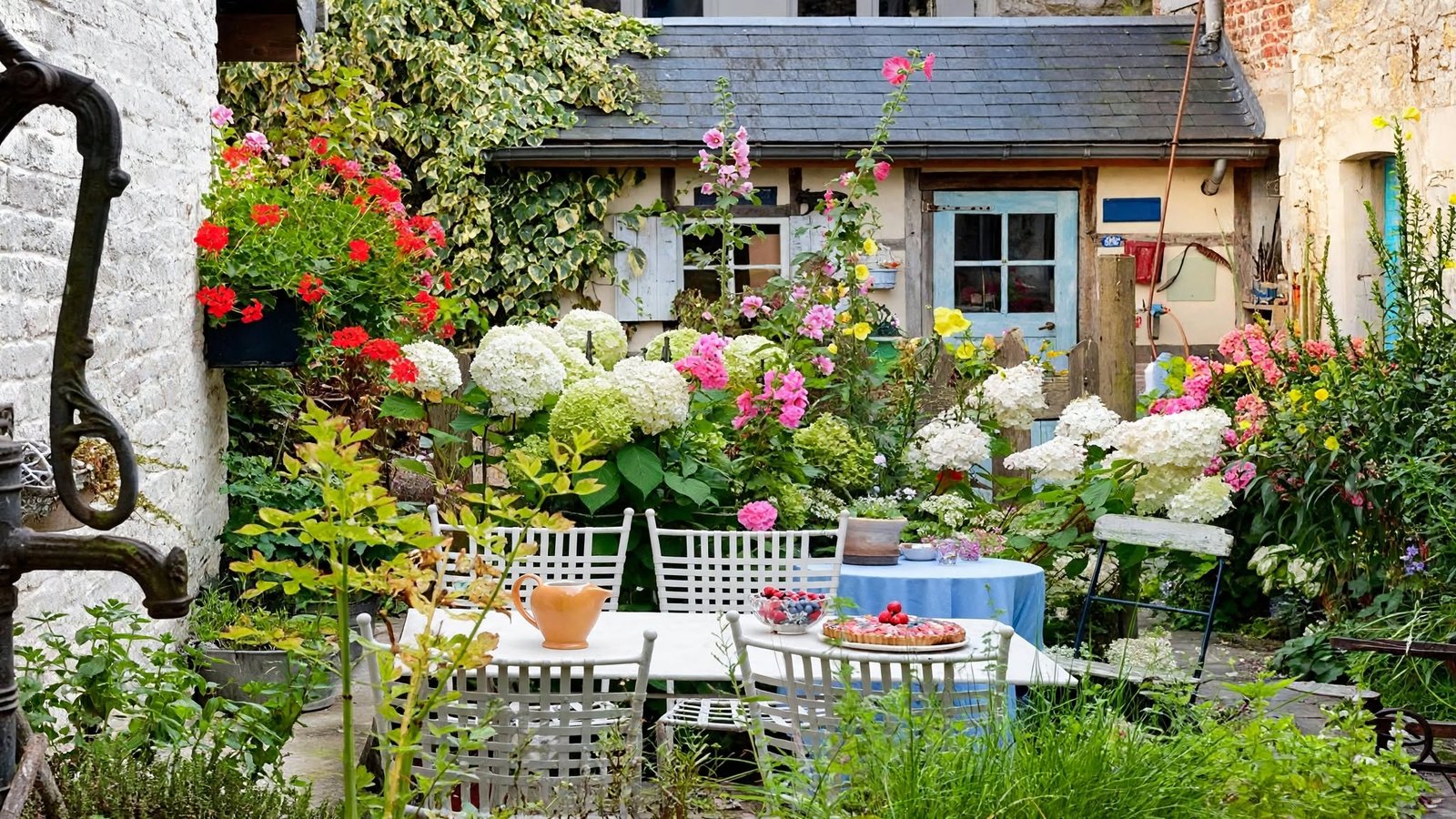
A cultivated garden offers much more than an attractive outdoor space. It creates an opportunity to grow fresh food, enjoy nature, improve your home’s appearance, and develop a healthier, more rewarding lifestyle. Whether you have a spacious backyard, a small courtyard, or a few containers on a balcony, cultivating plants can bring meaningful benefits to your daily routine.
The main benefits of a cultivated garden include improved mental well-being, access to fresh fruits and vegetables, enhanced outdoor beauty, support for local wildlife, and opportunities to save money on certain household gardening needs. With thoughtful planning and consistent care, a cultivated garden can become a valuable part of your home, providing enjoyment and practical advantages throughout the year.
What Is a Cultivated Garden?
A cultivated garden is an outdoor or indoor growing space where people deliberately plant, arrange, and care for flowers, vegetables, herbs, shrubs, or other plants. Unlike an unmanaged natural area, a cultivated garden receives regular attention to help plants grow in suitable conditions. This care may include preparing the soil, watering, pruning, removing weeds, adding compost, and protecting plants from pests and diseases.
Cultivated gardens can take many forms depending on available space, personal preferences, climate, and gardening goals. Some homeowners prefer colorful flower gardens that improve curb appeal, while others focus on vegetable beds, fragrant herb gardens, ornamental landscapes, or a combination of different plant types. The defining feature is not the garden’s size or style but the thoughtful care given to its plants and growing environment.
1. Improves Mental Health and Emotional Well-Being
One of the most valuable benefits of a cultivated garden is its positive influence on mental well-being. Spending time in a garden offers a refreshing escape from daily responsibilities, work-related stress, and the constant demands of digital devices. Gardening encourages people to slow down, pay attention to their surroundings, and focus on simple activities such as planting seeds, watering flowers, or observing new leaves.
These activities can create a calming routine that helps reduce everyday stress and promote relaxation. Watching a plant develop from a seedling into a mature flower or vegetable also provides a sense of accomplishment. Gardening cannot replace professional mental health support, but it can contribute to a healthier lifestyle by encouraging relaxation, regular physical activity, and more time spent in nature.
2. Provides Fresh Fruits, Vegetables, and Herbs
A cultivated garden gives households an easy way to grow their own food, making fresh ingredients more readily available for everyday meals. Tomatoes, green chilies, spinach, lettuce, coriander, mint, and seasonal herbs are popular choices because they can often be grown in relatively small spaces. Depending on the climate and available growing conditions, gardeners may also cultivate cucumbers, beans, peppers, strawberries, and other productive plants.
Homegrown produce can be harvested when it is ready to eat, offering freshness and greater control over how plants are grown. Gardeners can choose suitable soil amendments, manage watering carefully, and reduce the use of certain chemical products if they prefer a more natural approach. However, homegrown food still requires safe growing practices, clean water, suitable soil, and proper washing before consumption.
Growing food at home can also encourage healthier eating habits. When fresh vegetables and herbs are readily available, it may become easier to include them in everyday meals, experiment with new recipes, and appreciate the effort involved in producing food.
3. Enhances the Beauty and Value of Your Home
A well-maintained cultivated garden can transform the appearance of a home by adding color, texture, greenery, and visual interest. Flower beds near an entrance, neatly arranged shrubs along a walkway, climbing plants on a trellis, or containers beside a patio can make an ordinary outdoor area feel more welcoming. Even a small garden can create an attractive focal point when plants are arranged with attention to height, color, shape, and seasonal growth.
Garden design can also help connect indoor and outdoor living spaces. A comfortable seating area surrounded by greenery provides a pleasant place to enjoy morning tea, read a book, or spend time with family. Trees and appropriately placed shrubs may offer shade and privacy, while flowering plants can soften hard surfaces such as concrete paths, walls, and patios.
A beautiful garden may improve a property’s appeal to potential buyers, particularly when the landscaping is healthy, practical, and easy to maintain. However, an increase in property value is not guaranteed because results depend on local market conditions, the quality of the landscaping, and buyers’ preferences.
4. Encourages Physical Activity and an Active Lifestyle
Gardening provides a practical way to incorporate gentle physical activity into daily life. Tasks such as digging, planting, carrying watering cans, pruning, raking, and moving containers involve different types of movement. Depending on the task and its intensity, gardening can help improve mobility, coordination, endurance, and general physical activity levels.
Unlike some forms of exercise that require specialized equipment or a trip to a gym, gardening can be done at home with a few basic tools. It can also be adapted to different ability levels by choosing raised beds, lightweight containers, long-handled tools, or smaller planting areas. These adjustments make gardening more manageable for people who find prolonged bending, kneeling, or heavy lifting uncomfortable.
To garden safely, it is important to use proper lifting techniques, take regular breaks, drink enough water, and protect the skin from excessive sun exposure. Alternating between tasks can also reduce repetitive strain and make gardening more comfortable over time.
5. Supports Bees, Butterflies, and Other Beneficial Wildlife
A cultivated garden can provide valuable habitat for pollinators and other beneficial wildlife when it includes suitable plants and shelter. Flowers that produce nectar and pollen attract bees, butterflies, and other insects, while flowering herbs and native plants can provide food during different parts of the growing season. A garden with a variety of plant species generally offers more opportunities for wildlife than one dominated by a single ornamental plant.
Gardeners can strengthen these benefits by choosing plants suited to the local climate and including a mix of flowering periods. Native plants are often particularly useful because local insects and birds may already depend on them for food or habitat. Leaving a small, undisturbed area with appropriate ground cover, avoiding unnecessary pesticide use, and providing clean, shallow water can further support wildlife.
A garden can also become a place to observe natural relationships. Bees visiting blossoms, butterflies resting on leaves, and birds searching for insects offer everyday reminders of how plants and animals depend on one another. By creating a welcoming environment for these species, homeowners can contribute to local biodiversity even without owning a large property.
6. Helps Reduce Certain Household Expenses
A cultivated garden can help reduce some household expenses, particularly when it is used to grow frequently purchased herbs, vegetables, or flowers. A small supply of homegrown mint, coriander, chilies, or leafy greens may reduce the need to buy these ingredients as often. Gardeners can also propagate suitable plants from cuttings, divide established perennials, save certain seeds, and reuse clean containers to limit future spending.
Composting provides another potential advantage by turning suitable kitchen scraps and garden waste into a soil amendment. When managed correctly, compost can improve soil structure, support moisture retention, and reduce the amount of organic waste sent to landfill. Homemade compost can also reduce the need to purchase some soil-improving products, although its nutrient content varies according to the materials used.
However, gardening is not automatically cheaper than buying produce. Initial expenses may include tools, containers, seeds, seedlings, soil, irrigation equipment, and pest management supplies. The greatest savings are often achieved by starting small, growing plants that suit local conditions, reusing available materials safely, and choosing crops that the household regularly consumes.
7. Improves the Outdoor Environment
Plants influence the immediate environment around a home in several useful ways. Leaves provide shade, vegetation can help reduce the amount of bare soil exposed to wind and rain, and plant roots can contribute to soil stability. Trees and shrubs may also create more comfortable outdoor spaces by shading seating areas and reducing direct exposure to sunlight.
A cultivated garden can help manage rainfall when it includes permeable soil, mulched planting beds, and suitable areas where water can soak into the ground. These features may reduce runoff compared with extensive areas of impermeable paving, although the results depend on soil type, drainage, rainfall intensity, and garden design. Choosing plants that are well suited to the local climate can also reduce unnecessary watering and make the garden more resilient.
Plants can provide modest cooling through shade and the release of water vapor, particularly when several trees and shrubs are established together. A small garden will not dramatically change the wider climate, but thoughtful planting can improve comfort and environmental quality around the property.
8. Creates Opportunities for Family Bonding and Learning
A cultivated garden can become a shared space where family members spend time together and learn practical skills. Parents and children can plant seeds, water seedlings, observe insects, harvest vegetables, and discuss how weather and soil conditions affect plant growth. These simple activities introduce children to patience, responsibility, and the connection between food production and the natural environment.
Gardening also offers opportunities to develop problem-solving skills. When a plant’s leaves turn yellow or growth slows, gardeners can investigate possible causes such as inadequate light, excess water, nutrient deficiencies, or pest damage. Observing the results of different approaches encourages curiosity and helps both children and adults learn through experience.
For families with limited outdoor space, containers and small raised beds can provide the same sense of participation without requiring a large backyard. A few pots of herbs or fast-growing vegetables can be enough to establish a shared gardening routine that fits comfortably into everyday life.
9. Encourages Sustainable Living
Growing plants at home can support more sustainable habits when the garden is managed thoughtfully. Composting suitable organic waste, collecting rainwater where permitted and practical, using mulch, and choosing climate-appropriate plants can reduce resource consumption. Growing a modest amount of food at home may also reduce packaging and some shopping trips, although the overall environmental benefit depends on the materials, water, energy, and transport involved.
A sustainable cultivated garden does not need expensive equipment or complicated technology. Simple practices, such as watering the soil rather than the leaves when appropriate, grouping plants with similar water requirements, and using hand tools for small tasks, can help conserve resources. Avoiding unnecessary fertilizers and pesticides also protects soil organisms and reduces the risk of harmful runoff.
The key is to design a garden around local conditions instead of forcing plants to grow in an unsuitable environment. Selecting varieties that tolerate the local temperatures, rainfall patterns, and soil conditions generally makes gardening easier while reducing the need for constant intervention.
10. Provides a Peaceful Space for Relaxation and Socializing
A cultivated garden can serve as an extension of the home, offering a comfortable place to relax, entertain guests, or enjoy time alone. A simple bench beneath a tree, a small table surrounded by potted plants, or a shaded corner filled with fragrant flowers can make an outdoor area feel more inviting. The atmosphere can change throughout the day as sunlight shifts, flowers open, and birds or insects move among the plants.
Garden spaces can also be adapted for different activities. A vegetable garden may include a nearby seating area for breaks, while an ornamental garden might feature a winding path, a water feature, or a collection of seasonal flowers. The most successful design is one that matches how the household intends to use the space rather than simply following a particular landscaping trend.
Even a balcony or compact courtyard can become a peaceful retreat with a few suitable containers, comfortable seating, and plants that tolerate the available sunlight. The aim is to create an outdoor environment that feels enjoyable and practical without adding an unreasonable amount of maintenance.
How to Start a Cultivated Garden at Home
Starting a cultivated garden becomes easier when the project is divided into manageable steps. Begin by assessing the available space, the amount of sunlight it receives, the quality of the soil, and the accessibility of water. Most fruiting vegetables need several hours of direct sunlight, while some leafy greens, herbs, and ornamental plants can tolerate partial shade. Understanding these conditions before purchasing plants helps prevent common problems and reduces unnecessary spending.
Next, decide what you want your garden to provide. If fresh food is the priority, begin with a few vegetables or herbs that you use regularly. If appearance matters most, select flowering plants and shrubs with complementary colors and different blooming periods. You can also combine edible and ornamental plants to create a garden that is both productive and attractive.
Prepare the growing area by removing unwanted weeds, improving the soil when necessary, and ensuring that excess water can drain away. If the existing ground is unsuitable, containers or raised beds may be more practical. Choose a suitable potting medium for containers rather than assuming that ordinary garden soil will work well in every pot, and make sure each container has adequate drainage holes.
After planting, establish a consistent care routine that includes checking soil moisture, monitoring plant health, removing weeds, and pruning when necessary. Watering requirements vary with the plant species, soil, container size, temperature, and stage of growth, so avoid following a rigid schedule without checking conditions. Keeping brief notes about planting dates, watering, flowering, and harvests can help you understand what works best in your garden.
Common Mistakes to Avoid When Cultivating a Garden
One common mistake is choosing plants based on appearance alone without considering their growing requirements. A plant that thrives in cool weather may struggle in intense summer heat, while a sun-loving flower may produce little growth in a deeply shaded corner. Checking mature plant size, sunlight needs, temperature tolerance, and water requirements before planting can save considerable time and effort.
Overwatering is another frequent problem, especially in containers where poor drainage can leave roots sitting in saturated soil. Although plants need adequate moisture, constantly wet conditions can reduce oxygen around the roots and encourage root diseases. Check the soil before watering and make sure containers and planting beds drain appropriately.
Planting too closely together can also limit airflow, increase competition for light and nutrients, and make it more difficult to inspect plants for pests. Follow recommended spacing guidelines and allow room for mature growth. Finally, avoid expecting immediate results from every planting effort, because different plants establish, flower, and produce food at different rates.
Best Plants for a Low-Maintenance Cultivated Garden
Low-maintenance gardening begins with choosing plants that naturally suit the local climate and available growing conditions. In sunny locations, suitable choices may include marigolds, zinnias, selected native flowering plants, and drought-tolerant species adapted to the region. For edible gardens, mint, coriander, chilies, and other commonly used herbs may be practical options, provided their temperature, water, and sunlight needs are met.
Container gardeners should consider plant size, root development, drainage, and how frequently each container may need watering. Larger pots generally hold moisture longer than small ones, while lightweight containers can make rearranging plants easier. Mint is often best grown in its own container because it can spread aggressively when planted directly in garden beds.
Mulching exposed soil, grouping plants according to their water needs, and using compost where appropriate can further reduce maintenance. A low-maintenance garden still requires observation and occasional care, but the right plant choices can make those tasks more predictable and manageable.
How a Cultivated Garden Can Improve Your Daily Routine
A cultivated garden can add structure and enjoyment to an ordinary day. Spending a few minutes checking the plants in the morning or watering containers when the soil needs moisture creates a simple opportunity to step outside and notice changes in the environment. Over time, these small habits can make gardening feel like a natural part of daily life rather than a demanding extra responsibility.
Seasonal gardening also encourages people to pay attention to local weather, changing temperatures, rainfall, and the life cycles of plants. You may begin to recognize when a particular vegetable is ready for harvesting, when flowers need pruning, or when the garden would benefit from additional mulch. This growing familiarity can make routine care more efficient and help prevent small issues from becoming larger problems.
The benefits do not depend on producing a perfect garden or spending hours outdoors every day. A few healthy plants, a small harvest, or a quiet place to sit among greenery can be enough to make the experience worthwhile.
Conclusion
A cultivated garden can improve a home and lifestyle in many ways, from providing fresh produce and enhancing outdoor beauty to encouraging physical activity, supporting wildlife, and creating a peaceful place to relax. It can also offer opportunities for learning, family connection, and more responsible use of household resources. The benefits depend on how the garden is designed and maintained, but even a small growing space can make a meaningful difference.
The best approach is to begin with realistic goals, select plants suited to your local conditions, and build a manageable care routine. Whether you create a productive vegetable patch, a colorful flower bed, or a collection of container plants, cultivating a garden gives you an opportunity to connect with nature while making better use of the space around your home.
