



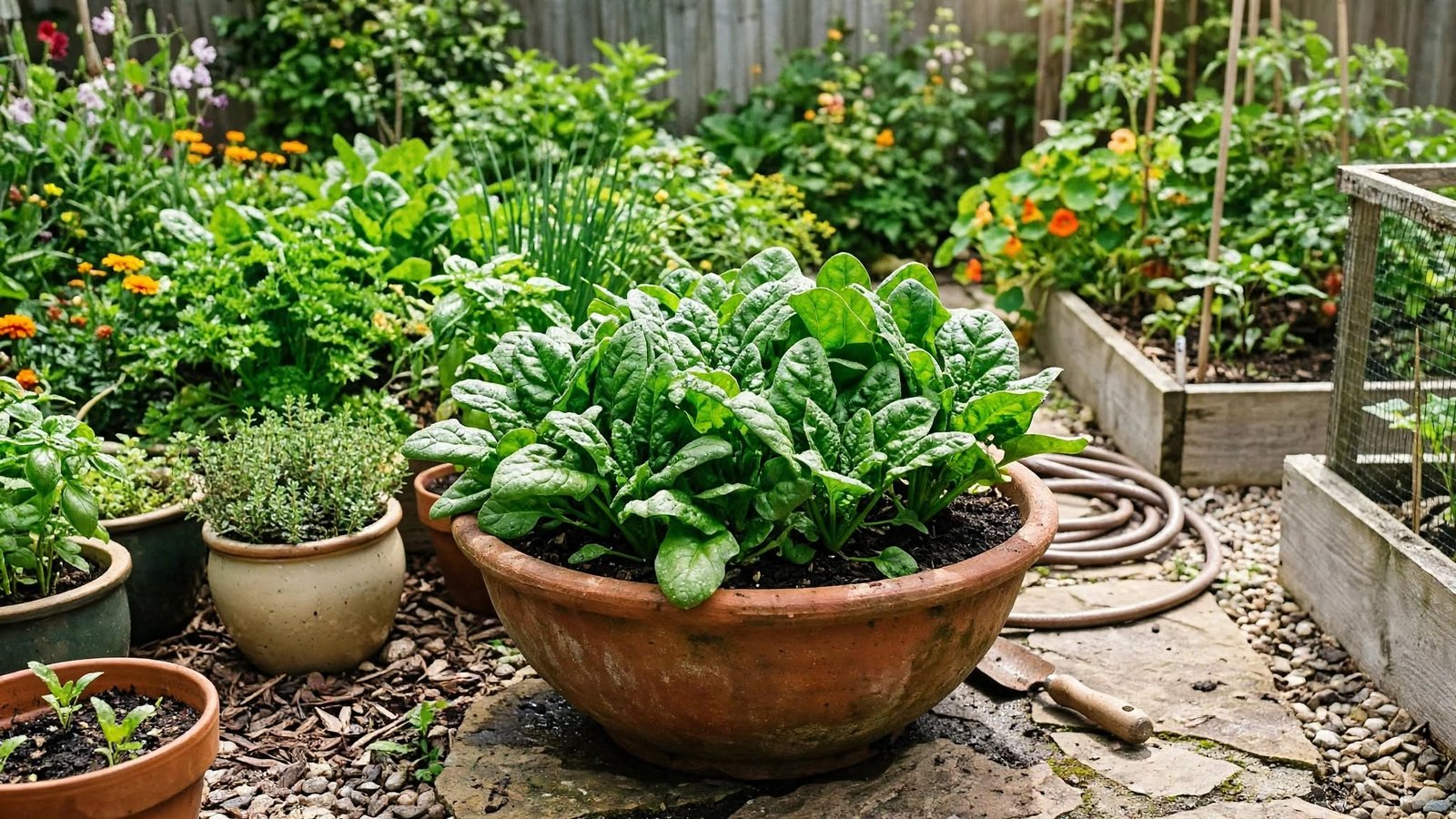
Growing spinach in pots year-round is a simple and rewarding way to enjoy fresh, nutritious leafy greens at home, even if you have limited garden space. With the right pot, suitable soil, regular watering, and careful attention to seasonal temperatures, you can grow healthy spinach on a balcony, patio, rooftop, windowsill, or small outdoor area.
The key to growing spinach successfully in containers is to provide cool growing conditions, consistent moisture, and enough sunlight without exposing the plants to excessive heat. By adjusting your planting schedule and care routine throughout the year, you can enjoy multiple harvests and keep your container garden productive across different seasons.
Why Grow Spinach in Pots at Home?
Spinach is an excellent choice for container gardening because it grows relatively quickly, requires little space, and produces tender leaves that can be harvested over several weeks. Unlike vegetables that need large planting beds, spinach can thrive in a moderately deep pot filled with good-quality potting mix, making it suitable for beginners and experienced gardeners alike.
Growing spinach at home also gives you greater control over the soil, watering, and growing environment. You can move containers to a cooler or sunnier location when necessary, protect plants from heavy rain or frost, and harvest fresh leaves whenever you need them for salads, soups, curries, smoothies, or cooked dishes.
Another advantage is that spinach can be planted in small batches rather than all at once. By sowing new seeds every two to three weeks during suitable growing weather, you can create a succession of plants at different stages of growth and enjoy a more continuous supply of fresh leaves.
Choose the Right Pot for Growing Spinach
Selecting the right container is one of the first steps toward growing healthy spinach. Choose a pot that is at least 6 to 8 inches deep, although a depth of 8 to 10 inches is preferable because it provides more room for root development and helps maintain consistent soil moisture. A container approximately 10 to 12 inches wide can accommodate several spinach plants, while a larger rectangular planter is useful if you want to grow enough leaves for regular family meals.
Drainage is essential when growing spinach in pots. Make sure the container has several drainage holes at the bottom so excess water can escape instead of collecting around the roots. Waterlogged soil can reduce root health and encourage fungal problems, particularly when temperatures are cool and the soil dries slowly.
Plastic pots are lightweight and retain moisture well, while terracotta containers allow more evaporation and may require more frequent watering. Fabric grow bags are another option, especially for rooftop and balcony gardens, but they can dry out quickly in hot, windy weather. Whatever type you choose, place the container where you can easily monitor moisture and move it when seasonal conditions change.
Select the Best Soil for Healthy Spinach Growth
Spinach grows best in fertile, loose, well-draining soil that holds enough moisture to support steady leaf development. Instead of using heavy garden soil alone, fill your container with a high-quality potting mix that combines coco coir or peat moss to retain moisture, compost to provide essential nutrients, and perlite to improve drainage and aeration.
A soil pH of approximately 6.0 to 7.0 is generally suitable for spinach. Soil that is too acidic can make certain nutrients less available, potentially causing poor growth or discolored leaves. If you prepare your own potting mix, use mature compost rather than fresh manure, which may contain excessive salts or nutrients and can damage young roots.
Before planting, mix the growing medium thoroughly and moisten it lightly. The soil should feel evenly damp without becoming muddy or compacted. Because spinach produces tender leaves relatively quickly, a nutrient-rich growing medium helps plants establish faster and develop the lush foliage that makes container-grown spinach so useful in the kitchen.
How to Plant Spinach Seeds in Pots
Growing spinach from seed is usually the easiest and most economical method. Spinach seeds can be sown directly into their final containers, avoiding the root disturbance that may occur when seedlings are transplanted.
Fill the pot with prepared potting mix, leaving about an inch of space below the rim for watering. Sow the seeds approximately half an inch deep and space them about 2 inches apart initially. Cover them lightly with soil and water gently using a watering can with a fine rose or a spray nozzle that will not wash the seeds out of position.
Spinach seeds typically sprout within 5 to 14 days when growing conditions are favorable, but extreme soil temperatures can delay germination. Keep the potting mix evenly moist without making it waterlogged. Once the seedlings develop their first true leaves, thin them out, leaving about 3 to 4 inches between the healthiest plants to give them enough room to grow, depending on the variety and your preferred leaf size.
If you prefer baby spinach, you can grow plants more closely together and harvest the young leaves early. For larger, mature leaves, provide more space so each plant has enough room to develop a healthy canopy.
How Much Sunlight Does Spinach Need?
Spinach grows best with approximately 4 to 6 hours of sunlight each day, although the ideal amount depends on the temperature and growing conditions. In cooler weather, a position that receives more direct sunlight can encourage faster growth and larger leaves. During warmer months, however, intense afternoon sunshine can overheat the soil, dry out the container, and encourage spinach to bolt.
Bolting occurs when a spinach plant begins producing a flower stalk instead of concentrating on leaf growth. It is commonly triggered by long days, rising temperatures, and other environmental stresses. Once bolting begins, the leaves may become smaller, tougher, or more bitter, reducing the quality of your harvest.
To manage sunlight throughout the year, place your pots in a sunny outdoor location during cool weather and move them to a spot with morning sunlight and afternoon shade when temperatures rise. If you grow spinach indoors, choose the brightest available window, preferably one that receives several hours of sunlight. A suitable full-spectrum grow light can help when natural light is insufficient, particularly during short winter days.
How to Grow Spinach in Pots During Spring
Spring is a productive season for spinach in regions where temperatures remain mild. The combination of comfortable weather, increasing daylight, and moderately cool soil encourages germination and leafy growth. Sow seeds as soon as local conditions are suitable, and continue planting small batches every two to three weeks while temperatures remain favorable.
During spring, check the potting mix regularly because sunny days and changing weather can cause moisture levels to fluctuate. Water when the upper layer begins to dry, making sure the root zone remains evenly moist. If the plants grow quickly, harvest the outer leaves periodically to encourage continued use of the crop before warmer weather triggers bolting.
In areas where spring becomes hot early, choose a location with afternoon shade and consider heat-tolerant spinach varieties. Planting early rather than waiting until temperatures rise can significantly improve the length and quality of the harvest.
How to Grow Spinach in Pots During Summer
Summer can be the most challenging season for spinach because many varieties prefer cool weather and struggle when temperatures remain high. Hot soil, intense sunlight, and longer days can cause plants to bolt before they produce a substantial quantity of leaves. In particularly hot climates, spinach may not grow reliably outdoors throughout the hottest part of summer, even with careful watering.
To give your plants the best chance, place the pots where they receive morning sun and afternoon shade. Light-colored containers can absorb less heat than dark ones, while grouping pots together can reduce the rate at which their potting mix dries. You can also use a shade cloth during intense heat, allowing air to circulate freely around the plants.
Watering becomes especially important during summer, but the goal is to keep the soil consistently moist rather than permanently saturated. Check containers in the morning and again later in the day during heatwaves, watering whenever the soil begins to dry. Avoid repeatedly wetting the foliage late in the evening, particularly where humidity is high, because prolonged leaf wetness can encourage disease.
If temperatures remain too high for spinach to grow well, consider pausing sowing until cooler weather returns. This is often more productive than continually planting seeds that struggle to establish. In the meantime, protect existing plants from heat and harvest usable leaves before bolting makes them less desirable.
How to Grow Spinach in Pots During Autumn
Autumn is often one of the best seasons for growing spinach in containers because temperatures begin to fall while the soil may still retain enough warmth for germination. In areas with hot summers, this is an excellent time to restart your spinach garden and enjoy fresh leaves as the weather becomes cooler.
Sow seeds in pots during the early part of the cool season, allowing enough time for the plants to establish before temperatures drop significantly. Keep the soil moist while seeds germinate, and provide adequate sunlight to encourage compact, healthy growth. As the days become shorter, growth may slow, so avoid overcrowding the plants or allowing taller neighboring plants to shade the containers.
Autumn-grown spinach can often produce a generous harvest because cool weather helps maintain leaf quality and delays bolting. If your region experiences mild winters, successive sowings during autumn may provide leaves well into the colder months.
How to Grow Spinach in Pots During Winter
Spinach can tolerate cool conditions and light frost better than many tender vegetables, although its cold tolerance depends on the variety, plant maturity, and growing environment. In mild-winter regions, pots placed in a sunny, sheltered location can continue producing leaves throughout much of the season.
During winter, place containers where they receive as much available sunlight as possible. Reduce watering compared with summer, since cooler temperatures and slower growth mean the potting mix takes longer to dry. Always check the soil before watering, and make sure drainage holes remain unobstructed.
In areas with freezing temperatures, move pots close to a protected wall, into an unheated greenhouse, or to another sheltered location when severe cold is expected. Containers can become colder than garden soil because their roots are exposed on the sides as well as from above. Wrapping the outside of a pot or placing it in a sheltered group can help reduce temperature fluctuations, but prolonged hard freezes may still damage plants.
For indoor winter growing, place spinach near a bright window or use a grow light to compensate for shorter days. Maintain good airflow and avoid positioning plants directly beside heating vents, which can dry the leaves and potting mix. With adequate light and suitable temperatures, spinach can continue growing, although the time between sowing and harvesting may be longer than in spring or autumn.
Watering Spinach in Pots the Right Way
Consistent watering is essential because spinach has relatively shallow roots and responds poorly to repeated drying out. When the potting mix becomes too dry, plants may wilt, grow slowly, or develop tougher leaves. On the other hand, excessive watering can deprive the roots of oxygen and encourage root diseases.
Check the moisture level by touching the top inch of the soil. If it feels dry, water slowly until excess moisture begins draining from the bottom of the pot. During warm weather, containers may need watering every day, while cool or cloudy conditions may require much less frequent watering. Use the soil’s moisture level rather than a fixed schedule as your main guide.
Watering in the morning is generally a good practice because it allows plants to access moisture before the hottest part of the day. It also gives any accidentally wetted foliage time to dry. Avoid letting containers sit in saucers full of water for long periods, as this can keep the roots excessively wet.
Fertilizing Spinach for Lush, Green Leaves
Spinach needs an adequate supply of nutrients to produce healthy foliage, but excessive fertilization can create problems. Before planting, incorporate a moderate amount of mature compost into the potting mix to provide organic matter and support steady growth. If your potting mix already contains fertilizer, check the label before adding more.
As plants establish, you can use a balanced, water-soluble fertilizer at the rate recommended on its packaging if growth appears slow or the growing medium is low in nutrients. A fertilizer containing nitrogen helps support leaf development, but too much nitrogen can cause excessive soft growth and may contribute to nutrient imbalances. Avoid applying concentrated fertilizer directly to seedlings or dry soil.
Yellowing leaves can sometimes indicate a nutrient deficiency, but they may also result from overwatering, poor drainage, or unsuitable temperatures. Check the plant’s growing conditions before assuming fertilizer is needed. A healthy spinach plant should generally have firm, green leaves and steady growth without excessive stretching or discoloration.
How to Care for Spinach Plants as They Grow
Regular observation helps you identify small problems before they affect the entire crop. Remove damaged, yellowing, or diseased leaves when necessary, and keep the soil surface free from decaying plant material. If seedlings become crowded, thin them promptly to improve airflow and allow the remaining plants to develop properly.
Spinach generally prefers moderate temperatures and consistent conditions, so avoid moving pots repeatedly between extremely hot and cold locations. If strong winds are common on your balcony or rooftop, place the containers in a sheltered area where the leaves will not dry out too quickly or become damaged.
Inspect the undersides of leaves occasionally for aphids, leaf miners, and other pests. Aphids can often be removed with a gentle stream of water, while badly affected leaves should be removed and discarded. If leaf miners appear, remove affected foliage where practical and monitor the plants for further damage. Use any pest-control product only if it is labeled for edible crops, following its instructions and harvest intervals carefully.
Common Problems When Growing Spinach in Pots
One common problem is premature bolting, which usually occurs when spinach experiences excessive heat, long days, or other environmental stress. Once a plant begins sending up a flower stalk, harvest the remaining suitable leaves and plan the next sowing for a cooler period. Choosing a suitable variety and providing afternoon shade can reduce the risk, although no variety is completely immune to unfavorable conditions.
Yellow leaves and weak growth may result from poor drainage, inconsistent watering, nutrient deficiencies, or insufficient light. Examine the soil before making changes to fertilizer or watering, because adding more nutrients will not solve a problem caused by waterlogged roots. If the potting mix remains soggy for several days, check the drainage holes and consider improving the growing medium.
Poor germination is another frequent issue. Spinach seeds may germinate slowly or unevenly when the soil is too hot, too dry, or excessively wet. Sow fresh seeds at the correct depth, maintain even moisture, and avoid placing containers in locations where the soil temperature rises sharply during the day.
Fungal leaf diseases can develop when foliage stays wet for long periods or air circulation is poor. Give plants adequate spacing, water near the soil surface, and remove infected leaves promptly. Starting with clean containers and fresh potting mix can also help reduce disease problems.
When and How to Harvest Spinach from Pots
Spinach can often be harvested approximately 30 to 45 days after sowing, although baby leaves may be ready sooner and full-sized leaves may take longer depending on the variety, temperature, and available light. The best time to harvest is when the plants have developed several healthy leaves and the foliage is large enough for your intended use.
For a continuing harvest, pick the larger outer leaves first and leave the central growing point intact. This allows the plant to produce additional leaves over time. Use clean scissors or pinch the leaves gently near their base, taking care not to pull out the entire plant unless you want to harvest it completely.
Avoid removing too many leaves from a small plant at once, as it needs sufficient foliage to continue growing. Harvesting in the cooler part of the day can help keep the leaves fresh, and placing them in a clean container immediately after picking reduces handling damage. Wash the leaves thoroughly before eating and store any unused spinach in the refrigerator.
If a plant begins bolting, harvest the remaining tender leaves before they become tough or bitter. Rather than waiting for an exhausted plant to recover, sow another batch of seeds when conditions are favorable to maintain a steady supply.
How to Grow Spinach in Pots Year-Round in Hot Climates
In hot climates, year-round spinach production requires more careful timing than it does in regions with mild summers. The most productive approach is to concentrate sowing during the cooler months, protect plants during brief warm spells, and accept that extreme summer heat may create a temporary gap in production.
Choose varieties suited to warm conditions, but remember that heat tolerance does not mean a plant will thrive in prolonged extreme temperatures. Use larger containers when possible, because a greater volume of potting mix generally changes temperature and moisture levels more slowly than a very small pot. Provide morning sunlight, afternoon shade, and regular moisture without waterlogging the roots.
Where outdoor temperatures remain too high, consider growing spinach in a cooler, well-lit protected space if one is available. A shaded rooftop corner, ventilated greenhouse, or bright indoor area may provide better conditions than an exposed balcony. In very hot weather, pausing spinach production and restarting it when temperatures fall can be the most practical way to maintain a healthy container garden.
For gardeners in regions with hot summers and mild winters, autumn, winter, and early spring will often provide the most reliable harvests. Adjusting the sowing calendar to local temperatures is more effective than following a fixed planting date throughout the year.
Tips for Getting More Spinach from a Small Container Garden
You can increase your total harvest by planting seeds in succession instead of filling every pot at the same time. Sow a small batch every two to three weeks during favorable weather, and use containers of different sizes to make the best use of available space. This approach helps ensure that young plants are ready to replace older plants as their productivity declines.
Choose varieties according to how you intend to use the leaves. Some varieties are suitable for tender baby spinach, while others produce larger leaves for cooking. Read the seed packet for information about maturity, seasonal suitability, and recommended spacing, since these characteristics can vary considerably between varieties.
Keep a simple record of sowing dates, germination times, watering needs, and harvests. Over time, these notes will help you identify which planting periods work best in your area and which locations provide the most suitable balance of sunlight and shade. Even a small collection of pots can produce a useful supply of fresh greens when planting and harvesting are planned around the seasons.
Frequently Asked Questions About Growing Spinach in Pots
Can spinach grow in pots all year?
Yes, spinach can be grown in pots throughout much of the year when temperatures, sunlight, and watering are suitable. However, continuous outdoor production may not be possible in regions with extreme summer heat or severe winter freezes. Planting during cooler seasons and protecting containers from temperature extremes usually produces the best results.
How deep should a pot be for spinach?
A pot that is at least 6 to 8 inches deep can support spinach, while an 8- to 10-inch-deep container provides additional room for roots and moisture retention. The pot should also have adequate drainage holes and enough surface area to accommodate the number of plants you want to grow.
How long does spinach take to grow in pots?
Spinach usually begins germinating within 5 to 14 days and may produce harvestable leaves in approximately 30 to 45 days. Baby leaves can be picked earlier, while mature leaves may require more time, especially during cool weather or periods of limited sunlight.
Does spinach need full sun or shade?
Spinach benefits from several hours of sunlight each day, particularly during cool weather. In hot conditions, morning sun and afternoon shade can help prevent overheating, reduce moisture loss, and delay bolting.
How often should I water spinach in pots?
Water whenever the upper layer of the potting mix begins to dry, keeping the root zone consistently moist without making it waterlogged. Small containers may need daily watering in hot weather, whereas larger pots may stay moist for longer during cool conditions.
Can spinach grow indoors?
Yes, spinach can grow indoors if it receives enough light and remains in a suitable temperature range. Place the pot near a bright window or provide a grow light, use a well-draining potting mix, and avoid locations that become excessively hot or dry.
Can I harvest spinach more than once?
Yes, spinach can produce multiple harvests when you pick the larger outer leaves and leave the central growing point intact. Continue watering and caring for the plant, but start a new batch of seeds when older plants begin to bolt or lose productivity.
Final Thoughts
Growing spinach in pots year-round is achievable when you choose the right container, prepare fertile soil, maintain consistent moisture, and adjust sunlight and protection according to the season. The most important factor is temperature: spinach generally produces its best leaves in cool weather, while excessive heat can shorten the harvest and encourage bolting.
Start with a small pot or planter, sow a few seeds, and observe how your plants respond to the conditions in your home or garden. By planting successive batches during favorable weather and adapting your care routine throughout the year, you can enjoy fresh spinach leaves without needing a large garden or complicated equipment.

1 Comment
Pingback: Best Soil for Container Vegetables: Common Soil Mistakes That Can Hurt Your Plants