



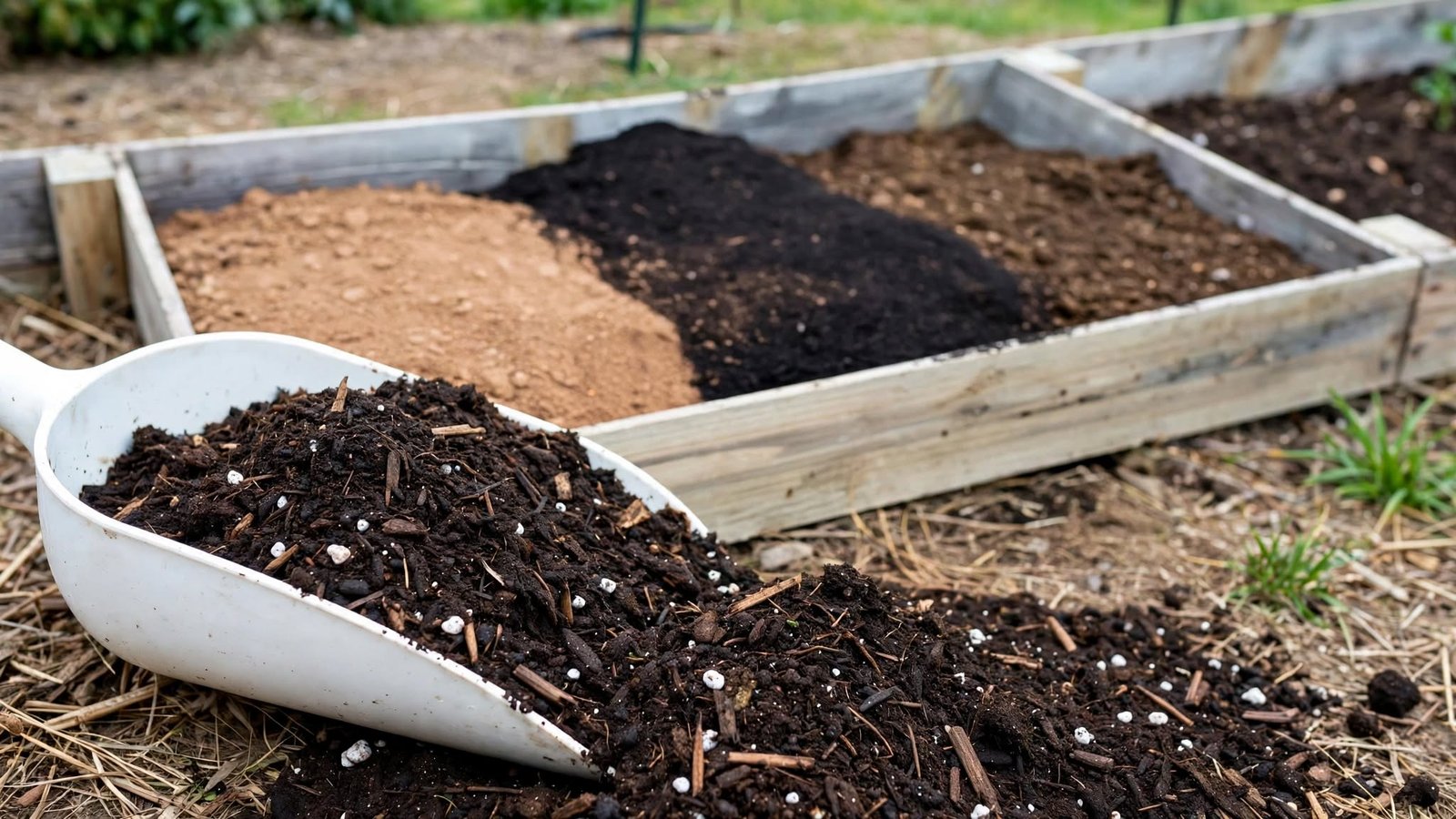
The best soil for container vegetables is a lightweight, well-draining potting mix that holds enough moisture to keep roots hydrated while allowing excess water and air to move freely. A high-quality mix usually contains coco coir or peat moss for moisture retention, perlite or pumice for drainage and aeration, and mature compost for nutrients. This combination creates a healthy root environment that helps vegetables grow stronger, produce more flowers, and develop a better harvest.
Unlike plants growing directly in the ground, container vegetables depend entirely on the growing medium inside their pots. Their roots have limited space to spread, and water cannot drain as freely as it does in open soil. Choosing the right mix is therefore essential, whether you are growing tomatoes on a balcony, peppers on a patio, lettuce in window boxes, or cucumbers in large containers.
However, even gardeners who choose good-quality potting soil can run into problems when they make common soil mistakes. Using heavy garden soil, adding too much compost, ignoring drainage, or allowing the growing medium to become compacted can weaken plants and reduce vegetable production. Understanding these mistakes will help you create better growing conditions and avoid problems before they affect your harvest.
Mistake 1: Using Ordinary Garden Soil in Containers
One of the most common mistakes when growing vegetables in pots is filling containers with ordinary garden soil. Garden soil may appear rich and healthy outdoors, but it often becomes too dense when placed inside a container. Without the open structure of the ground, the soil can compact, restricting airflow and making it harder for roots to absorb water and nutrients properly.
Heavy soil also tends to drain slowly, especially when it contains a high percentage of clay. Water may remain around the roots for too long, increasing the risk of root rot and other moisture-related problems. In addition, garden soil can introduce weed seeds, insect pests, and soilborne diseases into your containers.
A better choice is a quality potting mix specifically designed for container plants. These mixes are lighter and generally provide better drainage and aeration than untreated garden soil. If you want to reuse soil from your garden, avoid using it alone; instead, use a properly formulated container-growing blend that maintains a loose structure and drains well.
Mistake 2: Choosing Soil That Holds Too Much Water
Vegetables need consistent moisture, but their roots also require oxygen. Soil that remains soggy for long periods can deprive roots of oxygen, causing them to weaken, turn brown, and eventually rot. Plants affected by poor drainage may develop yellow leaves, drooping stems, slow growth, or a general appearance of wilting even when the soil is wet.
The problem often starts with a growing medium that contains too many fine particles or breaks down easily over time. Some inexpensive soil products become dense after repeated watering, while overly moisture-retentive mixes can be difficult to manage during rainy weather. Large containers without adequate drainage can make the situation even worse.
To prevent this problem, choose a potting mix that retains moisture without becoming waterlogged. Perlite and pumice can help create air spaces within the mix, while coco coir or peat moss helps maintain a useful level of moisture. Water your vegetables when the top layer begins to dry and adjust your routine according to the weather, container size, and type of vegetable you are growing.
Mistake 3: Ignoring Drainage Holes in Vegetable Pots
Even the best soil for container vegetables cannot perform properly if excess water has nowhere to go. Containers without drainage holes allow water to collect at the bottom, leaving roots exposed to prolonged moisture. This can cause root damage, encourage fungal problems, and make it difficult to determine when your plants actually need watering.
Some gardeners place stones, gravel, or broken pottery at the bottom of a container in an attempt to improve drainage. However, this does not solve the problem of a pot without drainage holes. A layer of coarse material can also leave the saturated soil sitting higher in the container rather than improving the drainage of the entire growing medium.
Always choose containers with sufficient drainage holes, and make sure those holes are not blocked by a solid surface or tightly packed material. If you use a saucer beneath the pot, empty any collected water rather than allowing the container to stand in it for extended periods. Proper drainage works together with the right potting mix to keep roots healthy and productive.
Mistake 4: Adding Too Much Compost to the Soil Mix
Compost is valuable for container vegetables because it contributes organic matter and nutrients while supporting beneficial soil organisms. Nevertheless, adding too much compost can create problems. A mix containing excessive compost may retain too much water, settle as it decomposes, or contain more soluble salts and nutrients than young plants can tolerate.
The quality of compost also matters. Immature compost may continue decomposing inside the pot, potentially affecting nutrient availability and root health. Compost made from unsuitable materials or poorly managed waste may introduce unwanted contaminants, so it is important to use a mature, well-finished product.
For many home container gardens, a practical starting point is to combine approximately three parts quality potting mix with one part mature compost by volume. This is a general guideline rather than a universal formula, since commercial mixes and compost products vary. Observe how the finished blend drains and retains moisture, and avoid adding extra compost simply because you want faster growth.
Mistake 5: Forgetting About Soil Nutrients
Container vegetables have limited access to nutrients because their roots cannot explore a large area of ground. Each time you water, some nutrients may also move out through the drainage holes. As plants grow, they use nutrients to develop leaves, roots, flowers, and fruits, which means the original potting mix may not provide everything they need throughout the growing season.
A mix can look dark, loose, and healthy while still lacking essential nutrients. Nitrogen supports leafy growth, phosphorus contributes to root development and reproductive growth, and potassium plays an important role in water regulation and overall plant function. Vegetables also need smaller amounts of other nutrients, including calcium, magnesium, and iron.
Start with a quality potting mix that contains a suitable starter fertilizer or blend it with mature compost. Then follow the instructions for a fertilizer appropriate for the vegetable you are growing. Fruiting plants such as tomatoes, peppers, and eggplants may have different feeding needs from leafy crops such as lettuce and spinach. Avoid applying extra fertilizer without a reason, because excessive nutrients can damage roots, encourage unbalanced growth, or accumulate as salts in the container.
Mistake 6: Making the Soil Too Dense by Compressing It
When filling a container, some gardeners press the soil firmly to make room for more plants or prevent the mix from settling. Unfortunately, excessive compression removes the air spaces that roots need for healthy development. Dense soil can also slow drainage and make it harder for new roots to spread throughout the pot.
This problem is particularly common when using fine-textured soil, old potting mix that has broken down, or blends containing too much garden soil. Once the growing medium becomes compacted, water may either remain trapped in some areas or flow unevenly through cracks, leaving other areas unexpectedly dry.
Fill containers with a loose, evenly distributed potting mix and gently settle it around the roots when transplanting seedlings. There is no need to press the soil down hard. Leave enough space near the rim for watering, and avoid repeatedly walking on, squeezing, or forcefully packing the growing medium. A stable but airy mix provides a better balance between moisture retention and oxygen supply.
Mistake 7: Using the Same Soil Mix for Every Vegetable
Although many vegetables grow well in a general-purpose potting mix, not every crop has identical growing requirements. Leafy vegetables, root crops, and fruiting plants can differ in their preferred moisture levels, nutrient demands, and container depth. Treating every vegetable exactly the same may not prevent growth, but it can make it harder to achieve the best results.
For example, lettuce and spinach generally benefit from evenly moist soil that does not dry out too quickly. Tomatoes and peppers need a mix that provides reliable moisture while draining efficiently, particularly when they are producing fruit. Carrots grown in containers need a deep, loose, relatively stone-free medium that allows their roots to develop without obstruction.
Instead of buying a completely different soil product for every crop, begin with a dependable all-purpose potting mix and make adjustments when necessary. Choose deeper containers for vegetables with extensive root systems, and pay attention to how quickly each crop uses water. Matching the growing medium to the plant’s needs can improve growth without making container gardening unnecessarily complicated.
Mistake 8: Reusing Old Potting Soil Without Refreshing It
Reusing potting soil can save money and reduce waste, but using old soil without checking its condition is a common mistake. After a growing season, the mix may contain fewer available nutrients, have a denser structure, or accumulate fertilizer salts from repeated feeding. If the previous plants suffered from root diseases or serious pest problems, the old medium may also carry organisms that threaten a new crop.
Old potting mix is not automatically unsuitable for future planting. If it remains loose, drains properly, and comes from healthy plants, it can often be reused after being refreshed. Remove old roots, stems, and other plant debris, then assess whether the mix has become compacted or develops an unusual odor. Do not reuse suspect soil for susceptible crops when serious soilborne disease has occurred.
To refresh suitable used potting mix, combine it with fresh potting medium and add a moderate amount of mature compost if needed. Check the fertilizer requirements of the next crop and avoid adding large quantities of amendments without knowing what the soil already contains. For plants affected by severe root disease, replacing the mix is often the safer option.
Mistake 9: Using Soil That Is Too Acidic or Too Alkaline
Soil pH affects how easily vegetables can absorb nutrients. Even when essential nutrients are present, an unsuitable pH can make some of them less available to plant roots. This may lead to poor growth, yellowing leaves, or other deficiency-like symptoms that do not improve simply by adding more fertilizer.
Most common container vegetables grow well in a slightly acidic to nearly neutral growing medium, generally around pH 6.0 to 7.0. However, the ideal range varies somewhat by crop, and the pH of a finished potting mix depends on its ingredients, fertilizers, irrigation water, and previous use. Adding garden soil, lime, wood ash, or other amendments without checking the mix can shift its pH unnecessarily.
If your plants show persistent nutrient-related symptoms, consider testing the growing medium before making major adjustments. Use a suitable soil or growing-media test and follow recommendations based on the results. Avoid adding lime to every pot automatically, and do not use wood ash as a routine soil amendment because it can raise pH and increase soluble salt levels.
Mistake 10: Watering on a Fixed Schedule Instead of Checking the Soil
Even a well-balanced potting mix can cause problems when watering does not match the plant’s needs. Watering every day without checking moisture levels may leave the roots too wet, especially during cool or cloudy weather. On the other hand, watering too infrequently can allow the growing medium to dry out so much that plants wilt and struggle to absorb water again.
Container moisture changes with temperature, wind, sunlight, pot size, plant maturity, and the material used to make the container. A small pot on a hot balcony may dry out much faster than a large container in partial shade. Plants growing rapidly or producing fruit can also use more water than young seedlings.
Check the moisture in the upper part of the growing medium and, when possible, feel the soil a little deeper before watering. Water thoroughly until excess water drains from the bottom, then allow the mix to lose some moisture before watering again according to the needs of the crop. During very hot weather, daily checks may be necessary, but the correct watering frequency should depend on actual conditions rather than a rigid schedule.
How to Make the Best Soil Mix for Container Vegetables
A good homemade container mix should be lightweight, moisture-retentive, well-aerated, and capable of supplying or holding nutrients. You do not need a complicated collection of ingredients to achieve these qualities. A few suitable materials, measured in consistent proportions, can produce an effective growing medium for many common vegetables.
For a simple starting formula, combine two parts quality potting mix or coco coir-based growing medium, one part perlite or pumice, and one part mature compost by volume. If you begin with a commercial potting mix that already contains plenty of compost, fertilizer, or drainage material, adjust the proportions rather than adding everything automatically. The aim is to produce a loose mix that holds moisture without staying saturated.
Coco coir helps retain water and can be a useful alternative to peat-based products, while perlite and pumice improve aeration. Mature compost contributes organic matter and some nutrients, although its nutrient content varies. If using plain coco coir rather than a nutrient-enriched potting mix, remember that it usually needs a suitable nutrient program to support vegetable growth.
Mix the ingredients thoroughly before filling your containers. Moisten the blend lightly so it is evenly damp but not soggy, then fill the pots without compacting the material. For edible crops, choose clean ingredients intended for gardening and avoid materials of uncertain origin that may contain contaminants.
Best Soil for Different Types of Container Vegetables
Tomatoes and Peppers
Tomatoes and peppers perform well in a fertile, well-draining potting mix that retains enough water to prevent frequent severe drying. These crops often remain in the same container for an entire growing season, so the medium needs to maintain its structure and provide dependable access to nutrients. Use appropriately sized containers and supplement the initial mix with fertilizer as needed.
Lettuce and Leafy Greens
Lettuce, spinach, and other leafy greens benefit from a mix that stays evenly moist without becoming waterlogged. Because these crops often have relatively shallow root systems, they can grow successfully in suitable window boxes and medium-depth containers. Monitor moisture carefully in hot weather, when shallow pots can dry out quickly.
Carrots and Radishes
Carrots and radishes need a loose, relatively fine growing medium that allows roots to expand easily. Avoid heavy garden soil, large pieces of undecomposed organic matter, and compacted mixtures that can obstruct root development. Choose a container deep enough for the particular variety, especially when growing longer carrots.
Cucumbers and Beans
Cucumbers and many types of beans grow best in an airy, reasonably fertile mix that provides consistent moisture. Cucumbers can use substantial amounts of water during active growth, while beans generally benefit from balanced nutrition rather than excessive nitrogen. Ensure that the containers drain freely and provide adequate space for the plants’ root systems.
How to Tell Whether Your Container Soil Is Healthy
Healthy potting soil should feel relatively light and crumbly rather than hard, sticky, or heavily compacted. When watered, it should absorb moisture reasonably evenly, retain some dampness, and allow excess water to escape through the drainage holes. A normal earthy smell is expected, while a persistent sour or rotten odor may indicate poor aeration or prolonged waterlogging.
Your plants can also provide useful clues about the condition of the growing medium. Consistent growth, healthy new leaves, strong roots, and normal flowering are encouraging signs. Yellowing leaves, stunted growth, repeated wilting despite wet soil, or a white crust of accumulated salts on the surface may suggest that the mix, watering routine, or fertilizer program needs attention.
Do not assume that every yellow leaf means the soil is bad. Overwatering, underwatering, pests, temperature stress, and nutrient imbalances can produce similar symptoms. Check several factors together before changing the growing medium or adding fertilizer.
Should You Add Sand to Container Vegetable Soil?
Adding sand is not always the best way to improve drainage. Fine sand mixed with a heavy, clay-rich soil can fill existing air spaces and create a denser material rather than a lighter one. Even when sand is suitable for a particular mix, the amount and particle size matter.
For most home container vegetables, perlite or pumice is a more practical choice for improving aeration in a potting mix. These materials are lightweight and help create spaces through which air and excess water can move. If your current soil is already too heavy, replacing part of it with a suitable potting medium may work better than trying to correct it with a small amount of sand.
Final Thoughts on Choosing the Best Soil for Container Vegetables
The best soil for container vegetables is not necessarily the darkest, richest, or most expensive option. It is the growing medium that balances moisture retention, drainage, aeration, and nutrient availability while supporting the needs of the vegetables you want to grow.
Avoid the most damaging mistakes by choosing a suitable potting mix, providing drainage holes, using compost in moderation, maintaining balanced nutrition, and checking moisture before watering. Refresh old soil carefully, avoid unnecessary pH adjustments, and select containers that provide enough room for roots to develop.
With the right growing medium and a little attention throughout the season, you can grow healthy vegetables in pots, buckets, raised containers, and balcony planters. Good soil gives your plants a strong foundation, making container gardening easier to manage and helping you enjoy a more reliable harvest.

1 Comment
Pingback: How to Propagate Spider Plant from Babies for Healthy, Thriving Plants