



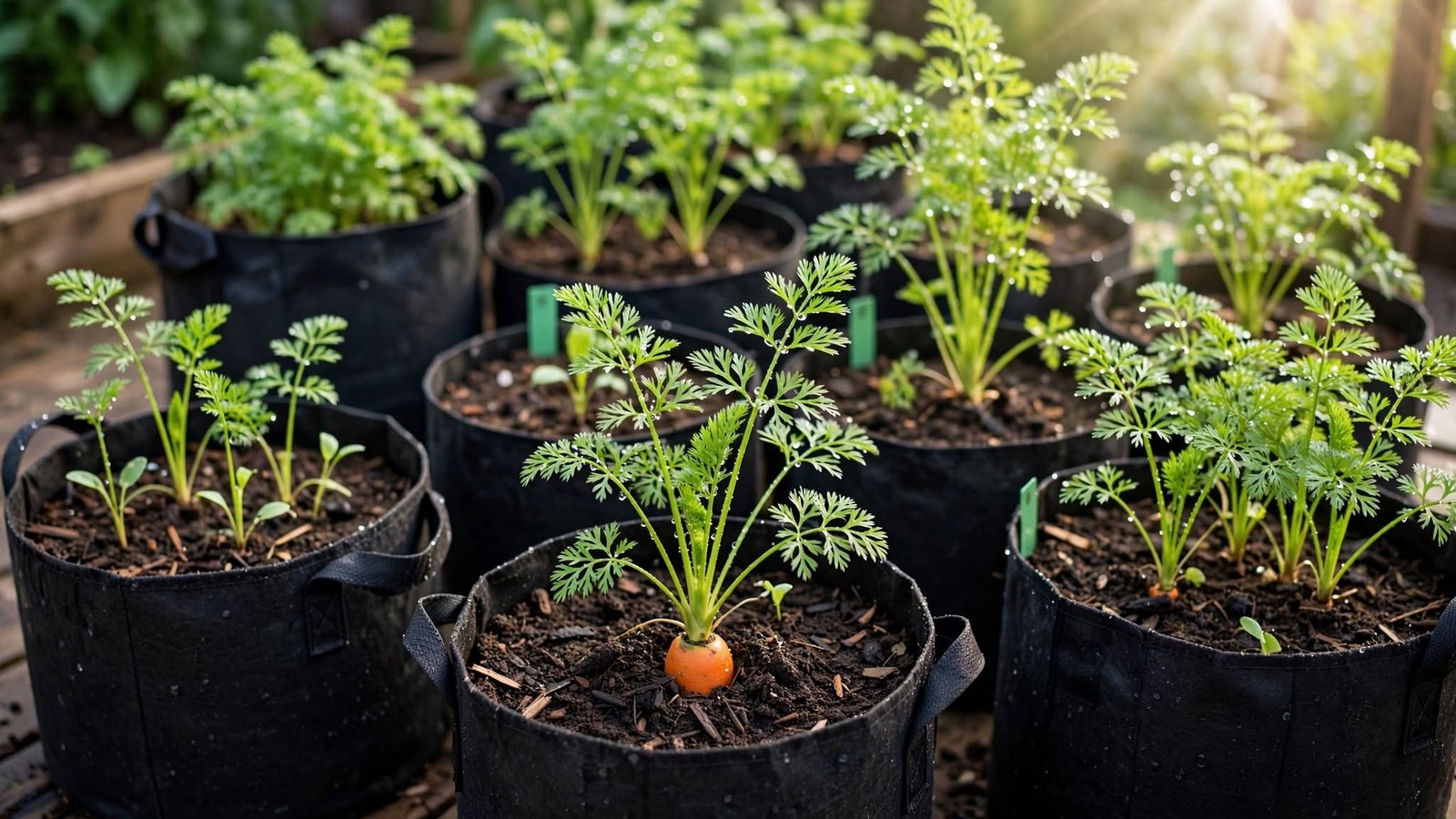
The best soil for container vegetables is a high-quality potting mix that holds moisture, drains excess water, and gives roots plenty of room to breathe. Whether you’re growing tomatoes on a sunny patio, peppers on a deck, or lettuce in a small apartment balcony garden, the right growing medium can help you grow healthier plants and enjoy a more productive harvest.
Unlike vegetables planted directly in the ground, container vegetables depend entirely on the soil inside their pots for water, oxygen, and nutrients. Ordinary backyard soil often becomes too compacted in containers, making it harder for roots to grow and increasing the risk of drainage problems.
The good news is that you don’t need an expensive specialty product to get started. With a reliable potting mix, a few quality ingredients, and the right care routine, you can create an excellent growing environment for vegetables in almost any part of the United States.
Why Choosing the Right Soil Matters for Container Vegetables
Container gardening gives you the flexibility to grow fresh vegetables in backyards, patios, porches, balconies, and even small urban spaces. However, growing vegetables in pots creates different challenges than planting them in an in-ground garden.
A container has a limited amount of growing medium, which means roots cannot spread out to search for additional moisture or nutrients. Water can also evaporate quickly during hot weather, while frequent watering gradually washes some nutrients out through the drainage holes.
A good potting mix helps manage these challenges by balancing water retention, drainage, and airflow. It should stay moist enough to support steady growth without becoming soggy or restricting oxygen around the roots.
The right soil also makes everyday gardening easier. When your growing medium has a suitable structure, you can water more consistently, manage fertilizer more effectively, and give your vegetables a stronger foundation for producing flowers, fruits, and healthy leaves.
1. Choose a Quality Potting Mix Instead of Backyard Soil
One of the biggest mistakes new container gardeners make is filling their pots with soil dug directly from the yard. Although backyard soil may grow vegetables successfully in garden beds, it usually isn’t the best choice for containers.
Garden soil can contain clay, compacted particles, weed seeds, insects, or disease-causing organisms. Inside a pot, it may become dense and heavy, reducing the air spaces that vegetable roots need to function properly.
Instead, look for a bag labeled potting mix, container mix, or vegetable potting mix at a garden center, home improvement store, or nursery. These products are generally designed to remain lighter and more porous than ordinary topsoil.
Many quality potting mixes contain ingredients such as peat moss, coconut coir, perlite, vermiculite, or composted bark.Each ingredient plays a specific role, from holding moisture and improving drainage to creating the ideal conditions for strong, healthy roots.
Before buying a product, read the label carefully. Some mixes already contain fertilizer, compost, or moisture-retaining ingredients, while others are designed to be amended before planting. Choosing a mix suited to container gardening will usually save you time and reduce common growing problems.
2. Find the Right Balance Between Moisture and Drainage
Successful container gardening depends on keeping the growing medium moist without allowing water to accumulate around the roots. Vegetables need a steady supply of water, but their roots also require oxygen to remain healthy.
If the mix dries out too quickly, plants may wilt during the afternoon, flowers may drop, and developing fruits can suffer from inconsistent moisture. When the soil stays too wet for too long, roots can struggle to get enough oxygen, increasing the risk of root rot.
Ingredients such as peat moss and coconut coir help retain moisture, while perlite and pumice create air pockets that improve drainage. Vermiculite can also help hold water and nutrients, although its usefulness depends on the overall composition of the mix.
After filling your container, water it thoroughly and watch how the mix responds. Excess water should flow through the drainage holes, while the remaining soil should feel evenly moist rather than muddy.
Keep in mind that drainage holes are essential. Adding gravel or rocks to the bottom of a pot does not fix poor drainage and can actually leave a saturated layer of growing medium above the coarse material. Use a suitable potting mix throughout the container and make sure excess water can escape freely.
3. Add Compost for Better Soil Structure and Plant Nutrition
Compost is a valuable addition to many container vegetable gardens because it contributes organic matter and can provide a range of plant nutrients. It also supports beneficial microorganisms and may improve the ability of the growing medium to hold water.
For a simple starting point, consider mixing approximately three parts potting mix with one part finished compost by volume. This is a general guideline, not a strict rule, because some commercial mixes already contain compost or other organic amendments.
Choose mature compost with a pleasant, earthy smell and a crumbly texture. Avoid adding fresh manure or unfinished compost directly to containers, as these materials may contain excessive salts, unstable organic compounds, or harmful microorganisms.
More compost does not necessarily produce better vegetables. Too much can make a container mix dense or create nutrient imbalances, particularly when the compost contains high levels of salts.
If you’re using a potting mix that already includes compost and starter fertilizer, you may not need to add anything before planting. Read the product label first, then make adjustments based on the needs of your vegetables and the condition of the growing medium.
4. Match Your Soil Mix to the Vegetables You’re Growing
Not every vegetable has exactly the same soil requirements. Although a dependable, all-purpose potting mix works for most crops, small adjustments can help you get better results from specific plants.
Tomatoes, peppers, and eggplants
Warm-season crops such as tomatoes, bell peppers, jalapeños, and eggplants benefit from a well-aerated mix that holds moisture between waterings. These plants can grow large and produce heavily, so they also need appropriately sized containers and a consistent supply of nutrients.
Tomatoes are particularly sensitive to irregular watering. Maintaining relatively even soil moisture can help reduce problems such as blossom-end rot, although this disorder can also involve difficulties with calcium uptake and other growing conditions.
Lettuce, spinach, and leafy greens
Leafy vegetables generally prefer a growing medium that retains moisture reasonably well. Lettuce, spinach, kale, and arugula can struggle when their roots repeatedly dry out, especially during warm weather.
In much of the southern United States, these crops are often easier to grow in spring and fall, when temperatures are cooler. Gardeners in cooler northern regions may have a longer spring growing window, while summer heat can make moisture management more challenging almost anywhere.
Carrots, radishes, and other root vegetables
Root crops need loose, relatively fine-textured soil that allows their edible roots to expand without obstruction. Carrots benefit from deeper containers filled with a mix that contains few large pieces of bark, stones, or compacted material.
Short-rooted carrot varieties can be useful for container gardening because they fit more comfortably in shallower pots. Radishes are generally quicker to mature and can grow well in containers with adequate depth and consistent moisture.
Herbs and compact vegetables
Basil, parsley, chives, and many other culinary herbs grow well in quality potting mix. Mediterranean herbs such as rosemary and thyme generally prefer better drainage and allow the growing medium to dry somewhat more between waterings.
For beginners, starting with one reliable potting mix and adjusting it to suit each crop is usually more practical than purchasing a separate soil product for every plant.
5. Pay Attention to Soil pH and Nutrient Levels
Soil pH affects how readily vegetable roots can absorb nutrients from the growing medium. When pH falls outside a suitable range, some nutrients may become less available even when they are present in the mix.
Most common vegetables grow well in a slightly acidic to nearly neutral medium, generally around pH 6.0 to 7.0. A quality commercial potting mix is often formulated with a suitable pH, so testing is not always necessary when you’re starting with a reputable product.
If your plants develop persistent yellow leaves, weak growth, or other unexplained symptoms, check watering, drainage, temperature, and fertilizer practices before assuming pH is the problem. A suitable soil test can help you identify nutrient or pH issues when symptoms continue.
Avoid adding garden lime, sulfur, or other pH-adjusting materials without a clear reason. The correct treatment depends on the existing pH and the ingredients in the growing medium.
Nutrients are equally important. Some potting mixes contain starter fertilizer that supports plants during their early growth, but that supply may not last throughout the season. Fruiting vegetables such as tomatoes, cucumbers, peppers, and eggplants often need additional feeding as they grow.
Choose a fertilizer labeled for vegetables and follow its application directions. Applying extra fertilizer in the hope of getting bigger harvests can damage roots and lead to excessive salt buildup.
6. Make Your Own Potting Mix at Home
If you’re growing vegetables in several containers, making your own potting mix can be a practical way to manage costs and customize the growing medium. The key is choosing clean, suitable ingredients and creating a balance between moisture retention, drainage, and organic matter.
A useful starting recipe is:
- 2 parts coconut coir or peat moss
- 1 part finished compost
- 1 part perlite or pumice
Measure the ingredients using the same container, such as a 1-gallon bucket. For example, two gallons of coir, one gallon of compost, and one gallon of perlite would produce four gallons of mix.
Coconut coir holds moisture while maintaining a relatively open structure. Peat moss can also retain water effectively, although it may become difficult to rewet after drying out completely.
Perlite and pumice help improve airflow, while compost contributes organic matter and some nutrients. If the compost is especially fine or the finished mix feels too heavy, you may need to adjust the proportions to create a looser texture.
Moisten the ingredients before mixing to reduce dust and make the material easier to handle. Use horticultural-grade ingredients from reputable suppliers rather than unknown soil amendments or materials that may contain contaminants.
Remember that this recipe is a starting point rather than a universal formula. A mix used in a hot, exposed Arizona patio garden may need different moisture management than one used in a cool, rainy Pacific Northwest backyard.
7. Refresh Your Potting Mix and Feed Plants During the Season
Potting mix doesn’t remain exactly the same throughout a growing season. Repeated watering, root growth, and the gradual breakdown of organic materials can change its structure, while plants absorb nutrients as they produce new leaves, flowers, and fruit.
If your vegetables start growing slowly or develop pale foliage, they may need additional nutrients. However, similar symptoms can result from excessive watering, drought, temperature stress, or root problems, so check the plant’s growing conditions before reaching for fertilizer.
Follow the feeding schedule recommended for your chosen fertilizer and vegetable variety. Controlled-release fertilizers can provide nutrients over time, while water-soluble products offer flexibility for gardeners who prefer to adjust feeding throughout the season.
At the end of the growing season, inspect the used potting mix before reusing it. If it remains loose, drains properly, and has no history of serious plant disease, you can often refresh it by removing old roots and adding suitable new potting mix and a moderate amount of compost.
If a plant suffered from a serious soilborne disease or the mix has become dense and difficult to manage, replacing it may be the better choice. Avoid reusing contaminated material for susceptible crops.
How to Choose Container Soil for Different U.S. Climates
The United States includes a wide range of growing conditions, from hot, dry Southwestern summers to humid Southern weather and cooler northern growing seasons. Your local climate can influence how quickly container soil dries out and how often you need to water.
Hot and dry regions
In states such as Arizona, Nevada, New Mexico, and parts of California and Texas, containers can lose moisture rapidly during summer. A potting mix with good moisture retention, larger containers, and a layer of organic mulch can help reduce water stress.
Check containers frequently during heat waves, especially when they sit on concrete, paving, or exposed decks. Water deeply when needed, allowing excess water to drain, rather than giving plants frequent, tiny amounts that may not moisten the entire root zone.
Humid and rainy regions
Gardeners in parts of the Southeast and Gulf Coast may need to pay particular attention to drainage during periods of frequent rainfall. Choose a well-aerated potting mix, use containers with open drainage holes, and avoid placing pots where water collects.
Even in humid weather, container vegetables can need regular watering during hot spells. Check the actual moisture level instead of relying only on rainfall or the humidity outside.
Cooler northern regions
In states across the Northeast, Midwest, and northern mountain regions, cool spring temperatures can slow root activity and delay planting. A lightweight potting mix helps provide suitable root conditions, but timing and protection from frost are equally important.
Use containers appropriate for the crop and move them to a sheltered location when practical during unusually cold weather. Warm-season vegetables such as tomatoes and peppers should be planted outdoors after the danger of frost has passed and conditions are suitable for growth.
Pacific Northwest conditions
Frequent rain in parts of the Pacific Northwest can keep containers wet for extended periods, especially in shaded locations. A well-draining mix and containers with unobstructed drainage are particularly useful under these conditions.
At the same time, sheltered patios and covered porches may receive less natural rainfall than expected. Check the growing medium directly so plants don’t become too dry simply because the weather is cool.
Common Soil Mistakes to Avoid in Container Vegetable Gardens
Using backyard soil is one of the most common mistakes because it often becomes too dense in a pot. Starting with a lightweight potting mix helps reduce compaction and creates a more suitable environment for root development.
Another mistake is adding too much compost or fertilizer. Both can be useful, but excessive amounts may lead to high salt levels, nutrient imbalances, or poor soil structure. Always consider what is already in your potting mix before adding more.
Watering every container on the same schedule can also cause trouble. A large tomato plant in a black pot on a sunny deck may need water much more frequently than a small lettuce plant in a shaded container. Check the soil moisture and adjust your routine to the conditions.
Finally, don’t overlook container size. A small pot can dry out quickly and restrict root growth, even when filled with excellent potting mix. Choose a container that accommodates the mature plant and provides enough room for roots, water, and nutrients.
Frequently Asked Questions
What is the best soil to buy for container vegetables?
A quality potting mix labeled for containers or vegetables is usually the best starting point. Look for a lightweight product that retains moisture, drains freely, and provides enough air space for healthy roots.
Can I use Miracle-Gro potting mix for vegetables?
Many general-purpose potting mixes, including products marketed for container plants, can be suitable for vegetables if the label indicates appropriate use. Check the specific product’s ingredients, fertilizer content, and directions before planting, particularly if you plan to grow edible crops.
Is raised-bed soil suitable for pots?
Raised-bed mixes are generally formulated for use in garden beds and can be heavier than traditional potting mixes. Some products may work in large containers, but a mix specifically designed for pots is usually a more reliable option for vegetables grown in containers.
How much soil does a tomato plant need?
Many full-size tomato plants do best in containers holding approximately 5 to 10 gallons of growing medium, with larger varieties often benefiting from more room. Compact or patio tomato varieties may grow in smaller containers if their specific growing requirements allow it.
Always consider the mature size of the variety, the container’s drainage, and how frequently you can water.
Should I add fertilizer to new potting mix?
Not automatically. Some commercial mixes already contain starter fertilizer or controlled-release nutrients, so adding more immediately can result in overfertilizing.
Read the label and begin supplemental feeding when the product instructions or your plants’ needs indicate it is appropriate.
Can I reuse potting mix from last year?
Yes, provided the mix remains in good condition and has no known serious disease or pest problems. Remove old roots, assess drainage and texture, and refresh the material with suitable new potting mix and nutrients as needed.
Replace severely compacted or contaminated growing medium rather than trying to restore it with large amounts of compost.
How often should I water container vegetables?
There is no single watering schedule that works for every container. Check the moisture in the growing medium regularly, and water when the mix begins to dry to a level appropriate for the crop.
During hot summer weather, some containers may need daily watering or even more frequent checks. Water thoroughly until excess water drains from the bottom, and avoid leaving pots standing in water.
Final Thoughts
The best soil for container vegetables is a lightweight, well-balanced potting mix that supports healthy roots, maintains consistent moisture, and provides access to essential nutrients. You don’t need a complicated recipe or an expensive specialty product to create these conditions.
Start with a quality container mix, add compost only when appropriate, and make sure every pot has adequate drainage. Choose container sizes that suit your vegetables, adjust watering to your local weather, and provide fertilizer when your plants need it.
Whether you’re gardening on a small apartment balcony in Chicago, growing tomatoes on a Florida patio, or tending peppers in a sunny Texas backyard, the right potting mix can make container gardening more productive and enjoyable.
Give your vegetables a healthy foundation, pay attention to their changing needs, and you’ll be better prepared to grow stronger plants and enjoy fresh homegrown produce throughout the growing season.

1 Comment
Pingback: How to Grow Spinach in Pots Year-Round: Seasonal Tips for Home Gardeners