



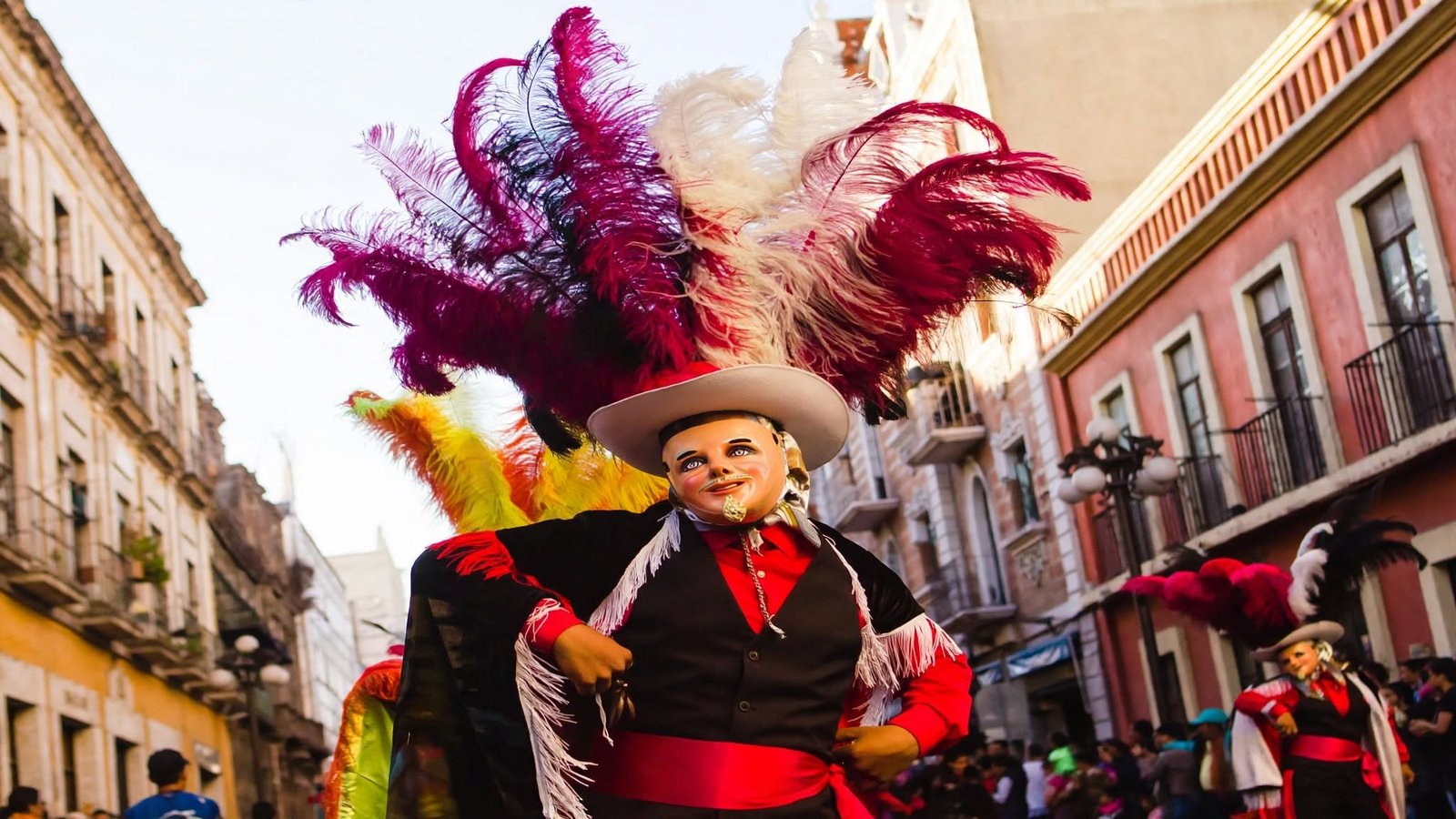
Mexico City fashion is a vibrant blend of traditional Mexican craftsmanship, contemporary design, streetwear, vintage clothing, and international trends. The city’s distinctive style reflects its rich cultural heritage while embracing new ideas from emerging designers, independent boutiques, and creative communities.
What makes Mexico City fashion so fascinating is the way traditional and modern influences coexist. You might see someone wearing a beautifully embroidered blouse with tailored trousers, handmade leather accessories with minimalist clothing, or contemporary streetwear inspired by Indigenous textiles and regional patterns. Instead of adhering to a single fashion aesthetic, Mexico City embraces personal expression, creative experimentation, and styles deeply rooted in Mexican culture.
For visitors, fashion enthusiasts, and anyone interested in global style, Mexico City offers an opportunity to discover how clothing can preserve cultural traditions while expressing a modern point of view.
The Cultural Roots of Mexico City Fashion
Traditional Mexican clothing has influenced the country’s fashion identity for generations. Indigenous communities, regional artisans, and local textile traditions have contributed distinctive techniques, patterns, colors, and materials that continue to inspire contemporary designers throughout Mexico City.
Embroidery, woven fabrics, hand-dyed textiles, and intricate decorative details remain important elements of Mexican fashion. Traditional garments such as the huipil, a loose-fitting tunic worn by various Indigenous communities, demonstrate the artistry and cultural significance of handmade clothing. Although huipils vary considerably by region and community, their patterns and construction can communicate local identity, heritage, and craftsmanship.
As Mexico’s political, cultural, and creative hub, Mexico City brings together diverse regional traditions and contemporary fashion influences, shaping a style scene that blends heritage with modern design. Designers frequently explore ways to incorporate traditional techniques into contemporary silhouettes, creating clothing that feels relevant to today’s wardrobes without losing sight of its cultural origins.
However, Mexican fashion is not limited to traditional garments or colorful embroidery. The city’s style also includes understated tailoring, contemporary luxury, experimental design, and everyday clothing influenced by international fashion capitals.
How Traditional Mexican Clothing Inspires Modern Designers
One of the most interesting aspects of Mexico City fashion is the relationship between traditional craftsmanship and contemporary design. Designers draw inspiration from Mexican textiles, artisanal techniques, historical garments, and regional aesthetics, adapting these influences for modern lifestyles.
A traditional embroidered textile, for example, might become the focal point of a contemporary jacket, dress, or statement accessory. Handwoven fabrics can be transformed into structured coats, relaxed shirts, or sophisticated separates, while traditional color combinations inspire modern collections that range from subtle to expressive.
The appeal of these designs lies in their individuality. In a fashion industry often dominated by mass production, handmade details offer a connection to the people, skills, and communities behind the finished garment.
Many consumers are also becoming more interested in clothing with a meaningful story. They want to understand where materials come from, how garments are made, and whether their purchases support skilled makers. This growing interest has helped bring greater attention to Mexican craftsmanship and the creative possibilities of traditional textiles.
Responsible design is particularly important when cultural traditions are involved. Working directly with artisans, acknowledging the origins of designs, and providing fair compensation can help ensure that traditional knowledge is respected rather than simply used as a decorative trend.
The Rise of Contemporary Mexican Fashion
Mexico City has developed a dynamic fashion scene where established creative businesses and independent designers contribute to an evolving style culture. Its fashion identity is not built around a single aesthetic. Instead, it reflects a mixture of artistic experimentation, practical dressing, cultural influences, and international inspiration.
Contemporary Mexican designers explore everything from architectural silhouettes and minimalist tailoring to expressive prints and unconventional materials. Some create refined collections with neutral colors and clean lines, while others experiment with bold proportions, layered textures, and unexpected combinations.
This variety makes Mexico City particularly interesting for people who appreciate fashion beyond seasonal trends. A carefully constructed jacket, an unusual accessory, or a beautifully finished pair of trousers can become the centerpiece of an outfit without requiring an elaborate wardrobe.
Independent labels and small creative businesses also help distinguish the city from more commercially uniform fashion markets. Their collections often reflect personal perspectives, local experiences, and a willingness to experiment with construction and materials.
Although Mexico City participates in the global fashion conversation, its strongest designs often retain a sense of place. Cultural references, local craftsmanship, and the city’s distinctive visual atmosphere provide inspiration that cannot easily be replicated elsewhere.
Mexico City Street Style: Creative, Comfortable, and Individual
Street style is an essential part of Mexico City fashion because it shows how people interpret trends in everyday life. Rather than relying entirely on runway collections, many residents build their wardrobes around comfortable basics, distinctive accessories, practical footwear, and pieces that express their personal tastes.
Oversized shirts, relaxed trousers, denim, lightweight jackets, sneakers, and simple dresses are useful foundations for everyday outfits. Some people favor neutral colors and understated silhouettes, while others incorporate bright accessories, vintage prints, graphic clothing, or statement outerwear.
The city’s diverse neighborhoods and lifestyles contribute to this variety. Creative professionals, students, artists, office workers, and longtime residents may approach clothing differently, creating a street-style scene that feels varied rather than uniform.
Layering is particularly useful because temperatures can change throughout the day. A lightweight jacket over a T-shirt, a cardigan with jeans, or a versatile overshirt can make an outfit practical while adding visual interest.
Footwear is another important consideration. Comfortable sneakers, loafers, boots, and supportive walking shoes work well for navigating busy streets and exploring different neighborhoods. The best outfits often balance appearance with the practical demands of city life.
Ultimately, Mexico City street style is less about copying a particular look and more about combining pieces in ways that feel natural, expressive, and appropriate for everyday activities.
The Role of Color, Prints, and Textures
Color plays a recognizable role in many interpretations of Mexican fashion, although it is only one part of the city’s broader style identity. Traditional textiles, regional embroidery, folk art, architecture, and the visual energy of urban life provide inspiration for designers interested in expressive palettes and distinctive patterns.
Bright reds, deep blues, vivid greens, warm yellows, and earthy tones can appear in clothing, accessories, and handmade textiles. These colors may be combined with intricate embroidery or woven patterns, creating garments that stand out through craftsmanship rather than branding.
Modern fashion enthusiasts often balance expressive pieces with simpler clothing. An embroidered blouse can work beautifully with plain trousers, while a colorful handbag can add interest to a neutral outfit. Similarly, a patterned skirt paired with a simple top allows the textile to remain the main focus.
Texture is equally important. Woven cotton, natural fibers, leather, denim, and carefully constructed knits create contrast and depth, even when an outfit uses a restrained color palette.
Mexico City fashion therefore offers room for both bold experimentation and understated elegance. The key is not to assume that every Mexican-inspired outfit must be colorful, but to recognize the wide range of visual influences available.
Fashion Neighborhoods Worth Exploring in Mexico City
Mexico City’s neighborhoods provide different ways to experience its fashion culture. From independent boutiques and vintage shops to established shopping districts, each area offers its own atmosphere and opportunities to discover distinctive clothing.
Roma Norte: Independent Designers and Contemporary Style
Roma Norte is known for its creative atmosphere, cafés, galleries, design-focused businesses, and independent retail spaces. It is a rewarding area for shoppers who prefer discovering smaller labels, carefully selected accessories, and clothing that feels different from mainstream department-store collections.
Boutiques in this part of the city may feature contemporary Mexican designers, limited-run collections, handmade products, and pieces that combine modern silhouettes with traditional influences. The selection changes over time, so exploring on foot can be particularly worthwhile.
Roma Norte also offers inspiration beyond clothing stores. Art galleries, architecture, and local creative spaces contribute to the neighborhood’s visual character, making it a useful place to observe how fashion interacts with broader design culture.
Condesa: Relaxed Fashion and Everyday Elegance
Condesa offers a more relaxed approach to urban style, with leafy streets, cafés, independent businesses, and a mix of residential and creative spaces. Its atmosphere suits shoppers interested in versatile clothing, understated accessories, comfortable outfits, and pieces that transition easily from daytime activities to evening plans.
A practical wardrobe for this neighborhood might include straight-leg jeans, tailored trousers, a relaxed shirt, a lightweight jacket, and comfortable shoes. Simple outfits can feel distinctive through thoughtful proportions, interesting fabrics, and carefully chosen accessories.
As in Roma Norte, individual stores and their offerings change, so visitors should treat the neighborhood as a place to explore rather than expect a fixed collection of fashion destinations.
Polanco: Luxury Brands and Refined Design
Polanco is associated with upscale shopping, international luxury labels, sophisticated restaurants, and polished urban surroundings. It is a useful destination for visitors interested in designer fashion, premium accessories, contemporary luxury, and carefully curated retail experiences.
The area’s style environment tends to emphasize refined presentation, high-quality materials, and established fashion brands. Visitors can also use its boutiques and shopping centers to compare international luxury trends with the more independent and locally focused design scene found elsewhere in the city.
Exploring both Polanco and the city’s smaller creative neighborhoods provides a broader understanding of Mexico City fashion, from established luxury retail to emerging design talent.
Historic Center: Traditional Craftsmanship and Cultural Context
The Historic Center offers a different perspective on fashion through its markets, traditional businesses, historic architecture, and connections to Mexico’s wider cultural heritage. It can be an interesting area for discovering accessories, textiles, and products that reflect longstanding craft traditions.
Shopping requires some discernment, especially when buying handmade textiles or products described as artisan-made. Ask about the item’s origin, the materials used, and who produced it. These questions help distinguish meaningful craftsmanship from products that simply borrow traditional visual motifs.
The Historic Center is also valuable for understanding the historical context behind Mexican clothing and design. Its museums, cultural institutions, and surrounding streets provide a wider view of the traditions that continue to influence contemporary style.
Vintage Shopping and Secondhand Fashion
Vintage clothing offers another way to explore Mexico City fashion. Secondhand stores, curated vintage boutiques, and occasional markets allow shoppers to find garments with distinctive cuts, older construction techniques, unusual prints, and styles that are difficult to locate in contemporary mass-market collections.
Denim jackets, leather pieces, vintage dresses, graphic T-shirts, and classic accessories can become useful wardrobe additions. The appeal is not simply nostalgia; vintage shopping allows people to develop a more personal style by combining garments from different periods.
Secondhand fashion can also extend the life of existing clothing and reduce demand for newly manufactured products. However, the environmental impact depends on factors such as how often an item is worn, how it is transported, and whether buying it genuinely replaces a new purchase.
When shopping for vintage clothing, check seams, zippers, buttons, stains, and fabric condition before buying. Trying on garments is especially useful because sizing standards differ between brands and decades.
For travelers, vintage shopping also offers a practical alternative to purchasing heavily branded souvenirs. A well-made jacket, unusual accessory, or distinctive shirt can serve as a lasting reminder of the city’s creative character.
Mexican Textiles, Handmade Accessories, and Artisan Craft
Textiles and handmade accessories are among the most meaningful ways to explore the relationship between Mexican culture and contemporary fashion. Weaving, embroidery, leatherworking, and other artisanal skills vary across Mexico’s many communities, each with its own techniques, histories, and visual traditions.
In Mexico City, visitors may encounter clothing, bags, jewelry, scarves, and other accessories inspired by these craft traditions. Some products are made locally, while others come from artisan communities in different parts of the country and are sold through urban boutiques or markets.
The distinction matters because a product’s appearance does not necessarily reveal where it was made or who benefited from its sale. A garment decorated with traditional motifs may be factory-produced, while a simpler piece may involve extensive handwork by skilled artisans.
If supporting local craftsmanship is important to you, ask sellers about the makers, production process, and origin of the materials. Look for clear information about the artisan or cooperative and whether the product is genuinely handmade.
It is also important to recognize that Indigenous designs can carry cultural and community-specific meanings. Buying directly from makers or businesses that collaborate transparently with artisan communities can help encourage more respectful relationships between traditional craft and modern fashion.
How to Dress in Mexico City: Practical Style Tips
Choosing what to wear in Mexico City depends on the season, your itinerary, and the amount of walking you plan to do. The city sits at a relatively high elevation, so mornings and evenings can feel cool even when afternoons are sunny, and the rainy season can bring sudden showers.
Layering is one of the most useful strategies. A breathable T-shirt or blouse, a light sweater, and a versatile jacket provide flexibility throughout the day without requiring an entirely different outfit for every change in temperature.
Comfortable footwear is equally important. Many neighborhoods are best explored on foot, and uneven sidewalks or long walking distances can make uncomfortable shoes a poor choice. Clean sneakers, supportive loafers, or comfortable boots can complement both casual and more polished outfits.
For daytime sightseeing, consider jeans or relaxed trousers with a breathable top and a lightweight outer layer. If you prefer dresses or skirts, choose comfortable fabrics and footwear suited to your plans. For dinner or an evening event, tailored trousers, a structured jacket, or a well-chosen accessory can create a more refined look without feeling overly formal.
Personal style should remain the priority. You do not need to wear traditional Mexican clothing to appreciate the city’s fashion culture, nor do you need to adopt every local trend. A practical, respectful wardrobe that reflects your own taste is more useful than trying to dress according to a stereotype.
Sustainable Fashion and the Importance of Ethical Design
Sustainability has become an important topic across the global fashion industry, and Mexico City’s creative community offers opportunities to explore more thoughtful approaches to clothing. Independent labels, vintage shops, repair services, and artisan businesses can all play a role in extending garment life and encouraging consumers to consider how their clothes are made.
One approach is to prioritize quality over quantity. Well-constructed garments that suit your lifestyle can remain in regular use for years, especially when they are cared for properly. Buying secondhand, repairing damaged clothing, and choosing versatile pieces are practical ways to reduce unnecessary consumption.
Supporting artisan craftsmanship can also be meaningful, provided the relationship is transparent and fair. Traditional techniques require knowledge, time, and specialized skills, and responsible collaboration should recognize the value of that work through fair payment and appropriate credit.
Still, not every item marketed as sustainable necessarily has a low environmental impact. Terms such as handmade, natural, ethical, and eco-friendly can be used loosely, so it helps to ask specific questions about materials, manufacturing, working conditions, and durability.
The strongest approach to sustainable fashion combines informed purchasing with long-term use. A garment is more likely to provide lasting value when it is well made, genuinely appreciated, and worn regularly rather than purchased simply because it reflects a passing trend.
How Mexico City Fashion Reflects Identity and Self-Expression
Fashion in Mexico City is not just about clothing; it is also a way for people to communicate identity, creativity, and personal values. The city brings together residents with different cultural backgrounds, professions, generations, and lifestyles, creating a fashion environment that resists a single definition of what it means to dress well.
For some people, clothing offers a connection to family traditions or regional heritage. For others, it provides an opportunity to experiment with international trends, contemporary art, music, or subcultures. These influences can coexist within the same wardrobe, producing combinations that feel both personal and distinctly urban.
The relationship between heritage and identity can also be complex. Traditional garments and motifs may hold deep significance for the communities that create them, while their use in commercial fashion raises questions about representation, ownership, and cultural appreciation.
Thoughtful designers and consumers recognize that inspiration comes with responsibility. Learning about the people and traditions behind a textile, acknowledging its origins, and avoiding the assumption that all Mexican cultural expressions are interchangeable can lead to a richer understanding of fashion.
This diversity is one of Mexico City’s greatest style strengths. Instead of presenting a single ideal, the city allows traditional craftsmanship, minimalist clothing, experimental design, and everyday practicality to exist alongside one another.
The Future of Mexico City Fashion
Mexico City fashion continues to evolve as designers, artisans, retailers, and consumers respond to changing tastes and wider conversations about culture, sustainability, and production. Digital platforms have made it easier for independent labels to reach international audiences, while interest in craftsmanship has created new opportunities to introduce traditional techniques to contemporary wardrobes.
Emerging designers can experiment with new materials and silhouettes while drawing on the country’s diverse cultural resources. At the same time, established artisans bring generations of knowledge that cannot simply be reproduced through digital design tools or industrial manufacturing.
The future of this relationship will depend partly on how successfully the fashion industry balances innovation with cultural respect. Collaborations that recognize artisans as skilled creative partners, provide fair compensation, and preserve the meaning of traditional techniques can create value for both contemporary brands and the communities whose work inspires them.
Mexico City is also well positioned to appeal to consumers seeking alternatives to uniform global trends. Its mixture of independent design, secondhand clothing, international luxury, and handmade craftsmanship offers many ways to build a wardrobe with greater individuality.
Rather than replacing tradition with modernity, the city’s most compelling fashion expressions demonstrate how the two can influence one another. The result is a style culture that continues to develop while maintaining a meaningful connection to its cultural surroundings.
Final Thoughts on Mexico City Fashion
Mexico City fashion stands out because it brings traditional Mexican culture into conversation with contemporary design, everyday street style, independent creativity, and international influences. From embroidered textiles and artisan-made accessories to minimalist tailoring and vintage clothing, the city’s fashion scene offers something for people with many different tastes.
Exploring its neighborhoods reveals that fashion is not confined to luxury boutiques or runway collections. It also appears in the details of everyday clothing, the work of local makers, the creativity of independent designers, and the personal choices people make when putting an outfit together.
For visitors, the most rewarding approach is to look beyond familiar stereotypes and discover the city’s many styles on their own terms. Ask questions about craftsmanship, explore different shopping districts, and appreciate the cultural knowledge behind the garments that interest you.
Ultimately, Mexico City fashion demonstrates that traditional heritage and modern style do not have to compete. When approached with creativity and respect, they can work together to produce clothing that is distinctive, meaningful, and deeply connected to the people and places that inspire it.
