



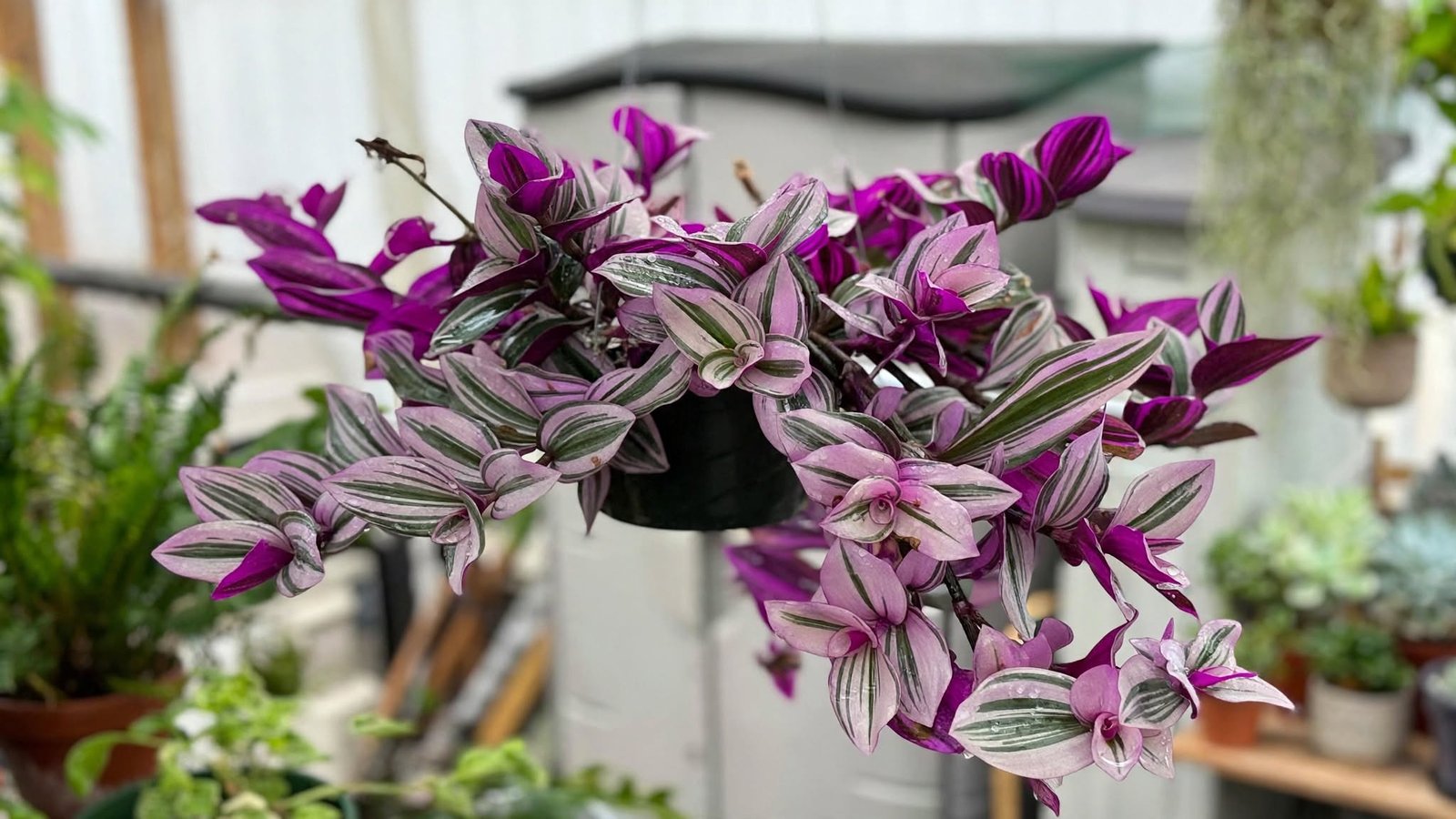
A healthy Wandering Jew plant with rich purple leaves can add a beautiful splash of color to any indoor setting. If your plant looks sparse, has developed long, thin stems, or is losing its vibrant hues, adjusting a few basic care practices can help restore its fullness and encourage stronger growth.
To achieve a bushier Wandering Jew, place it in bright, indirect light, water it when the top layer of soil begins to dry, and trim overgrown stems to promote new branches. You can also root healthy stem cuttings and plant them back into the same pot, filling bare spots and creating a thicker, more vibrant display without purchasing another plant.
With consistent care, this fast-growing houseplant can reward you with attractive foliage and cascading stems throughout much of the year. Whether you are starting with a young plant or trying to revive an older one, understanding its basic needs will help you achieve better results.
What Is a Wandering Jew Plant?
Wandering Jew is a traditional common name used for several plants in the Tradescantia genus. One of the most recognizable varieties is Tradescantia zebrina, which features striking purple leaf undersides, silvery stripes, and green upper surfaces. Other varieties have solid purple, pink, green, or variegated foliage, making these plants popular choices for decorative containers and indoor gardens.
The term “Wandering Jew” is used less frequently today because of its historical and religious connotations, leading many people to prefer alternative names such as wandering dude, inch plant, or Tradescantia.Many plant enthusiasts prefer names such as wandering dude, inch plant, or Tradescantia instead.
These plants are known for their rapid growth and trailing stems, which can spread across shelves or spill gracefully over the sides of hanging baskets. However, when the stems become excessively long and the leaves grow far apart, the plant may lose its compact appearance. Fortunately, the right combination of lighting, pruning, and propagation can encourage a thicker arrangement of foliage.
Although different varieties have slightly different color patterns and growing preferences, most common indoor Tradescantia plants respond well to similar care practices. Providing suitable conditions from the beginning makes it easier to maintain healthy growth and attractive leaf color.
Provide Bright Light to Bring Out Purple Foliage
Light plays a major role in determining how colorful and compact your Wandering Jew plant becomes. Purple-leaved varieties generally develop their strongest coloration when they receive plenty of bright, indirect sunlight. Without enough light, the plant may produce pale foliage, longer stems, and widely spaced leaves as it stretches toward a brighter area.
An east-facing window is often a good location because it provides gentle morning sunlight. A bright room with filtered daylight can also work well, provided the plant receives enough illumination throughout the day.
If your plant has been growing in a dim corner, move it gradually to a brighter position rather than exposing it suddenly to intense sunlight. Some varieties tolerate mild morning sun, but harsh afternoon rays can damage the leaves and leave brown or faded patches.
For homes with limited natural light, a grow light can help maintain steady growth and attractive foliage. Follow the manufacturer’s recommended distance and daily lighting schedule, adjusting the setup according to how your plant responds.
Pay attention to new growth rather than judging the plant only by its older leaves. Healthy new leaves, shorter spaces between nodes, and stronger stems are useful signs that the lighting conditions are improving.
Water Carefully to Keep the Roots Healthy
A healthy Wandering Jew plant needs consistent access to moisture, but its roots should never remain in waterlogged soil for long periods. Both underwatering and excessive watering can interfere with growth, weaken the stems, and affect the appearance of the leaves.
The simplest way to determine when your plant needs water is to check the soil. Insert your finger about an inch into the potting mix, and water when the upper layer feels dry. Apply enough water to moisten the root zone thoroughly, allowing the excess to escape through the drainage holes.
Never leave the pot standing in a saucer filled with water. Constantly wet soil reduces the amount of oxygen available to the roots and may lead to root rot, particularly in heavy potting mixes or oversized containers.
Your watering routine should change with the growing conditions. A plant placed in a warm, bright room may dry out quickly, while one growing in cooler conditions or reduced winter light may need water less frequently. Checking the soil regularly is more reliable than watering automatically on a particular day.
If the leaves begin to wilt, inspect the soil before adding water. Dry soil may indicate that the plant needs a drink, but drooping leaves accompanied by wet soil can point to root stress instead. Identifying the underlying problem helps prevent further damage.
Choose a Suitable Potting Mix for Better Growth
The quality of the soil affects how efficiently your Wandering Jew plant absorbs water and nutrients. A loose, airy potting mix that drains well is ideal because it holds enough moisture for the roots while allowing excess water to escape.
A standard indoor potting mix combined with perlite is a practical option for many home growers. Perlite improves aeration and helps prevent the growing medium from becoming too compact, especially when the plant is watered frequently.
Avoid using dense garden soil in indoor containers. It can become heavy, restrict airflow around the roots, and remain wet for longer than the plant can tolerate.
Your choice of container matters just as much as the soil itself. Always select a pot with drainage holes, and avoid moving a small plant into an unnecessarily large container. Too much unused soil can retain moisture around the roots and increase the risk of overwatering.
When the roots begin filling the existing pot or emerge from the drainage holes, it may be time to repot. Choose a container only slightly larger than the current one, and use fresh, well-draining potting mix to support continued growth.
Prune Long Stems to Encourage a Bushier Plant
Regular pruning is one of the easiest ways to improve the shape of a Wandering Jew plant. As the stems grow longer, the plant may begin to look sparse, particularly if most of the leaves are concentrated near the ends. Trimming these stems encourages branching and helps the plant develop a fuller appearance.
Use clean, sharp scissors to cut a stem just above a leaf node. A node is the point where a leaf joins the stem, and it contains the growing tissue from which new shoots may develop. Cutting in the right place encourages growth from nearby nodes instead of allowing one stem to continue extending indefinitely.
You can shorten excessively long vines by several inches, depending on the size and condition of your plant. Avoid removing too much foliage at once, especially if the plant is already weak or struggling with poor growing conditions.
Pinching off the tips of actively growing stems can also encourage side shoots. Repeat the process as necessary during the growing season to maintain a balanced shape and prevent the plant from becoming excessively leggy.
Spring and summer are generally good times for more active pruning because the plant is likely to recover and produce new growth more quickly. However, small adjustments can be made whenever necessary, provided the plant is healthy enough to tolerate them.
The most effective approach is to combine pruning with good lighting. Trimming may encourage branching, but if the plant remains in a dark location, its new stems may become stretched and sparse again.
Propagate Stem Cuttings to Fill Empty Spaces
If your Wandering Jew plant looks thin in the center or has bare patches around the edges, propagation can help restore its fullness. Tradescantia plants are relatively easy to propagate because healthy stem sections can develop roots from their nodes under suitable conditions.
Begin by selecting healthy stems with several leaves. Cut each stem just below a node, then remove any leaves that would sit beneath the waterline or below the surface of the potting mix.
One option is to place the cuttings in a clean container of water, making sure the nodes remain submerged while the leaves stay dry. Keep the container in a bright location away from harsh direct sunlight, and replace the water regularly to keep it fresh.
Alternatively, insert the cuttings directly into lightly moist potting mix. This method avoids the need to transfer water-rooted cuttings into soil later, although you will need to monitor the moisture level carefully while the cuttings establish themselves.
Once the cuttings have developed healthy roots, plant them around the edges and between existing stems in the original container. Distributing them evenly helps create a more balanced arrangement instead of concentrating all the new growth in one area.
Several established cuttings growing together can make a single container look much fuller. As the new plants mature, pinch their growing tips occasionally to encourage additional branching and maintain a dense, attractive shape.
Feed Your Wandering Jew for Healthy Foliage
Although Wandering Jew plants are relatively easy to grow, occasional fertilizing can support vigorous foliage production. During spring and summer, when growth is active, use a balanced liquid houseplant fertilizer diluted according to the instructions on its label.
For many plants, feeding every few weeks during the growing season is sufficient. The ideal frequency depends on the fertilizer concentration, the quality of the potting mix, and how quickly the plant is growing.
Avoid the temptation to use extra fertilizer in an effort to make the plant grow faster. Excess nutrients can accumulate in the soil and damage the roots, potentially causing brown leaf tips, discoloration, or reduced growth.
If you notice a crust of mineral deposits on the soil surface or around the pot, accumulated fertilizer salts may be a contributing factor. Depending on the condition of the plant and the drainage of the container, flushing the growing medium with water or replacing it may help.
Reduce or stop fertilizing during periods when growth slows, particularly in winter. Plants receiving less light and cooler temperatures generally require fewer nutrients than those producing fresh leaves and stems during warmer months.
Remember that fertilizer cannot compensate for poor lighting, unhealthy roots, or improper watering. Correcting these fundamental growing conditions should come before increasing the amount of plant food you provide.
Maintain Comfortable Temperature and Humidity
Wandering Jew plants generally prefer warm indoor conditions and grow well at typical household temperatures. A range of approximately 18–27°C suits many common Tradescantia varieties, although individual plants may vary in their temperature tolerance.
Keep your plant away from cold drafts, sudden temperature fluctuations, and direct blasts of air from heaters or air conditioners. Prolonged exposure to unsuitable temperatures can slow growth and contribute to damaged foliage.
Moderate indoor humidity is usually sufficient for these plants. If the air in your home is particularly dry, the leaves may develop crispy edges, especially when combined with inconsistent watering or excessive heat.
Misting the leaves is not usually necessary and does not provide a lasting increase in humidity. If dry air is a persistent problem, a room humidifier may offer a more consistent solution. Good airflow is equally important because stagnant, persistently damp conditions can encourage plant health problems.
During warm weather, you can move your Wandering Jew outdoors if the conditions are suitable. Introduce it gradually to outdoor light, protect it from harsh midday sunshine, and bring it back inside before temperatures become too cold.
Common Problems That Affect Growth and Leaf Color
Even an easy-care houseplant can develop problems when its growing conditions are unsuitable. Understanding the warning signs helps you make small adjustments before the plant’s condition deteriorates.
Long, Thin Stems and Sparse Leaves
Leggy growth is often a sign that the plant is not receiving enough light. The stems stretch toward the available light source, creating larger gaps between leaves and an uneven appearance.
Move the plant to a brighter location with indirect sunlight and trim the longest stems to encourage branching. Adding healthy cuttings to empty areas can also improve the overall shape while the original plant develops new growth.
Purple Leaves Losing Their Color
Purple coloration may become less intense when a purple-leaved variety receives insufficient light. However, the natural color of the foliage depends on the particular cultivar, and some varieties have more green or silver coloring than others.
Provide adequate indirect light and monitor the color of new leaves over time. Avoid placing the plant in harsh sunlight simply to intensify its purple tones, as excessive exposure can cause leaf scorch.
Yellowing Leaves
Yellow leaves may develop because of overwatering, poor drainage, insufficient light, or natural aging. If several leaves turn yellow at once, check the soil moisture and inspect the roots if necessary.
Persistently wet soil combined with soft, dark roots can indicate root rot. In contrast, very dry soil and brittle foliage may point toward underwatering. Adjust your care routine according to the actual symptoms rather than assuming that every yellow leaf requires more water.
Brown Leaf Tips and Edges
Brown tips can result from irregular watering, fertilizer buildup, dry air, or excessive direct sunlight. Examine the plant’s environment and make gradual adjustments to determine which factor is responsible.
Trim damaged portions with clean scissors if you prefer a neater appearance, but remember that pruning the affected edges will not solve the underlying cause. New leaves should develop more normally once the growing conditions improve.
Pests and General Decline
Spider mites, aphids, and other common houseplant pests may occasionally affect Tradescantia. Inspect the undersides of leaves and the areas where stems meet, especially when the plant begins to look weak or develops unusual marks.
If you find pests, isolate the plant from nearby houseplants and use an appropriate treatment according to its label. Continue monitoring the foliage to check whether the problem has been controlled.
Arrange Your Plant for a Fuller, More Attractive Display
The way you position your Wandering Jew can influence its appearance as much as its growing conditions. Hanging baskets are ideal for displaying trailing stems, while tabletop containers make it easier to trim the plant and maintain a rounded shape.
For a fuller look, position the plant where light reaches as much of the foliage as possible. If one side receives substantially more light than the other, rotate the container periodically to encourage more balanced growth.
You can also guide longer stems around the surface of the pot instead of allowing every vine to hang over the edge. This creates opportunities to fill bare areas and makes the plant appear denser from above.
Combining established stems with newly rooted cuttings is another effective way to improve the overall shape. Space the cuttings around the container so that new growth develops throughout the plant rather than in a single crowded cluster.
Although dense foliage is attractive, avoid overcrowding the pot to the point that airflow is restricted or the soil remains wet for too long. A healthy, well-shaped plant should have enough space for its leaves and stems to grow without compromising the roots.
Is the Wandering Jew Plant Safe Around Pets?
Some Tradescantia species can cause irritation when their sap or foliage comes into contact with sensitive skin. Pets that chew the leaves may also experience irritation, although the severity depends on the plant species and the individual animal.
Wear gloves if handling the plant causes skin irritation, and wash your hands after pruning or propagating it. Place the container somewhere pets cannot easily reach if they tend to chew houseplants.
If your pet eats the plant and develops symptoms, contact a veterinarian for advice. If you experience a significant or persistent skin reaction, stop handling the plant and consult a healthcare professional.
Taking these precautions is especially helpful when working with multiple cuttings or trimming large numbers of stems. With sensible handling and suitable placement, you can enjoy the plant’s decorative foliage while minimizing unnecessary exposure.
Frequently Asked Questions About Growing Wandering Jew
How Do I Make My Wandering Jew Plant Fuller?
Provide bright, indirect light, trim long stems above leaf nodes, and pinch growing tips to encourage branching. You can also root healthy cuttings and plant them around the original plant to fill empty spaces. Consistent watering and well-draining soil will help the new growth establish itself.
Why Is My Wandering Jew Plant Not Purple Anymore?
A lack of sufficient light is a common cause of fading purple tones in varieties that naturally produce purple foliage. Move the plant gradually to a brighter location and monitor its new leaves for changes in color. Keep in mind that different varieties naturally display different shades, so some will be more colorful than others.
How Often Should I Water a Wandering Jew Plant?
Check the top inch of soil and water when it feels dry. The frequency depends on the pot size, temperature, light exposure, and growing medium, so there is no single schedule that works for every plant. Always allow excess water to drain away completely.
Can I Grow a Wandering Jew Plant From a Cutting?
Yes. Cut a healthy stem just below a node, then place it in water or insert it into moist potting mix. Once the cutting develops roots, you can grow it in a separate container or add it to the original pot to create a thicker display.
Should I Prune My Wandering Jew Plant Regularly?
Regular pruning helps control the length of the stems and encourages a more compact shape. Trim long vines above leaf nodes and pinch back new growth when needed. Healthy cuttings can be rooted and replanted, making pruning useful for both shaping and propagation.
Can a Wandering Jew Plant Grow Indoors Throughout the Year?
Yes, most commonly grown Tradescantia varieties can thrive indoors year-round when they receive adequate light, suitable temperatures, and appropriate watering. Growth may slow during winter, so monitor the soil carefully and reduce fertilizing when the plant is less active.
Final Thoughts
Growing a fuller Wandering Jew plant with beautiful purple leaves does not require complicated techniques or expensive gardening supplies. The most important steps are to provide suitable light, water according to the soil’s moisture level, and prune regularly to encourage branching.
If your plant has become sparse, use healthy cuttings to fill empty areas and give the foliage a denser appearance. Combine propagation with appropriate feeding, well-draining soil, and comfortable indoor temperatures to support long-term growth.
With a little patience and a consistent care routine, your Wandering Jew can develop into a lush, colorful houseplant with attractive foliage and cascading stems. Small adjustments made regularly are often more effective than dramatic changes, allowing the plant to become fuller and healthier over time.
