



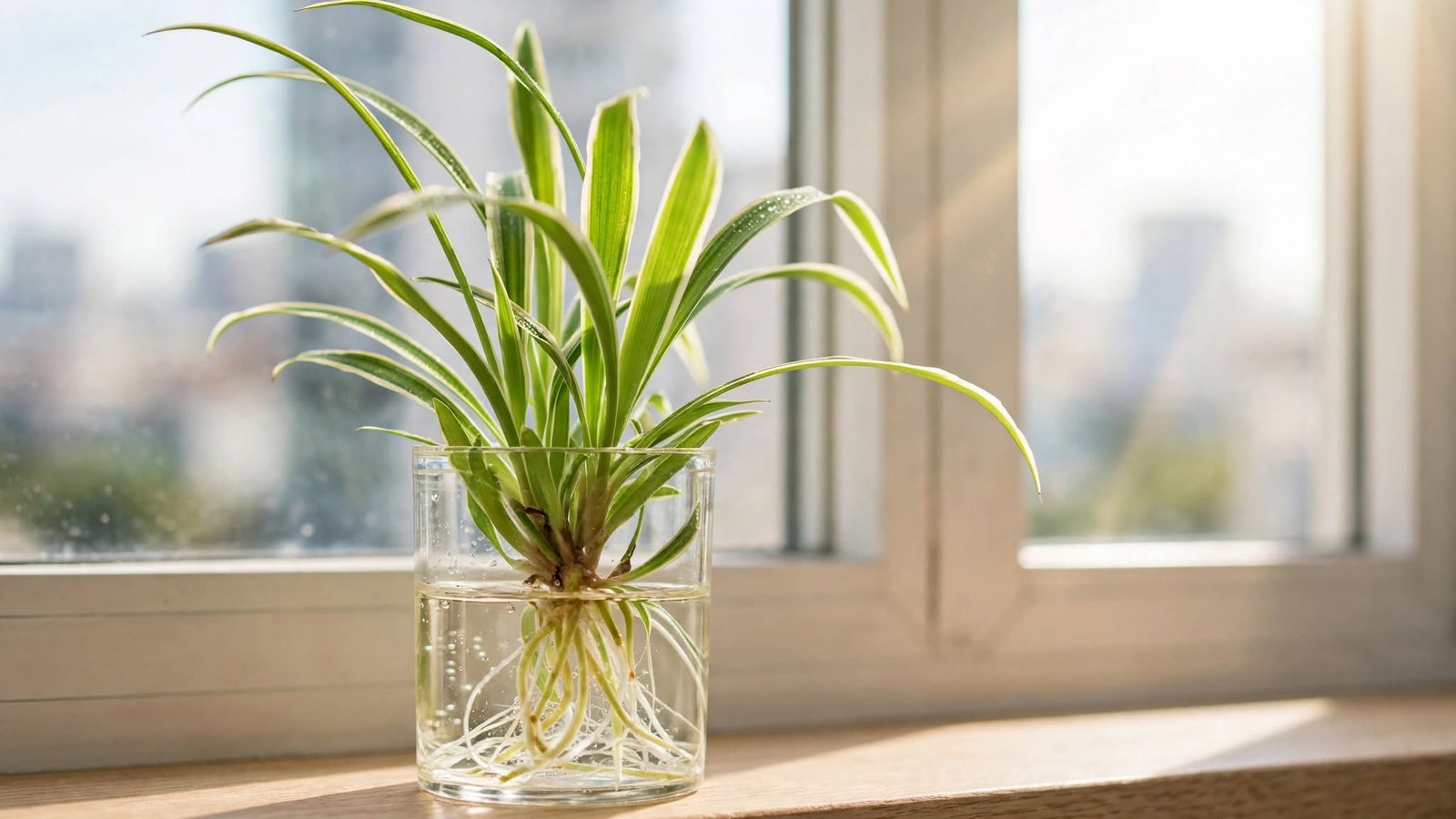
Spider plants are among the easiest houseplants to multiply, making them a wonderful choice for anyone who wants more greenery without spending money on new plants. One of their most appealing features is the way mature plants produce tiny offspring along long, arching stems. These miniature plants, commonly called spider plant babies or spiderettes, can develop into beautiful, independent plants with the right care.
The easiest way to propagate a spider plant from babies is to separate a healthy plantlet from the mother plant and encourage it to grow roots in water or moist potting soil. You can also leave the baby attached to the parent plant while it establishes roots in a separate pot. Both techniques are simple, beginner-friendly, and effective when you provide suitable light, moisture, and warmth.
Whether you want to fill empty corners with greenery, create thoughtful homemade gifts, or expand your indoor plant collection, learning to propagate spider plants is a useful gardening skill. With a few basic supplies and some patience, you can turn a single mature plant into several healthy new additions to your home.
Understanding Spider Plant Babies
Spider plant babies are small offshoots that grow from the slender stems produced by a mature spider plant. As the parent plant develops, these stems may extend outward and produce several plantlets, each with its own cluster of narrow, arching leaves. Some spider plant babies begin forming small roots at their base, signaling that they are ready to grow into independent plants.
These plantlets are a natural way for spider plants to reproduce. With proper care and suitable growing conditions, these plantlets can grow roots and thrive in separate pots. Because they grow from the parent plant, the new plants generally retain the same foliage characteristics, including the green or green-and-white striped leaves of the original variety.
Not every baby will be ready for propagation at the same time. Some develop roots while still attached to the mother plant, while others remain small and rootless for a while. Choosing a healthy, well-developed plantlet improves your chances of success and makes the entire process easier to manage.
When Should You Propagate Spider Plant Babies?
Spring and summer are generally the best seasons for propagating spider plants because warmer temperatures and longer daylight hours encourage active growth. During these months, young roots often develop more quickly, helping the plantlets adjust to their new growing environment.
Indoor propagation can also work during autumn and winter, particularly if your home stays comfortably warm and receives sufficient natural light. However, root development may take longer during periods of reduced daylight or cooler temperatures. If your plant is growing slowly, there is usually no need to rush the process.
Before removing a baby, examine its leaves and base carefully. Choose a plantlet with several healthy leaves, a firm growing point, and preferably a few small root bumps. Larger babies are often easier to handle, but a small plantlet can also succeed if it is healthy and receives consistent care.
Supplies You Need Before Getting Started
Propagating a spider plant does not require special gardening equipment.You only need a healthy, mature spider plant, clean scissors, and a small container of water or potting soil to get started.
For soil propagation, select a small pot with drainage holes and use a light, well-draining houseplant mix. A container that is too large may retain more moisture than the young roots can use, so start with a pot that comfortably accommodates the plantlet. If you prefer water propagation, choose a clean glass or jar that allows the base of the baby to sit in water while keeping the leaves above the surface.
It is also helpful to have a bright spot away from harsh direct sunlight. Preparing your supplies beforehand makes the process smoother and reduces the amount of time the plantlet spends out of its growing environment.
How to Propagate Spider Plant from Babies
Step 1: Select a Strong and Healthy Plantlet
Begin by looking for a mature baby growing along one of the mother plant’s long stems. The best candidates have fresh green leaves, a firm base, and no obvious signs of damage, pests, or disease. If you notice tiny roots emerging from the base, that is an encouraging sign that the plantlet is ready to establish itself.
Avoid choosing babies with mushy bases, extensively yellowing foliage, or badly damaged leaves. These problems can make successful rooting more difficult. If several plantlets are available, start with one of the healthiest rather than removing every baby at once.
Step 2: Decide Whether to Keep the Baby Attached
Before cutting the plantlet away, consider whether you would prefer to root it while it remains attached to the mother plant. This method is particularly useful if the baby has not developed visible roots yet. Set a small pot filled with damp potting soil next to the mother plant, then gently position the baby’s base on the soil surface.
Keep the baby connected to the mother plant while its roots begin to develop.After the baby develops strong roots of its own, use clean scissors to snip the stem connecting it to the mother plant. This approach allows the plantlet to establish roots before becoming fully independent.
If the baby already has small roots or you would rather use water propagation, you can separate it immediately. Both approaches are suitable, so choose the one that best fits your plant’s development and your preferred growing method.
Step 3: Cut the Plantlet Away Carefully
When you are ready to separate the baby, use clean, sharp scissors or pruning shears to cut the stem connecting it to the mother plant. Make a neat cut without damaging the plantlet’s base or removing any healthy leaves.
Handle the baby gently, particularly if small roots are already visible. These young roots can be delicate, and unnecessary pulling or bending may damage them. After separation, inspect the base to determine whether it is ready to be planted directly in soil or would benefit from a little more time rooting in water.
Do not worry if the baby has no visible roots yet. Healthy spider plant plantlets can produce roots after separation, provided their bases receive suitable moisture and the growing conditions remain stable.
Step 4: Choose Water or Soil for Rooting
Once the baby is separated, decide whether to grow its roots in water or potting mix. Both methods can work well, but they offer slightly different advantages. Water allows you to observe the roots as they develop, while soil lets the plantlet establish itself directly in its long-term growing medium.
For water propagation, fill a clean container with room-temperature water and position the plantlet so that its base is submerged. If roots are already present, make sure they sit comfortably in the water. Keep the leaves above the surface to prevent them from becoming wet and deteriorating.
Place the container in a warm location with bright, indirect light. Replace the water every few days or sooner if it becomes cloudy, and rinse the container when necessary. Fresh water helps maintain a cleaner environment for the developing roots.
For soil propagation, fill a small pot with lightly moistened, well-draining potting mix. Make a shallow opening, position the base of the plantlet in the soil, and gently press the mix around it. Keep the leaves above the surface and avoid burying the growing point too deeply. Water lightly to settle the soil around the plantlet, allowing any excess water to drain away.
Step 5: Give the Baby Enough Light and Warmth
A newly propagated spider plant needs a comfortable environment to develop roots and maintain healthy foliage. Bright, indirect light is ideal because it provides energy for growth without exposing the delicate leaves to intense sunlight. A location near a bright window with filtered light is often a good choice.
Temperature also influences the rooting process. Most spider plant babies grow well in ordinary indoor conditions, with temperatures around 65–80°F (18–27°C) generally suitable for development. Avoid placing the plantlet near cold windows during winter, strong air-conditioning currents, or heating vents that cause rapid changes in temperature and humidity.
Although spider plants are adaptable, a newly separated baby may be more sensitive to environmental stress than an established plant. Keeping its location stable during the early weeks can help it adjust more easily.
Step 6: Check for New Roots Without Disturbing the Plant
Root development takes time, so avoid repeatedly lifting the plantlet from its pot or moving it around to check for progress. Instead, monitor its overall condition and maintain suitable moisture levels. If the baby is growing in water, you can observe the roots through the container. If it is planted in soil, look for firm leaves and signs of new growth while allowing the roots to develop undisturbed.
Many spider plant babies begin forming noticeable roots within one to three weeks, although the exact timing depends on their maturity, temperature, light, and general health. Some may root more quickly, while others need several additional weeks.
For soil-grown babies, keep the potting mix lightly moist rather than saturated. For water-grown plantlets, refresh the water regularly and ensure the base remains in contact with it. Excessive moisture is not a shortcut to faster rooting; it can instead increase the risk of rot.
Step 7: Transfer Water-Rooted Plantlets into Potting Soil
If you began with water propagation, move the plantlet into soil once it has developed several healthy roots. Roots around 1–2 inches (2.5–5 cm) long are a useful general guideline, although the overall development of the root system matters more than reaching an exact length.
Prepare a small pot with drainage holes and fill it with fresh, lightly moistened potting mix. Make enough room for the roots to spread naturally, then position the plantlet and gently cover the roots with soil. Avoid pressing too firmly because compacted soil can restrict airflow and make it harder for young roots to grow.
After planting, water gently and let excess moisture drain from the pot. Return the plant to a bright location with indirect light and pay close attention to watering during the next couple of weeks. Water-grown roots may need some time to adjust to the different conditions found in potting soil, so avoid allowing the mix to dry out completely during the initial adjustment period.
Caring for Your Newly Propagated Spider Plant
Once your plantlet has been rooted and planted, the next goal is to help it become established. Good aftercare encourages fresh leaf growth, strengthens the root system, and reduces the risk of common problems. During the early stages, consistent conditions are more helpful than frequent changes to the plant’s location or care routine.
Watering the Young Plant
Spider plant babies need enough moisture to support new roots, but their soil should never remain constantly waterlogged. Check the upper layer of potting mix with your finger and water when it begins to dry. The frequency will vary depending on the pot size, room temperature, humidity, and available light.
Always use a container with drainage holes, and avoid leaving the pot standing in a saucer full of water. Excess moisture can deprive roots of oxygen and encourage root rot. At the same time, do not allow a newly rooted plantlet to remain completely dry for long periods while it is adjusting to its new pot.
Providing Suitable Lighting
Bright, indirect light supports steady growth and helps spider plants maintain attractive foliage. A position near an east-facing window or a bright spot with filtered sunlight can work well. If the leaves begin to look pale or growth becomes unusually slow, the plant may need more light, although other factors such as watering and temperature should also be considered.
Strong direct sunlight, especially during the hottest part of the day, can scorch the leaves. If you move the plant to a brighter location, make the change gradually so it has time to adjust. Rotating the pot occasionally can also help the foliage grow more evenly.
Fertilizing and Encouraging New Growth
A freshly propagated spider plant usually does not need fertilizer immediately. Its first priority is establishing roots and adapting to its new environment. Applying concentrated fertilizer too early can stress delicate roots rather than helping the plant grow faster.
Once the plant is established and producing new leaves, you can use a balanced houseplant fertilizer at a diluted strength during the active growing season. Follow the product’s directions and avoid overfertilizing, as excess nutrients may damage roots or contribute to leaf-tip browning. Healthy light and watering habits remain more important than frequent feeding.
Common Spider Plant Propagation Mistakes to Avoid
One mistake beginners often make is separating a baby before it is sufficiently developed. Small, rootless plantlets can still grow successfully, but they may need closer attention than babies that already have visible roots. If you are unsure, allowing the baby to root while attached to the mother plant is a practical option.
Overwatering is another common problem. Soil that stays wet for too long can cause the plantlet’s base or roots to rot, while water that is not refreshed during water propagation can become cloudy and unsuitable. Maintain a clean container, use well-draining soil, and avoid adding more water simply because you want the roots to grow faster.
Poor lighting can also slow propagation. A plantlet kept in a dark corner may struggle to produce new roots and leaves, while harsh sunlight can cause stress and leaf damage. Choose a warm, bright location with indirect light and keep the plant away from sudden temperature changes.
Finally, avoid planting a tiny baby in an oversized pot. Large quantities of unused soil can remain wet for longer than the roots can manage, increasing the likelihood of rot. A small container with good drainage gives the plantlet a more manageable growing environment until it becomes larger and stronger.
How Long Does Spider Plant Propagation Take?
Spider plant propagation does not follow an exact timetable because each plantlet develops at its own pace. Under favorable conditions, roots may become visible within one to three weeks, but slower development is normal when temperatures are cooler, light is limited, or the plantlet begins without existing roots.
Root formation is only the first stage of the process. After roots develop, the baby needs additional time to adjust to its container and produce new leaves. A healthy plantlet may begin showing fresh growth within several weeks, but it can take a few months to develop the fuller appearance of an established spider plant.
Rather than focusing only on how quickly the plant grows, watch for signs that it is healthy. Firm green leaves, a stable base, and new foliage are encouraging indicators. If growth is slow but the plant remains firm and green, give it time before changing its growing conditions unnecessarily.
Can You Grow Spider Plant Babies Without Roots?
Yes, spider plant babies can develop roots even when they do not have any visible at the time of separation. Choose a healthy plantlet with a firm base and several leaves, then place its base in water or position it in moist potting mix. With appropriate warmth, light, and moisture, new roots can emerge over time.
Water propagation is helpful if you want to see the rooting process, but soil propagation is also effective. The key is maintaining contact between the plantlet’s base and the rooting medium without allowing it to become waterlogged. Patience is important because a rootless plantlet may take longer to establish than one that already has small roots.
If the leaves wilt slightly after separation, check the plant’s moisture and lighting before assuming it has failed. However, a base that becomes black, soft, or mushy may indicate rot. In that situation, it is often better to start again with a healthier plantlet and a cleaner growing setup.
Water Propagation or Soil Propagation: Which Method Should You Choose?
Water propagation is ideal for people who enjoy watching roots develop. A transparent glass makes it easy to monitor progress, and the method requires little equipment beyond a clean container and fresh water. It is especially useful when the plantlet has no visible roots, although you will eventually need to transfer the plant into soil.
Soil propagation is a convenient alternative because the baby develops roots in the same type of medium where it will continue to grow. This eliminates the need for a later transfer from water to soil. However, since the roots remain hidden, you must rely on the plantlet’s overall health and growth to judge whether it is establishing successfully.
Neither method guarantees better results in every situation. Choose water if you prefer visible progress and do not mind maintaining the container. Choose soil if you want a simple, direct process and feel comfortable managing moisture carefully. With the right conditions, both techniques can produce strong, attractive spider plants.
Frequently Asked Questions
Should spider plant babies remain attached while rooting?
They can remain attached until they develop their own roots, which is often a convenient option for beginners. Place the plantlet’s base against moist soil in a separate pot while it remains connected to the mother plant. Once the baby is rooted and growing independently, cut the connecting stem with clean scissors.
Can you propagate several spider plant babies at the same time?
Yes, a mature spider plant can produce several plantlets that are suitable for propagation. You can root multiple babies at once as long as each has enough space, suitable light, and access to the right amount of moisture. Starting with a manageable number can make it easier to monitor their progress and identify any problems early.
Do spider plant babies need fertilizer during rooting?
No, fertilizer is generally unnecessary during the initial rooting stage. The plantlet can develop roots using the resources already available to it, and concentrated fertilizer may damage young roots. Wait until the plant is established and producing new growth before applying a diluted houseplant fertilizer if needed.
Why is my spider plant baby not developing roots?
Slow root development can be caused by low light, cool temperatures, excessive moisture, or a plantlet that is not yet mature enough. Make sure the base remains in contact with the water or moist soil, and keep the plant in a warm location with bright, indirect light. If the base becomes soft or dark, inspect it for rot and consider starting again with a healthy plantlet.
Can spider plant babies grow directly in a permanent pot?
Yes, you can plant a baby directly into the container where you want it to grow. However, a small pot is usually easier to manage while the root system is developing because it reduces the amount of soil that can remain wet around the plantlet. As the plant grows and its roots fill the container, you can move it into a larger pot.
Final Thoughts
Propagating spider plants from babies is an easy and satisfying way to grow more houseplants from a plant you already own. By choosing a healthy plantlet, separating it carefully, and providing the right conditions for root development, you can give it a strong start without needing specialized equipment or advanced gardening experience.
Whether you prefer rooting your plantlet in water, planting it directly in soil, or allowing it to establish roots while attached to the mother plant, the process is straightforward when you pay attention to light, moisture, and drainage. With a little patience and consistent care, your small spider plant baby can grow into a healthy houseplant that adds fresh greenery to your space and may eventually produce babies of its own.

1 Comment
Pingback: Wandering Jew: How to Grow a Fuller Plant With Stunning Purple Leaves - magazinescope.co.uk