



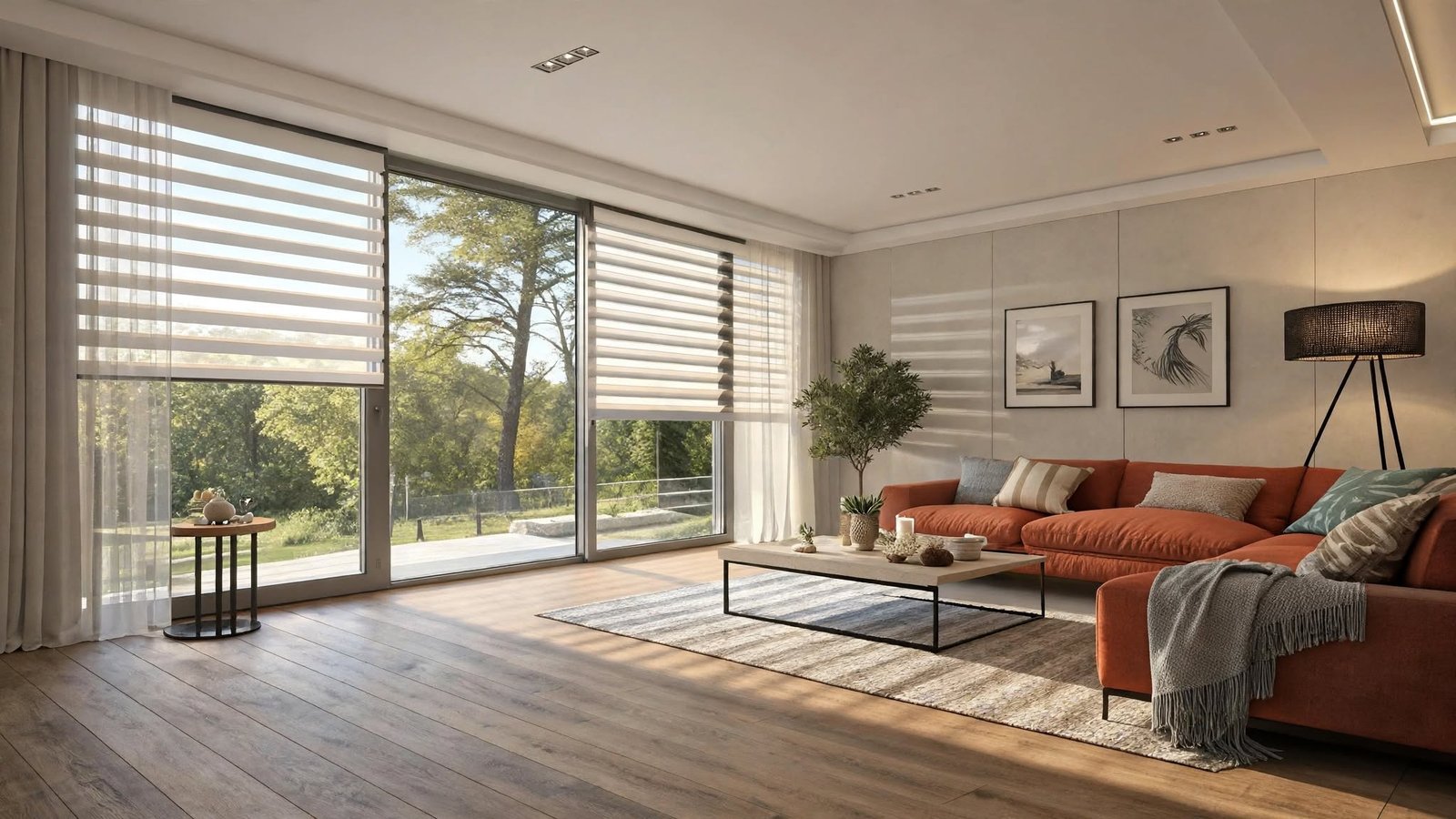
Blinds for south facing windows can help protect furniture, flooring, curtains, and other interior surfaces from fading caused by sunlight. The most effective options combine UV protection with good light control, helping reduce the amount of damaging solar radiation that enters your home while maintaining a comfortable level of natural light.
South-facing windows often receive strong sunlight for much of the day, although the intensity and duration depend on your location, the season, nearby buildings, and the angle of the sun. Over time, direct sunlight can fade wooden floors, bleach upholstery, dull carpets, and cause artwork or decorative fabrics to lose their original color. Choosing the right window blinds is a practical way to limit this exposure without making your rooms feel permanently dark.
However, not all blinds offer the same level of protection. Some are designed primarily to control glare, while others use specialized fabrics or materials that block a greater proportion of ultraviolet (UV) radiation. Understanding these differences will help you select blinds that protect your interiors and complement your home’s style.
Why South Facing Windows Need Extra Sun Protection
South-facing windows can bring beautiful natural light into a home, making living rooms, kitchens, and bedrooms feel brighter and more inviting. In many climates, however, the same sunlight can create uncomfortable glare, increase indoor temperatures, and expose interior furnishings to prolonged solar radiation.
UV radiation is one of the main contributors to fading, but it is not the only cause. Visible light and heat can also contribute to the deterioration of fabrics, wood finishes, photographs, artwork, and other materials. This means that blinds that reduce glare without providing meaningful UV protection may not offer the level of preservation you need.
The amount of damage depends on several factors, including the type of material, the strength of the sunlight, and how long an object remains exposed. A dark sofa positioned directly beside a sunny window may fade unevenly, while wooden flooring near the glass may gradually change color. Even expensive furniture can show signs of discoloration when exposed to intense sunlight over several years.
Installing suitable blinds helps manage this exposure. When combined with thoughtful furniture placement and other protective measures, they can significantly reduce the risk of premature fading and help your interiors retain their appearance for longer.
Best Types of Blinds for South Facing Windows
Choosing the best blinds for south facing windows starts with understanding how different materials manage sunlight. The right option depends on whether your main priority is UV protection, heat reduction, privacy, or preserving a bright and airy atmosphere.
Solar Roller Blinds for UV Protection
Solar roller blinds are an excellent choice for rooms that receive strong sunlight throughout the day. They are made from specially designed screen fabrics that filter incoming sunlight and can block a substantial proportion of UV radiation, depending on the fabric’s specifications.
One of their biggest advantages is that they help reduce glare while allowing some natural light to enter the room. This makes them particularly useful in living rooms, home offices, and dining areas where you want to enjoy daylight without exposing furniture and flooring to the full intensity of the sun.
Solar fabrics are commonly available in different openness factors, which describe how open the weave is. A lower openness factor generally provides greater privacy and stronger light filtering, while a higher openness factor allows more daylight and a clearer view outside. For south-facing windows, a tightly woven fabric may be preferable when protecting valuable furniture is a priority.
It is important to check the manufacturer’s UV-blocking specifications rather than relying on appearance alone. Two solar blinds may look similar but offer different levels of protection depending on their fabric construction and coating.
Blackout Blinds for Maximum Light Control
Blackout blinds are a practical solution for rooms where sunlight needs to be reduced as much as possible. They typically use opaque fabrics that prevent most visible light from passing through the material, making them particularly suitable for bedrooms, nurseries, media rooms, and spaces containing light-sensitive belongings.
By blocking incoming sunlight, blackout blinds can help limit UV exposure and reduce the amount of direct light reaching furniture and flooring. They are especially useful when bright sunlight creates strong glare or makes a room difficult to use comfortably during the day.
However, the term “blackout” primarily describes light-blocking performance, not a universal UV-protection rating. Small gaps around the edges may also allow sunlight to reach interior surfaces, even when the fabric itself blocks light effectively. Choosing a well-fitted blind and checking the manufacturer’s specifications will help you achieve better protection.
If you prefer a room that remains bright during the day, blackout blinds may be more restrictive than necessary. In that situation, solar roller blinds or light-filtering options can offer a better balance between daylight and protection.
Thermal Blinds for Heat and Sun Control
Thermal blinds are designed to help manage heat transfer through windows. Depending on their construction, they may feature insulated fabrics, reflective backings, or multiple layers that improve their thermal performance.
These blinds can be especially useful in rooms where strong afternoon sunlight causes the temperature to rise. By limiting solar heat gain or reducing heat transfer, suitable thermal blinds can make indoor spaces more comfortable and may help reduce the demand for air conditioning.
Some thermal blinds also provide useful UV protection, but this depends on the fabric and backing rather than the word “thermal” alone. If protecting upholstery, wooden flooring, or artwork is your main goal, look for clear information about UV blocking as well as heat-control performance.
For the best results, consider how closely the blind fits the window and whether it leaves large gaps around the edges. A well-fitted product with verified performance specifications will generally be more effective than choosing a thick-looking blind based on appearance alone.
Roman Blinds for Style and Everyday Protection
Roman blinds offer a softer, more decorative appearance than many roller blinds. Their fabric folds neatly as the blind is raised, making them a popular choice for bedrooms, formal living rooms, and traditional interiors.
Their protective performance depends largely on the fabric selected. A densely woven or specially lined Roman blind can reduce sunlight exposure more effectively than a lightweight, unlined fabric, which may allow considerable light to pass through.
If you love patterned fabrics, textured finishes, or warm interior styling, Roman blinds allow you to combine decorative appeal with practical sun protection. Choosing a suitable lining can improve light control and help shield furnishings from direct exposure.
Keep in mind that decorative fabric alone does not guarantee high UV resistance. Ask about the lining, UV-blocking properties, and how well the blind covers the window before making a decision.
Cellular Blinds for Insulation and Light Management
Cellular blinds, sometimes called honeycomb blinds, contain small air pockets that help provide insulation. Their design makes them useful for improving indoor comfort, particularly in rooms where windows contribute to unwanted heat gain or heat loss.
Depending on the fabric, cellular blinds can filter daylight or block most incoming light. Some versions are designed specifically for greater room darkening, while others maintain a softer level of natural illumination.
Their main advantage is insulation rather than automatically providing superior UV protection. If fading is your primary concern, check whether the selected fabric has documented UV-blocking performance and choose an appropriate opacity for the room.
Cellular blinds can be a good choice for bedrooms and frequently used living spaces where you want to combine a neat appearance with improved thermal comfort.
How UV Rays Cause Furniture and Flooring to Fade
Fading occurs when prolonged exposure to light and heat gradually changes the color or structure of materials. UV radiation can break down certain pigments, dyes, finishes, and fibers, causing surfaces to become lighter, discolored, brittle, or uneven in appearance.
Upholstered furniture is particularly vulnerable when its fabric is exposed to direct sunlight for extended periods. Brightly colored sofas, armchairs, cushions, and curtains may lose their original richness, while some synthetic materials can become weaker or more prone to deterioration over time.
Wooden flooring can also change color as it ages in sunlight. Depending on the species, finish, and type of exposure, wood may become lighter, darker, or develop uneven patches where rugs and furniture have shielded certain areas from the sun. Laminate and vinyl flooring can also experience discoloration or finish deterioration when exposed to excessive sunlight and heat.
Artwork, books, photographs, and decorative objects may be even more sensitive. Paper, inks, dyes, and certain paints can deteriorate with prolonged exposure, making sun control especially important in rooms containing valuable or sentimental items.
Installing blinds reduces exposure, but it cannot guarantee that fading will never occur. Different materials react differently to light, and damage may continue gradually even under filtered daylight. Combining suitable blinds with other protective measures provides a more effective long-term approach.
Choosing the Right Blind Fabric for South Facing Windows
Fabric selection plays a major role in determining how effectively blinds protect your interiors. Instead of choosing a product based solely on color or texture, consider its UV-blocking performance, opacity, weave density, and ability to control heat and glare.
For rooms that need plenty of daylight, a high-performance solar screen fabric can be a useful starting point. Look for documented UV-blocking information and compare openness factors to understand how much light and visibility each option allows.
For spaces containing delicate furnishings or valuable artwork, a more opaque fabric may be preferable. Blackout or room-darkening materials can substantially reduce direct light exposure, especially when installed to minimize gaps around the window.
Color can also affect performance, but darker fabric is not automatically the best option in every situation. Dark solar screens often provide better outward visibility and glare control, while lighter or reflective surfaces may help manage solar heat, depending on the fabric’s construction. The backing, weave, coating, and verified product specifications are more reliable indicators than color alone.
Before purchasing, ask the supplier for information about UV transmission, solar heat gain, visible light transmission, and any relevant testing. These details help you compare products more accurately and avoid paying extra for features that may not address your needs.
Should You Choose Light Filtering or Blackout Blinds?
The decision between light-filtering and blackout blinds depends on how you use the room and how much sunlight you want to preserve. Light-filtering blinds soften incoming daylight, reduce glare, and maintain a brighter atmosphere, making them suitable for kitchens, dining areas, and living rooms where natural light is desirable.
Blackout blinds are better suited to situations where strong light needs to be blocked as much as possible. They can be especially beneficial for bedrooms, media rooms, and areas containing objects that require greater protection from prolonged light exposure.
Neither option is automatically best for every south-facing window. A living room with a beautiful outdoor view may benefit from solar screen blinds that reduce UV exposure while maintaining visibility, whereas a bedroom with direct morning or afternoon glare may be more comfortable with a blackout product.
You can also combine different treatments to gain greater flexibility. For example, a solar roller blind can provide daytime protection, while curtains or a second blind can offer additional darkness and privacy when needed. This layered approach lets you adjust the room to changing sunlight conditions throughout the day.
Additional Ways to Protect Furniture and Flooring from Sunlight
Blinds are an important part of sun protection, but small changes around your home can further reduce fading. One of the simplest steps is to move furniture away from areas that receive direct sunlight for several hours. Even shifting a sofa, rug, or wooden cabinet a short distance can reduce the intensity of exposure, depending on the room layout and angle of the sun.
Rotating rugs and rearranging movable furniture periodically can help minimize uneven fading. When an object remains in the same position for years, the exposed flooring around it may change color differently from the covered area. Regularly changing the arrangement can help distribute exposure more evenly, although it does not prevent fading entirely.
For valuable artwork, photographs, antiques, or delicate fabrics, consider placing them on walls that receive less direct sunlight. UV-filtering window film may also provide an additional layer of protection, particularly when paired with suitable blinds. Choose a film designed for the type of glazing you have, and check compatibility with insulated or specialty glass before installation.
Keeping blinds closed during periods of intense direct sunlight can further reduce exposure. You do not necessarily need to keep your home dark all day; adjusting the blinds during the brightest hours can help balance daylight, comfort, and interior protection.
Regular maintenance is also worthwhile. Dust and dirt can affect the appearance and performance of some blind fabrics, so follow the manufacturer’s cleaning instructions to keep them in good condition.
Common Mistakes to Avoid When Buying Blinds for South Facing Windows
One common mistake is choosing blinds based on style alone. Attractive fabrics and fashionable colors may suit your décor, but they do not necessarily offer effective UV protection. Always check product specifications if preventing fading is a major concern.
Another mistake is assuming that all blackout or thermal blinds provide the same level of protection. These terms describe particular features, but performance varies between products. Look for documented UV-blocking information rather than relying on a product label or sales description.
Ignoring the edges of the window can also reduce effectiveness. Sunlight may enter through gaps between the blind and the frame, especially when the sun shines directly onto the glass. Measuring carefully and selecting a suitable mounting arrangement can help limit these gaps, although the best configuration depends on the window design.
It is also easy to overlook the room’s practical needs. A very dark blind may provide excellent light control but make a kitchen or living room feel less inviting. On the other hand, a highly transparent screen may preserve your outdoor view while allowing more light through than you would prefer. Consider the room’s purpose, the position of valuable furnishings, and the amount of daylight you want before choosing a product.
Finally, do not expect blinds to eliminate all fading. Even indirect daylight can contribute to color changes over time, and some materials are naturally more light-sensitive than others. A combination of suitable blinds, careful furniture placement, and additional UV protection offers a more realistic and effective solution.
How to Maintain Your Blinds for Long-Term Performance
Well-maintained blinds can continue to provide useful sun control for years, but their care requirements depend on the material and mechanism. Dust can usually be removed from many fabrics with a soft brush or a vacuum cleaner fitted with a suitable upholstery attachment. Always follow the manufacturer’s instructions, particularly for coated, reflective, or delicate materials.
Avoid using harsh cleaning chemicals unless the manufacturer specifically recommends them. Strong cleaners can damage coatings, alter the fabric’s appearance, or affect its performance. If stains develop, test an approved cleaning method on an inconspicuous area before treating the entire blind.
Check the operating mechanism occasionally to ensure that the blind raises and lowers smoothly. Damaged cords, loose brackets, or a fabric that no longer hangs properly can interfere with convenient operation and may create safety concerns in homes with young children or pets.
It is also worth reviewing your sun protection as your home changes. New furniture, a different room layout, or a change in how you use a space may create new areas of direct exposure. Adjusting the blinds or adding a second treatment can help maintain an effective balance between natural light and protection.
Frequently Asked Questions About Blinds for South Facing Windows
What are the best blinds for south facing windows?
Solar roller blinds with verified UV-blocking performance are a strong option for rooms where you want to reduce sunlight and glare while maintaining natural light. Blackout blinds may be more suitable for bedrooms or spaces containing particularly light-sensitive items, while thermal and cellular blinds can help improve indoor comfort when their specifications match your needs.
Do blinds prevent furniture from fading?
Blinds can significantly reduce the amount of sunlight reaching furniture, which helps lower the risk of fading and material deterioration. However, they cannot eliminate all damage because fading also depends on visible light, heat, material sensitivity, and exposure duration.
Are blackout blinds better than solar blinds for UV protection?
Not necessarily. Blackout blinds block most visible light when properly installed, but their UV performance varies by product. Solar blinds can also offer high levels of UV protection while allowing filtered daylight into the room. Comparing the manufacturer’s tested specifications is the best way to determine which product provides greater protection.
What color blinds are best for south facing windows?
There is no single best color for every situation. Dark solar screen fabrics may provide useful glare control and outward visibility, while lighter or reflective fabrics may help manage solar heat depending on their construction. Choose based on the fabric’s measured performance, the room’s design, and your preferred level of light.
Can blinds protect wooden floors from fading?
Yes, suitable blinds can reduce sunlight exposure and help limit discoloration or uneven fading in wooden flooring. For stronger protection, combine blinds with furniture rearrangement, rug rotation, and UV-filtering window film where appropriate.
Should south facing windows have blinds and curtains?
Using blinds and curtains together can provide more flexible light control, privacy, and protection. Solar blinds can filter sunlight during the day, while lined curtains can add another layer of coverage when direct sunlight is strongest. The best arrangement depends on your room, window design, and desired appearance.
Final Thoughts
Choosing the right blinds for south facing windows is a practical investment in the comfort and appearance of your home. Strong sunlight can gradually fade furniture, change the color of flooring, and damage delicate fabrics, but suitable window treatments can reduce exposure and help preserve your interiors.
Solar roller blinds are a particularly useful choice when you want UV protection without sacrificing all your natural light. Blackout, thermal, Roman, and cellular blinds can also be effective when their materials and performance specifications suit the room’s needs.
Before making a purchase, compare UV-blocking ratings, light-control features, fabric construction, and window coverage. Combine your chosen blinds with sensible furniture placement and other protective measures to create a brighter, more comfortable home while helping your floors, furniture, and decorative pieces maintain their appearance for longer.

1 Comment
Pingback: Dragon Ball Z Super Quiz: How Much Do You Really Know About Dragon Ball Super?