



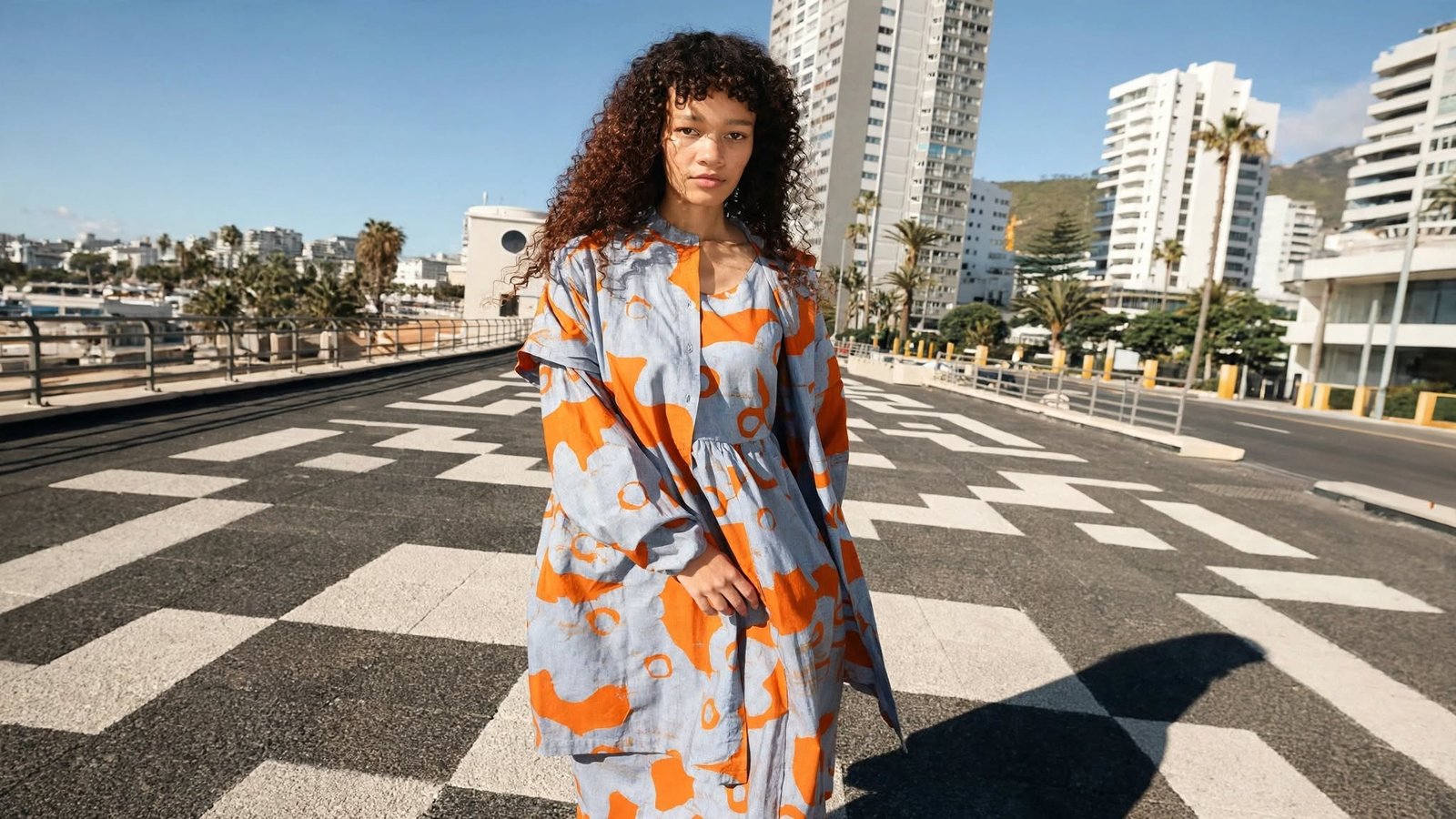
Osei-Duro is an independent fashion brand known for its expressive prints, vibrant colors, and connection to traditional textile-making practices. Osei-Duro blends modern fashion with traditional West African textile techniques, producing unique, artistic garments that celebrate cultural heritage and skilled craftsmanship. For people interested in ethical fashion, Osei-Duro is worth knowing because its identity extends beyond appearance to include how clothing is designed, produced, and understood within its cultural context.
What makes Osei-Duro particularly interesting is the way it brings traditional methods into modern wardrobes without making its collections feel limited to one aesthetic or occasion. Its clothing appeals to shoppers who appreciate individuality, thoughtful design, and alternatives to the uniform styles often associated with mass-market fashion.
What Is Osei-Duro?
Osei-Duro is a fashion label associated with Ghana and contemporary African-inspired design. Its name and creative identity reflect a connection to West African culture, while its collections explore how textiles, color, pattern, and garment construction can work together in modern clothing. Rather than treating fabric as a simple background for a garment, the brand makes textiles a central part of its visual identity.
The result is clothing that often feels playful, expressive, and carefully considered. Depending on the collection, shoppers may encounter printed dresses, tops, trousers, skirts, and other pieces that bring bold patterns into everyday dressing. The appeal lies in the combination of distinctive fabrics and wearable silhouettes, allowing the clothing to make a statement without requiring complicated styling.
Osei-Duro is also part of a broader movement in independent fashion that places greater emphasis on the people, places, and processes behind clothing. This approach encourages consumers to look beyond a label or seasonal trend and consider the creative decisions that shape a finished garment.
Why Is Osei-Duro Considered an Ethical Fashion Brand?
Ethical fashion generally refers to clothing produced with greater attention to labor conditions, responsible sourcing, environmental effects, and the well-being of the people involved in manufacturing. Osei-Duro is often associated with this part of the fashion industry because of its emphasis on thoughtful production, textile craftsmanship, and connections to local creative communities.
Ethical fashion does not follow one universal standard or rely on a single certification. A brand may prioritize certain aspects of responsible production while still facing challenges involving material sourcing, transportation, waste, or the environmental impact of dyeing and finishing fabrics. For that reason, it is useful to distinguish a brand’s values and design philosophy from independently verified information about its entire supply chain.
For shoppers, the most meaningful questions concern how garments are made, who contributes to their production, what materials are used, and whether the brand communicates its practices transparently. Osei-Duro’s interest in textile traditions and considered design provides a compelling starting point for these questions, although specific claims about wages, working conditions, environmental performance, and certifications should be checked against current product or company information.
Ethical fashion also encourages a different relationship with clothing. Instead of buying items simply because they are inexpensive or fashionable for a short period, consumers are encouraged to choose pieces they genuinely enjoy and expect to wear repeatedly. Distinctive designs can support this approach when they remain comfortable, versatile, and durable enough to become regular parts of a wardrobe.
The Role of African Textile Traditions in Osei-Duro’s Design
One of the most recognizable aspects of Osei-Duro’s design identity is its relationship with textile traditions associated with West Africa. Fabrics often hold cultural and historical meaning, with their patterns showcasing traditional techniques, regional influences, and artistic heritage.
By drawing inspiration from these elements, contemporary designers can create clothing that connects heritage with modern personal style.
Traditional textile practices are not simply decorative details from the past. They represent knowledge developed through generations of experimentation, skilled work, and cultural exchange. When such practices inform contemporary fashion, they can introduce new audiences to the complexity of textile production and the creative expertise involved in making distinctive fabrics.
Osei-Duro‘s design approach is particularly appealing to people who enjoy clothing with a strong visual identity. Color combinations and repeating patterns can transform a relatively simple silhouette into something memorable, while the fabric itself becomes a major part of the garment’s character. This emphasis on textiles gives the clothing a sense of individuality that can be difficult to find in products designed around rapidly changing trends.
It is also important to recognize that African fashion is not one uniform style. The continent includes many countries, communities, textile traditions, and contemporary design movements. Understanding Osei-Duro within this broader landscape means appreciating its particular creative identity rather than treating all African-inspired clothing as interchangeable.
What Makes Osei-Duro’s Style Different?
Osei-Duro’s appeal comes largely from the relationship between expressive textiles and contemporary clothing shapes. Bold prints can bring energy to familiar wardrobe pieces, while interesting color combinations create visual depth. This makes the brand attractive to people who want their clothing to communicate personality without relying exclusively on logos, embellishments, or prominent branding.
Another defining feature is the balance between artistic expression and wearability. A patterned garment can be visually striking while still working for everyday activities, social occasions, creative workplaces, or relaxed weekends. The most successful statement pieces are often those that fit naturally into a person’s existing wardrobe rather than requiring an entirely new collection of accessories and clothing.
This design philosophy also gives individual garments considerable styling flexibility. A printed top might work with plain denim for a casual look, while a patterned skirt could be paired with a simple shirt for a more balanced outfit. A statement dress may need little more than comfortable footwear and understated accessories to create a complete appearance.
For shoppers who usually prefer neutral clothing, Osei-Duro’s designs can offer a manageable way to experiment with color. Starting with one patterned piece and combining it with familiar basics allows the fabric to become the focus without making the overall outfit feel overwhelming.
How Osei-Duro Approaches Sustainability
Sustainability in fashion involves more than choosing natural fabrics or using attractive packaging. It includes the environmental effects of raw materials, textile production, dyeing, manufacturing, transportation, garment care, and eventual disposal. A responsible assessment therefore considers the complete life cycle of a garment rather than relying on one appealing feature.
Osei-Duro’s association with considered design and textile craftsmanship makes sustainability a relevant part of its story. Nevertheless, the environmental benefits of any particular collection depend on details such as the fibers used, the chemicals involved in dyeing, production volumes, manufacturing methods, and the durability of finished pieces. Without current, product-specific evidence, it would be misleading to assume that every item has the same environmental impact.
Consumers can make more informed decisions by checking garment labels, care instructions, material descriptions, and any available information about production practices. They can also consider whether a piece suits their lifestyle and whether they are likely to wear it regularly over several years.
Longevity matters because even a well-intentioned purchase offers limited value if the garment quickly becomes uncomfortable, damaged, or unwanted. Choosing clothing that fits well, works with existing outfits, and reflects personal taste can help reduce unnecessary replacement purchases. In this sense, the lasting appeal of a design can be just as relevant to a more thoughtful wardrobe as the materials from which it is made.
Craftsmanship and the People Behind the Clothing
Fashion is often presented as the work of a single designer, but finished clothing usually reflects the contributions of many people. Textile makers, printers, dyers, pattern cutters, sewing professionals, and other skilled workers may all influence how a garment looks and performs. Recognizing these contributions helps consumers understand why clothing production involves knowledge and labor that are not always visible in the finished product.
For brands that draw on textile traditions, craftsmanship can also provide a connection between cultural knowledge and contemporary commerce. Techniques that require practical experience and careful execution cannot always be reproduced through industrial processes alone. When traditional skills are supported through fair and sustainable working relationships, they can remain relevant while providing opportunities for the people who practice them.
In evaluating Osei-Duro, it is worth looking for clear information about its production partners, manufacturing locations, and labor standards. A commitment to ethical fashion becomes more meaningful when consumers can understand how those principles translate into actual working conditions and business practices.
This attention to people also changes the way shoppers think about the price of clothing. A garment’s cost reflects more than its fabric; it can include design development, skilled labor, specialized production, and the complexity of working with distinctive textiles. Although a higher price does not automatically guarantee ethical production, transparent information can help explain the value behind a carefully made piece.
Is Osei-Duro a Good Choice for Everyday Wear?
Osei-Duro may appeal to shoppers who want everyday clothing with more color and character than conventional basics. Its design identity lends itself to outfits that feel individual, especially for people who enjoy mixing prints, experimenting with texture, or using one distinctive garment to bring an otherwise simple look to life.
The key to everyday wearability is choosing pieces that suit personal habits and practical needs. A patterned shirt or versatile skirt may be easier to incorporate into a regular wardrobe than a garment intended primarily for special occasions. Fabric weight, breathability, fit, ease of movement, and washing requirements are also important considerations, particularly for people who expect to wear their clothing frequently.
Before purchasing, shoppers should review the specific item’s sizing information and care instructions. A visually appealing garment is more likely to become a long-term favorite when it fits comfortably and can be maintained without excessive effort. Availability, sizing, and fabric composition may vary across collections, so individual product details are more reliable than assumptions based on the brand’s overall aesthetic.
Osei-Duro is particularly suitable for people who value expressive design and want clothing that can start conversations about art, textiles, and cultural influences. For those who prefer a minimalist wardrobe, one carefully selected piece may be enough to introduce the brand’s visual character without changing their overall style.
How to Style Osei-Duro Clothing
Styling expressive clothing does not have to be complicated. One of the simplest approaches is to let a distinctive print take center stage and build the rest of the outfit around it. A patterned top, for example, can be paired with solid-colored trousers, while a printed skirt can work with a plain T-shirt or lightweight knit.
For a more adventurous look, patterns and colors can be combined intentionally. The easiest way to begin is to find a shared color between two garments, allowing the pieces to complement one another even when their prints differ. Keeping the overall silhouette relatively simple can also help an outfit feel coordinated rather than visually crowded.
Accessories offer another way to adjust the mood of a statement piece. Minimal jewelry and understated shoes can create a relaxed, modern appearance, while more expressive accessories may suit a festive gathering or creative event. The best combination depends on the occasion, the garment’s proportions, and the wearer’s personal preferences.
Layering can make patterned clothing useful across different settings and seasons. A simple jacket or cardigan can tone down a bright print, while a neutral outer layer can provide contrast without hiding the garment’s character. With a few thoughtful combinations, a distinctive piece can become more versatile than it first appears.
What Should You Consider Before Buying Osei-Duro?
The first consideration is whether the design fits your personal style and daily routine. Distinctive clothing can be a worthwhile investment when it makes you feel comfortable and confident, but visual appeal alone should not determine a purchase. Consider how the garment will work with the shoes, trousers, skirts, and outerwear you already own.
The second consideration is the quality and care requirements of the specific item. Examine the available information about fabric composition, construction, fit, and washing instructions. Some printed or specially dyed textiles may require gentler care than ordinary everyday basics, so understanding these requirements can help you protect your purchase and avoid unpleasant surprises.
Price is another practical factor. Independent fashion can involve more specialized design and production than high-volume clothing, but shoppers should still compare quality, usefulness, and expected wear rather than assuming that a premium price automatically signals superior craftsmanship. A garment that serves several purposes and remains in regular rotation may provide better long-term value than an inexpensive item worn only once.
Finally, consider the brand’s ethical and environmental claims carefully. Look for specific, current details about materials, manufacturing, labor practices, and any independently verified standards. Asking these questions does not diminish the appeal of a design; it helps ensure that the values associated with a purchase align with the consumer’s expectations.
How Osei-Duro Fits Into the Future of Ethical Fashion
The wider fashion industry faces increasing pressure to address overproduction, textile waste, resource consumption, and the conditions under which clothing is made. Independent labels can contribute to this conversation by offering alternatives to trend-driven uniformity and encouraging consumers to pay closer attention to design, materials, and production. However, meaningful progress depends on practical changes throughout the supply chain, not just on compelling branding or creative storytelling.
Brands connected to distinctive textile traditions also have an opportunity to help people appreciate the knowledge and labor behind the fabrics they wear. This can broaden conversations about fashion beyond seasonal trends and encourage more respectful engagement with cultural influences. The most responsible approach recognizes the people and communities behind those traditions while avoiding simplistic claims that a garment is ethical solely because it draws inspiration from a particular place.
For consumers, the future of ethical fashion will likely involve more informed purchasing decisions, greater demand for transparency, and a stronger focus on garment longevity. Shoppers can support these priorities by choosing clothing they genuinely value, caring for it properly, repairing it when practical, and avoiding purchases that are unlikely to be worn.
Osei-Duro is an interesting brand to explore within this changing landscape because it brings textile-focused design and contemporary style into the same conversation. Its long-term significance, like that of other ethical fashion labels, ultimately depends not only on the clothes it creates but also on the consistency and transparency of the practices behind them.
Frequently Asked Questions About Osei-Duro
What is Osei-Duro known for?
Osei-Duro is known for expressive prints, vibrant colors, contemporary clothing, and design influences associated with West African textile traditions. Its distinctive aesthetic appeals to shoppers who appreciate fashion with artistic character and cultural context.
Is Osei-Duro an ethical fashion brand?
Osei-Duro is associated with ethical and considered fashion, particularly through its emphasis on textile craftsmanship and production practices. However, ethical performance can vary across different aspects of a supply chain, so shoppers should consult current information about materials, labor standards, manufacturing, and environmental practices before drawing conclusions about a specific product.
What type of clothing does Osei-Duro offer?
The brand is associated with contemporary clothing featuring distinctive textiles and prints. Depending on the collection and current availability, shoppers may find garments such as dresses, tops, skirts, and trousers, although the exact selection can change over time.
Why are Osei-Duro’s prints distinctive?
Its visual identity places considerable emphasis on color, pattern, and the character of textiles. These elements help transform familiar clothing shapes into expressive pieces that can stand out without relying on prominent logos or excessive embellishment.
Is Osei-Duro suitable for a minimalist wardrobe?
Yes, for shoppers who prefer a more restrained wardrobe, a single printed garment can provide contrast against neutral basics. Choosing one versatile piece and styling it in several ways can be an effective introduction to the brand’s aesthetic.
Is Osei-Duro sustainable?
Sustainability depends on specific materials, manufacturing methods, dyeing processes, transportation, durability, and end-of-life considerations. The brand’s design identity may align with a more thoughtful approach to clothing, but individual environmental claims should be assessed using current, verifiable information rather than assumed from its aesthetic or ethical positioning alone.
Final Thoughts
Osei-Duro is worth knowing for its distinctive combination of expressive design, contemporary clothing, and connections to West African textile traditions. It offers an appealing option for people who want their wardrobes to reflect individuality and an appreciation for the craft and cultural influences behind fashion.
Its association with ethical fashion makes it especially relevant to consumers who are thinking more carefully about how clothing is created and what their purchases support. The most useful way to evaluate the brand, however, is to look beyond its visual appeal and examine the specific details of its materials, production methods, labor practices, and garment quality.
Ultimately, Osei-Duro’s appeal lies in the possibility of wearing clothing that feels personal, visually engaging, and connected to a broader creative story. For shoppers who value distinctive textiles and thoughtful design, it offers a compelling brand to explore while encouraging a more informed approach to ethical fashion.
One important update for publication: Osei-Duro has announced that it has closed after 17 years. The article should reflect that status rather than presenting the brand as an active fashion business. The revised version below also incorporates specific details about its production practices and sustainability challenges.

1 Comment
Pingback: Fashion Revolution: How Consumers Are Transforming the Future of Fashion