


Managing a fleet involves much more than keeping vehicles on the road and ensuring deliveries arrive on time. Businesses must also protect drivers, control fuel expenses, maintain vehicles, and make sure daily operations run smoothly. When fleet managers lack accurate information about driving habits and vehicle activity, identifying safety concerns early can become a serious challenge.
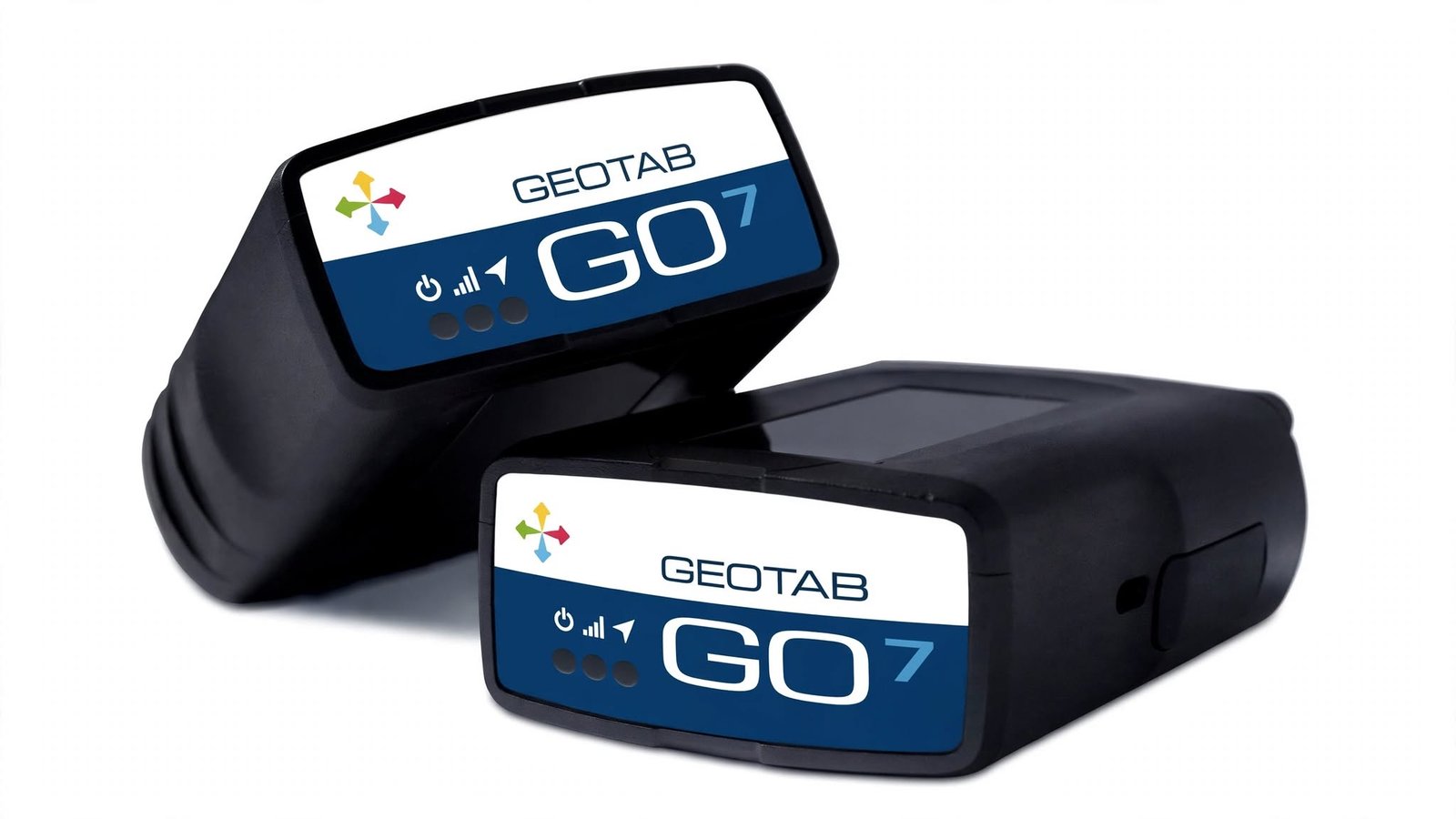
Geotab offers a data-driven approach to these challenges by helping businesses understand how their vehicles are used and how driving behavior affects fleet operations. Through telematics, GPS tracking, vehicle diagnostics, and performance reporting, the platform can help managers recognize potential hazards, guide drivers toward safer habits, and improve operational efficiency. When these insights are combined with practical training and responsible management, they can contribute to a safer and more productive working environment.
Understanding Geotab and Its Role in Fleet Management
Geotab is a fleet management and telematics platform that helps organizations collect, analyze, and interpret information about their vehicles and driving activities. Rather than depending solely on manual reports or occasional inspections, fleet operators can use available data to gain a clearer understanding of what happens during daily journeys.
Depending on the vehicle, installed hardware, and selected services, the platform can provide information about vehicle locations, mileage, engine performance, driving events, and other operational indicators. Fleet managers can review this information through reporting tools and dashboards to identify patterns, investigate concerns, and make decisions based on actual fleet activity.
This approach changes the way businesses manage their drivers and vehicles. Instead of waiting for an accident, mechanical failure, or unexpected increase in operating costs to reveal a problem, managers can look for early warning signs and take preventive action. The aim is not simply to collect more data but to turn useful information into decisions that improve safety, reliability, and productivity.
How Geotab Helps Businesses Create Safer Driving Habits
Safe driving depends on awareness, good judgment, consistent training, and working conditions that allow drivers to make responsible decisions. Geotab can support these elements by helping fleet managers understand driving patterns that may indicate increased risk.
For example, repeated harsh braking, rapid acceleration, excessive speed, or aggressive cornering may suggest that a driver could benefit from additional guidance. These events can also point to external problems, including difficult road layouts, congested traffic, or unrealistic delivery deadlines. Reviewing the surrounding circumstances allows managers to understand the issue more accurately before deciding what action to take.
This information is particularly valuable for businesses that manage multiple drivers across different routes. Managers can identify recurring concerns across the fleet, establish consistent safety expectations, and provide training that addresses specific behaviors. Over time, a structured approach to reviewing and improving driving habits can help make road safety a regular part of daily operations rather than a topic discussed only after an incident.
Recognizing Dangerous Driving Patterns Before They Escalate
One of the main advantages of telematics is the ability to identify repeated driving events that may otherwise go unnoticed. Geotab can help businesses review supported indicators of driving behavior and determine whether certain patterns require further investigation.
Consider a commercial driver who frequently brakes suddenly during delivery trips. At first, the events might appear to indicate poor driving technique. However, a closer review could reveal that the driver regularly encounters congested intersections, follows a route with limited visibility, or operates under a demanding schedule. Each explanation calls for a different response.
Fleet managers can use this information to decide whether the best solution is driver coaching, route adjustments, revised schedules, or further investigation. A single event should not automatically be treated as evidence of unsafe behavior, since unexpected hazards sometimes require immediate reactions. Examining repeated patterns alongside relevant circumstances creates a more balanced and effective approach to risk management.
The Importance of GPS Tracking for Driver Safety
Knowing where fleet vehicles are operating can make a significant difference to daily fleet management. Geotab’s GPS tracking capabilities can help businesses monitor vehicle locations, review journey progress, and improve communication between drivers and dispatch teams.
When a vehicle moves away from its expected route or experiences an unusual delay, location information can help managers investigate the situation and coordinate an appropriate response. It can also support more effective vehicle allocation, particularly for businesses handling deliveries, field services, or time-sensitive transportation.
GPS information becomes even more useful when considered alongside other available fleet data. Location alone cannot explain why a vehicle stopped, why a journey took longer than expected, or whether a driver encountered a safety hazard. By reviewing location patterns together with driving events and operational information, managers can develop a more complete understanding of fleet activity and make better decisions about routes and schedules.
Turning Driving Reports Into Meaningful Driver Coaching
Driver coaching works best when feedback is clear, specific, and focused on achievable improvements. General reminders about driving carefully rarely provide enough guidance to change established habits, particularly when drivers do not understand which behaviors need attention.
Geotab can help managers identify areas where individual drivers may benefit from support. A driver who repeatedly accelerates sharply, for instance, may need guidance on maintaining smoother acceleration and anticipating changes in traffic. Another driver who regularly exceeds speed limits may require additional instruction or a review of scheduling expectations that encourage unnecessary rushing.
The conversation should focus on understanding the cause of the behavior rather than simply assigning blame. Managers can explain the available evidence, listen to the driver’s perspective, and agree on practical steps for improvement. Reviewing subsequent driving reports helps determine whether those changes are working and whether additional assistance is necessary.
Recognizing good performance is equally important. When managers acknowledge consistent improvement and responsible driving, they reinforce positive habits and demonstrate that monitoring is intended to support development as well as accountability.
Evaluating Driver Performance With Consistent Measurements
Performance reports and safety indicators can help fleet managers understand how driving behavior changes over time. Depending on the available features and configuration, Geotab can support the review of driving events and other measures that help organizations assess their fleet’s performance.
However, judging a driver’s ability through a single score can create an incomplete picture. Drivers may travel different distances, work in different environments, or encounter varying levels of traffic and road difficulty. A fair evaluation should consider these differences rather than assuming every driver faces the same conditions.
Businesses can develop more meaningful assessments by examining several indicators together, including the frequency of relevant events, distance traveled, route characteristics, and changes in performance over time. Clear measurement criteria also help drivers understand what is expected of them and how their progress will be assessed.
When reports are used consistently, managers can identify training priorities, recognize improvements, and investigate recurring issues. The objective should be to encourage safer behavior and continuous development, not to create competition that pressures drivers into making poor decisions.
Preventing Accidents Through Early Risk Identification
Accident prevention requires a combination of safe driving, suitable vehicles, effective training, and realistic working conditions. Telematics can contribute by helping fleet managers recognize patterns that deserve attention before they lead to a more serious incident.
For example, a rise in speeding events across a group of drivers may indicate that schedules are too demanding or that expectations around speed limits need to be reinforced. A pattern of harsh braking on a particular route might justify reviewing road conditions, traffic congestion, or the suitability of the existing journey plan. These findings allow businesses to investigate the underlying causes rather than responding only to individual events.
Geotab can provide information that supports these investigations, but technology alone cannot prevent every collision. Managers must act on what they learn by improving procedures, offering appropriate training, adjusting routes when necessary, and reinforcing established safety standards. Tracking safety indicators over time can then help determine whether those actions are producing meaningful improvements.
Supporting Vehicle Maintenance to Protect Drivers
A vehicle’s mechanical condition directly affects its reliability and safety. Problems involving tires, brakes, engine systems, or other essential components can place drivers at risk and cause unexpected interruptions during a journey.
Depending on vehicle compatibility and available features, Geotab can help fleet operators review diagnostic trouble codes, mileage, engine information, and other maintenance-related indicators. This information can help managers identify vehicles that need attention, organize servicing more effectively, and investigate recurring mechanical problems.
A well-organized maintenance process also reduces the likelihood of avoidable breakdowns. By considering vehicle data alongside service records and inspection schedules, businesses can make better-informed decisions about maintenance priorities and vehicle availability. Telematics information should still be used alongside professional inspections and manufacturer-recommended servicing because not every mechanical problem can be detected remotely.
Improving Fuel Economy Through Driver Performance Insights
Fuel is a major operating expense for many commercial fleets, and everyday driving decisions can influence how much a vehicle consumes. Frequent acceleration, unnecessary idling, inefficient routes, and excessive speed can all contribute to higher fuel costs and additional vehicle wear.
Geotab can help businesses examine available vehicle data and driving indicators to identify opportunities for more efficient operation. For example, managers may discover that certain vehicles spend considerable time idling or that repeated driving events coincide with higher fuel consumption. Such findings can guide practical changes, including improved journey planning, smoother driving techniques, and better coordination between dispatchers and drivers.
Fuel-saving initiatives should never encourage unsafe behavior or unrealistic expectations. Drivers still need to respond appropriately to traffic conditions, follow road regulations, and complete their work within reasonable timeframes. By evaluating fuel use alongside safety and service performance, businesses can pursue lower operating costs without compromising responsible driving.
Making Routes More Efficient and Reducing Driver Pressure
Route planning affects more than delivery times. It influences fuel consumption, driver workload, vehicle utilization, and the amount of time drivers spend navigating congested or unfamiliar roads.
By reviewing available GPS and vehicle information, fleet managers can identify inefficient journeys, recurring delays, and opportunities to improve vehicle assignments. When combined with appropriate mapping and dispatch tools, these insights can support better route planning and more realistic delivery schedules.
Well-planned journeys can also reduce unnecessary pressure on drivers. When employees have sufficient time to complete their work, they are less likely to feel compelled to speed or make rushed decisions to meet unrealistic deadlines. Businesses can use historical journey information to refine schedules, account for common delays, and allocate resources more effectively while maintaining appropriate rest and break arrangements.
Encouraging a Positive Safety Culture Across the Organization
Even the most advanced fleet management technology will have limited value if employees do not trust how it is being used. Drivers may resist monitoring when they believe every recorded event will result in punishment, especially when the system does not account for traffic conditions or unexpected hazards.
A stronger approach treats telematics as a tool for learning, prevention, and accountability. Geotab can provide a shared source of information that managers and drivers use to discuss performance, investigate concerns, and recognize progress. Regular conversations also give drivers an opportunity to explain road conditions or operational difficulties that may not be apparent from a report.
Management behavior plays a central role in making this approach successful. Leaders should apply safety standards consistently, acknowledge good driving, provide useful training, and investigate operational issues that contribute to risky behavior. When drivers see that the information is used fairly, they are more likely to participate in safety initiatives and work toward common goals.
Respecting Driver Privacy When Using Telematics
Collecting information about vehicles and driving behavior creates responsibilities around employee privacy and data protection. Businesses should establish clear policies explaining what information is collected, why it is needed, who can access it, and how it may influence performance reviews or workplace decisions.
Monitoring should serve legitimate safety and operational purposes, with access to sensitive information restricted to authorized personnel. Organizations should also follow applicable privacy laws, maintain appropriate data-handling practices, and communicate monitoring expectations before introducing new systems or procedures.
Fair interpretation is just as important as protecting the information itself. A sudden braking event may reflect a driver’s effort to avoid a collision rather than careless driving, while a route deviation may result from a road closure or another unexpected situation. Considering context and giving drivers a reasonable opportunity to explain unusual events helps prevent misleading conclusions and strengthens confidence in the fleet management process.
The Business Benefits of Using Geotab for Driver Performance
Geotab can help businesses bring several aspects of fleet management together in a more organized way. Fleet managers may gain better visibility into vehicle activity, identify recurring driving risks, review maintenance needs, and monitor selected operational indicators through available reporting tools.
Drivers can benefit from clearer feedback and more targeted support. Instead of being told simply to improve their performance, they can discuss specific patterns and agree on practical changes. Early identification of vehicle issues may also help reduce unexpected interruptions and improve confidence in the reliability of the vehicles they operate.
For business owners, better access to fleet information can support more informed decisions about training, vehicle allocation, route planning, and operating expenses. However, results depend on the quality of the data, the capabilities of the installed equipment, the organization’s management practices, and how consistently the information is used. The platform provides useful insight, but meaningful improvement still requires action.
Practical Ways to Get More Value From Geotab
Businesses should begin by identifying the safety and operational problems they want to address. A company concerned about speeding may prioritize relevant driving indicators, while a fleet experiencing frequent breakdowns may focus more heavily on available diagnostic information and maintenance processes. Defining clear objectives helps managers concentrate on information that supports real decisions.
Establishing a baseline is another important step. Reviewing existing accident records, maintenance expenses, fuel use, and driving patterns gives the organization a starting point for measuring progress. Targets should reflect the fleet’s actual conditions and should not encourage employees to prioritize a numerical result over safe and responsible driving.
Training and regular reviews should follow implementation. Drivers need to understand how the system works and how the organization intends to use the information, while managers need to know how to interpret reports without overlooking important context. By reviewing results, providing coaching, and adjusting operational procedures when necessary, businesses can build a continuous improvement process instead of relying on technology alone.
Challenges Businesses Should Consider Before Implementation
Introducing fleet telematics can create practical and organizational challenges. Drivers may have concerns about workplace monitoring, managers may find it difficult to interpret large volumes of information, and different vehicles may offer different levels of data depending on their compatibility and equipment.
A carefully planned rollout can help address these concerns. Businesses should communicate the purpose of monitoring, provide suitable training, verify vehicle compatibility, and select performance indicators that align with their goals. Starting with a manageable set of measurements can make reports easier to understand and help managers focus on the problems that matter most.
Another important consideration is that identifying a problem does not automatically solve it. A report may reveal repeated harsh braking, but managers must still determine whether the cause is driver behavior, traffic conditions, route design, or another factor. Effective results come from combining reliable information with sound judgment, practical policies, and appropriate follow-up.
Conclusion
Geotab can help organizations strengthen driver safety and performance by turning fleet information into practical insights. Its available telematics, GPS tracking, reporting, and vehicle diagnostic capabilities can help managers recognize risky driving patterns, improve driver coaching, support maintenance planning, and identify opportunities to make fleet operations more efficient.
The real difference comes from how businesses apply the information. When fleet managers combine data with fair assessments, clear communication, effective training, and realistic working conditions, they create a stronger foundation for safer driving and better performance. Geotab is not a substitute for driver judgment or responsible fleet management, but it can support businesses that want to make informed decisions and improve their operations over time.
