



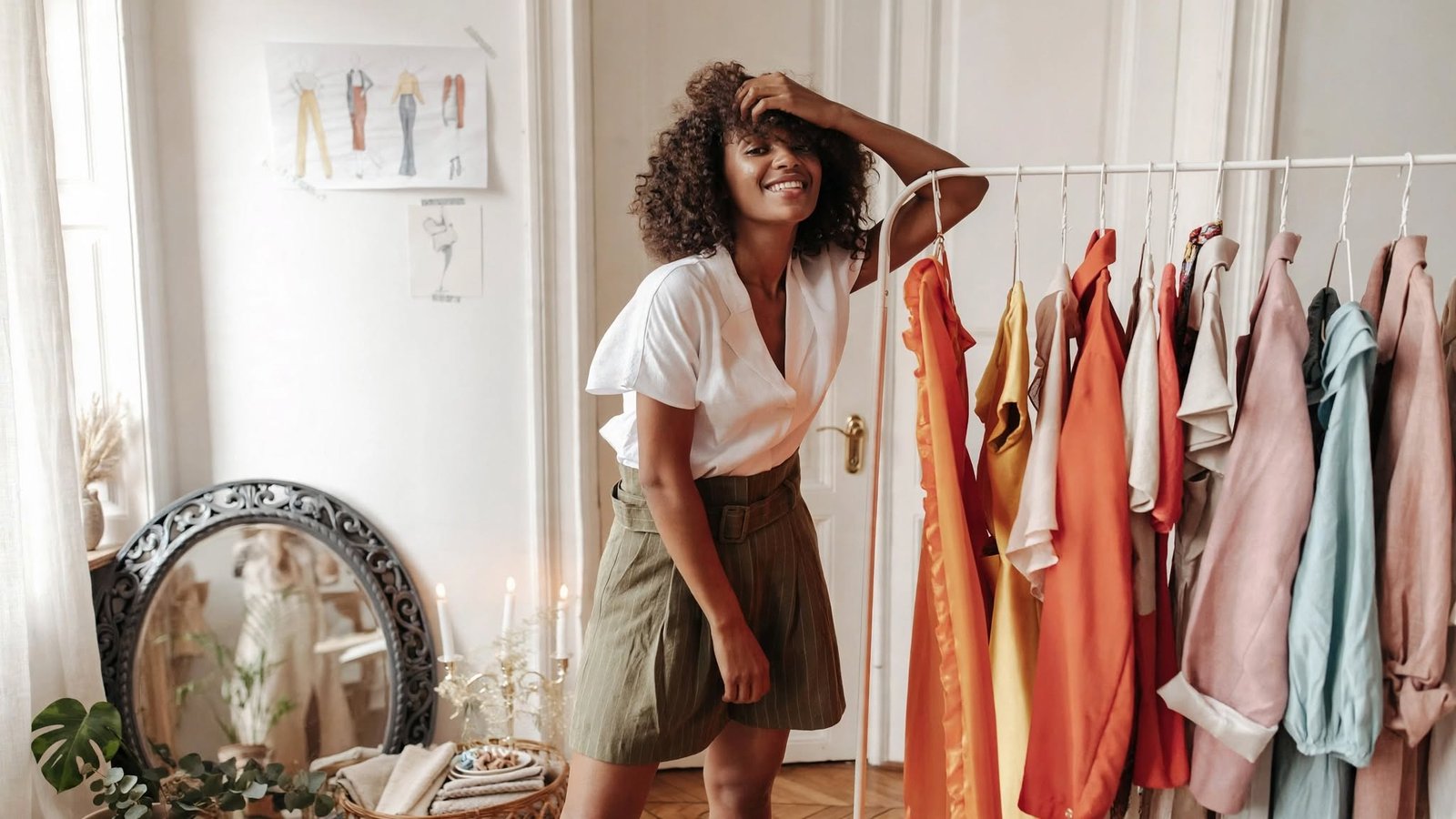
Women’s fashion is about more than following the latest trends; it is about creating a wardrobe that reflects your personality, supports your lifestyle, and makes getting dressed easier every day. The right clothing essentials can help you build stylish outfits for work, casual outings, special occasions, and everything in between without constantly buying new clothes.
So, what are the essential wardrobe pieces every modern woman needs? A well-rounded wardrobe should include a classic white shirt, comfortable jeans, tailored trousers, versatile T-shirts, a flattering blazer, a little black dress, a quality jacket, comfortable footwear, and accessories that complement different outfits. These timeless pieces create a practical foundation that you can adapt to changing seasons, personal preferences, and current fashion trends.
1. A Classic White Shirt for Effortless Style
A classic white shirt is one of the most versatile pieces in women’s fashion because it works across different occasions and personal styles. Whether you prefer a relaxed fit, a crisp button-down design, or a slightly oversized silhouette, a white shirt can instantly make an outfit look clean, polished, and put together.
For a casual daytime look, pair it with blue jeans and white sneakers. If you want something more sophisticated, tuck it into tailored trousers, add a belt, and finish with loafers or heels.
The fabric of a white shirt affects both its appearance and comfort. Cotton is soft and breathable, making it ideal for everyday wear, while linen is lightweight and airy, making it a great choice for warmer weather. A slightly structured shirt can also work beautifully under a blazer or over a simple top, making it useful throughout the year.
2. Well-Fitting Jeans for Everyday Comfort
A reliable pair of jeans is an essential part of a modern woman’s wardrobe. Denim offers a practical balance of comfort and style, making it suitable for shopping trips, casual lunches, travel, and relaxed social gatherings.
The best jeans are not necessarily the ones currently trending; they are the ones that fit your body comfortably and complement the clothes you already own. Straight-leg, wide-leg, slim, and relaxed styles can all be excellent choices, depending on your preferences and proportions.
Dark-wash jeans are particularly versatile because they can look casual with a basic T-shirt or more refined with a blouse and blazer. Light-wash denim creates a relaxed appearance, while black jeans offer an easy alternative for evening outings.
When choosing jeans, pay attention to the waistband, length, fabric stretch, and how comfortably you can sit and move. A well-fitting pair that you enjoy wearing will usually provide more value than several pairs that remain unused in your closet.
3. Basic T-Shirts in Neutral Colors
Simple T-shirts are among the hardest-working items in women’s fashion. Although basic T-shirts may look simple, they are versatile wardrobe staples that can be paired with a variety of outfits and styled with statement pieces to create different looks.
Start with a few colors that suit your wardrobe, such as white, black, beige, gray, or navy. These shades coordinate easily with denim, skirts, tailored pants, shorts, and layered outfits.
A fitted T-shirt works well beneath a cardigan or blazer, while a relaxed design creates an effortless weekend look. You can also wear a plain T-shirt with a statement necklace, structured handbag, or colorful scarf to add personality without making the outfit complicated.
Choose fabrics that feel comfortable against your skin and retain their shape after washing. Cotton and cotton blends are popular everyday options, while a slightly heavier fabric can provide a more structured appearance.
4. Tailored Trousers for a Polished Look
Every modern wardrobe benefits from at least one pair of tailored trousers. They offer a sophisticated alternative to jeans and can help create a professional appearance without sacrificing comfort.
Black, navy, charcoal, and beige are practical colors because they coordinate with a wide range of tops. Straight-leg trousers provide a timeless silhouette, while wide-leg designs create a contemporary look that can feel relaxed and elegant at the same time.
For the office, style tailored trousers with a button-down shirt, loafers, and a structured bag. For an evening gathering, switch to a satin blouse, elegant heels, and delicate jewelry.
The most important consideration is fit. Trousers should sit comfortably at the waist, allow easy movement, and fall at a flattering length for the shoes you plan to wear. If necessary, a simple alteration can make an affordable pair look considerably more refined.
5. A Versatile Blazer for Instant Sophistication
A well-chosen blazer can transform even the simplest outfit into something more polished. It is especially useful for women who want clothing that transitions easily between professional settings, social occasions, and everyday activities.
A black, navy, gray, or beige blazer is a sensible starting point because neutral shades pair well with most wardrobe essentials. A tailored fit creates a structured appearance, while an oversized blazer offers a more relaxed, fashion-forward alternative.
For an everyday outfit, layer a blazer over a basic T-shirt and jeans. For work, wear it with tailored trousers and a blouse. You can even combine it with a simple dress when you want an extra layer that makes the overall look feel more complete.
Look for comfortable shoulders, sleeves that fall at an appropriate length, and enough room to layer the blazer over your usual tops. A versatile design made from a durable, comfortable fabric is generally a better long-term investment than a highly embellished style that works with only one outfit.
6. A Little Black Dress for Special Occasions
A little black dress remains a classic choice because it can be adapted to many different events. Depending on its cut, fabric, and styling, the same dress may work for a dinner date, a birthday celebration, a formal gathering, or an evening event.
You do not need to choose a particular silhouette to make this wardrobe essential work. A simple knee-length dress, a midi design, or a flattering wrap dress can all be practical options, provided the style suits your comfort level and lifestyle.
For an understated daytime appearance, combine the dress with flats, a lightweight cardigan, and a simple handbag. To create an evening look, add statement earrings, heeled sandals, and a clutch.
When shopping for a black dress, consider where you are most likely to wear it. A comfortable, relatively simple design often offers greater versatility than a dress with dramatic details that limit its use to a single type of occasion.
7. A Quality Jacket for Changing Weather
Outerwear is both a functional necessity and an important part of personal style. A suitable jacket adds warmth, provides an extra layer, and can bring an entire outfit together when temperatures change.
A denim jacket is a dependable choice for casual outfits, while a trench coat offers a more refined option for transitional weather. A lightweight utility jacket works well for everyday activities, and a warm coat is essential in colder climates.
The right choice depends on your location, daily routine, and seasonal needs. Women living in warmer regions may benefit more from breathable layers and lightweight jackets, while those experiencing cold winters may need insulated outerwear that provides sufficient protection.
Neutral colors such as black, camel, olive, and navy tend to coordinate easily with existing clothes. However, a colorful jacket can also be a worthwhile addition if it reflects your personal style and complements the pieces you wear most often.
8. Comfortable Footwear That Complements Your Lifestyle
Shoes have a significant influence on both the appearance and comfort of an outfit. Rather than filling your wardrobe with pairs that look attractive but are difficult to wear, focus on a small collection of footwear suited to your everyday activities.
A pair of clean sneakers is useful for casual outings, walking, and travel. Ballet flats or loafers provide a practical option for work and everyday errands, while comfortable sandals are valuable in warm weather. A pair of formal shoes or elegant heels can complete outfits for weddings, celebrations, and evening events.
The colors you choose should coordinate with the clothing you already own. Black, white, tan, beige, and brown are useful starting points, although your preferred shades may differ depending on your wardrobe.
Comfort should always be part of the decision. Check the fit around the toes, heel stability, cushioning, and the materials used, especially if you spend long hours on your feet. Shoes that support your daily routine will be more useful than fashionable pairs that rarely leave the closet.
9. A Versatile Skirt for Feminine and Contemporary Outfits
A skirt can introduce variety into a wardrobe built around jeans and trousers. It provides another way to express personal style while offering options for casual daytime outfits, professional environments, and special occasions.
A-line skirts are popular for their classic shape, while midi skirts offer a versatile length that can work across different settings. A simple black skirt can be paired with a fitted T-shirt, blouse, knit top, or blazer, depending on the look you want to achieve.
For a relaxed outfit, combine a denim or cotton skirt with sneakers and a basic top. For a more refined appearance, choose a midi skirt with a tucked-in blouse and loafers or heels.
Fabric and length matter when selecting a skirt. Lightweight cotton and linen are useful in warmer weather, while heavier fabrics and knit styles may be more suitable for cooler temperatures. Choose a design that allows you to move comfortably and feels appropriate for the occasions on your calendar.
10. A Cardigan or Lightweight Knitwear Layer
A cardigan is a practical wardrobe essential that adds warmth without requiring a complete outfit change. It is particularly useful during cool mornings, air-conditioned workdays, and evenings when the temperature drops.
Neutral knitwear in shades such as cream, gray, camel, black, or navy can be worn repeatedly with different combinations of clothing. A fitted cardigan creates a neat silhouette, while an oversized style offers a relaxed appearance that pairs naturally with jeans and simple tops.
You can wear a cardigan over a dress, layer it over a T-shirt, or combine it with tailored trousers for a comfortable work outfit. Buttoned-up cardigans can also function as tops, making them useful when you want more styling options from fewer garments.
When choosing knitwear, consider the weight, texture, and care requirements of the fabric. Cotton knits are often useful for mild weather, while wool blends provide more warmth when temperatures fall. A well-maintained cardigan can remain a reliable part of your wardrobe for years.
11. A Structured Handbag for Everyday Use
A handbag is more than an accessory; it is a practical item that can influence the overall appearance of an outfit. The right design should provide enough space for your everyday essentials while complementing your personal style.
A medium-sized tote or structured shoulder bag is often a sensible everyday choice because it can accommodate items such as a wallet, phone, keys, and other necessities. A crossbody bag is useful when you want to keep your hands free, while a small clutch works well for formal occasions.
Neutral colors make it easier to coordinate a handbag with multiple outfits. Black, brown, tan, and beige are classic choices, but a colorful bag can add interest to a wardrobe dominated by simple clothing.
Pay attention to the bag’s construction, strap comfort, closures, lining, and available compartments. A practical design that suits your routine is likely to be more valuable than a fashionable bag that looks good but does not meet your everyday needs.
12. Belts, Jewelry, and Other Finishing Touches
Accessories allow you to personalize basic wardrobe pieces without purchasing an entirely new outfit. A simple combination of jeans and a white shirt, for example, can look noticeably different when styled with a leather belt, delicate necklace, and elegant handbag.
A versatile belt can define the waist of trousers, add structure to a dress, or provide a finishing touch to a tucked-in shirt. Simple earrings, a classic watch, and a few understated necklaces can complement everyday clothing without overwhelming the overall look.
Scarves are another useful accessory because they introduce color, texture, and seasonal interest. Sunglasses, hair accessories, and small statement pieces can also help express your individual style.
You do not need a large collection of accessories to create variety. Choosing a few items that coordinate with your favorite colors and clothing styles will make it easier to create outfits that feel distinctive and intentional.
13. How to Build a Wardrobe That Works for Your Lifestyle
Knowing which wardrobe essentials to buy is only the first step. The real value comes from selecting pieces that work together, fit your daily routine, and make getting dressed easier rather than more complicated.
Begin by reviewing the clothes you already own. Identify the pieces you wear frequently, the colors you naturally gravitate toward, and the items that rarely leave your closet. This simple exercise can reveal what is missing and prevent you from buying duplicates.
Next, prioritize versatility. Before purchasing a new garment, consider whether you can combine it with at least three items you already own. A shirt that works with jeans, tailored trousers, and a skirt is generally more useful than one that matches only a single outfit.
It is also worth considering your actual lifestyle. Someone who works in an office may need more tailored trousers and blazers, while a woman who works from home may prefer comfortable knitwear, casual tops, and versatile jeans. Women who attend frequent formal events may benefit from investing in occasionwear, while those who travel regularly may prioritize wrinkle-resistant fabrics and comfortable shoes.
Finally, think about quality, maintenance, and budget. You do not need to replace your entire wardrobe at once or spend a great deal of money on every item. Buying a few useful pieces at a time, caring for them properly, and choosing clothes that can be worn across different seasons can make your wardrobe more sustainable and economical.
14. Choosing the Right Colors for a Versatile Wardrobe
Color coordination can make a wardrobe feel more cohesive and help you create more outfits from fewer pieces. Neutral shades such as black, white, navy, gray, beige, and brown are popular foundations because they work well together and can be combined with a wide range of accent colors.
For example, beige trousers can be styled with a white shirt, a black T-shirt, or a navy blazer. Black jeans can work with almost any color, while a white shirt can brighten darker outfits and create contrast with denim.
However, a practical wardrobe does not have to consist entirely of neutral clothing. If you enjoy bright colors, floral prints, or bold patterns, incorporate them through blouses, skirts, scarves, or statement accessories. These pieces can provide visual interest while the rest of your wardrobe remains easy to coordinate.
Rather than following strict rules about which colors you should wear, pay attention to what makes you feel comfortable and confident. The most effective color palette is one that reflects your preferences and allows you to combine your clothing without unnecessary effort.
15. Common Wardrobe Mistakes to Avoid
One common mistake is buying clothes simply because they are trending. Fashion trends can be enjoyable, but not every popular item will suit your lifestyle, preferences, or existing wardrobe. Before making a purchase, consider whether you genuinely like the item and can see yourself wearing it regularly.
Another mistake is prioritizing appearance over fit and comfort. A garment may look appealing on a hanger but feel restrictive, require constant adjustment, or fail to suit your everyday activities. Trying clothes on, checking the fit carefully, and understanding fabric properties can help you make better decisions.
Many women also accumulate clothing without considering how the pieces work together. A wardrobe filled with individual statement items may offer fewer outfit combinations than a smaller collection of well-coordinated essentials. Planning purchases around your existing clothes can help solve this problem.
Finally, avoid assuming that expensive clothing is always better or that affordable clothing cannot be stylish. Price alone does not determine quality, fit, or usefulness. Look for durable construction, comfortable fabrics, versatile designs, and items that provide genuine value for your budget.
Conclusion: Create a Wardrobe That Reflects Your Personal Style
The essential pieces every modern woman needs are those that make her everyday life easier while allowing her personality to shine through. A classic white shirt, well-fitting jeans, basic T-shirts, tailored trousers, a versatile blazer, a little black dress, suitable outerwear, comfortable shoes, and carefully chosen accessories provide a strong foundation for countless outfits.
The goal is not to own every item mentioned in a fashion guide or to follow every new trend. It is to create a wardrobe that feels practical, comfortable, and genuinely suited to you.
Start with the pieces you need most, choose colors and silhouettes you enjoy wearing, and add new items thoughtfully. With a little planning and attention to fit, versatility, and quality, you can build a timeless wardrobe that supports your lifestyle and helps you feel confident on any occasion.

1 Comment
Pingback: Fashion Transparency Index: What It Reveals About Ethical Fashion and Sustainability