



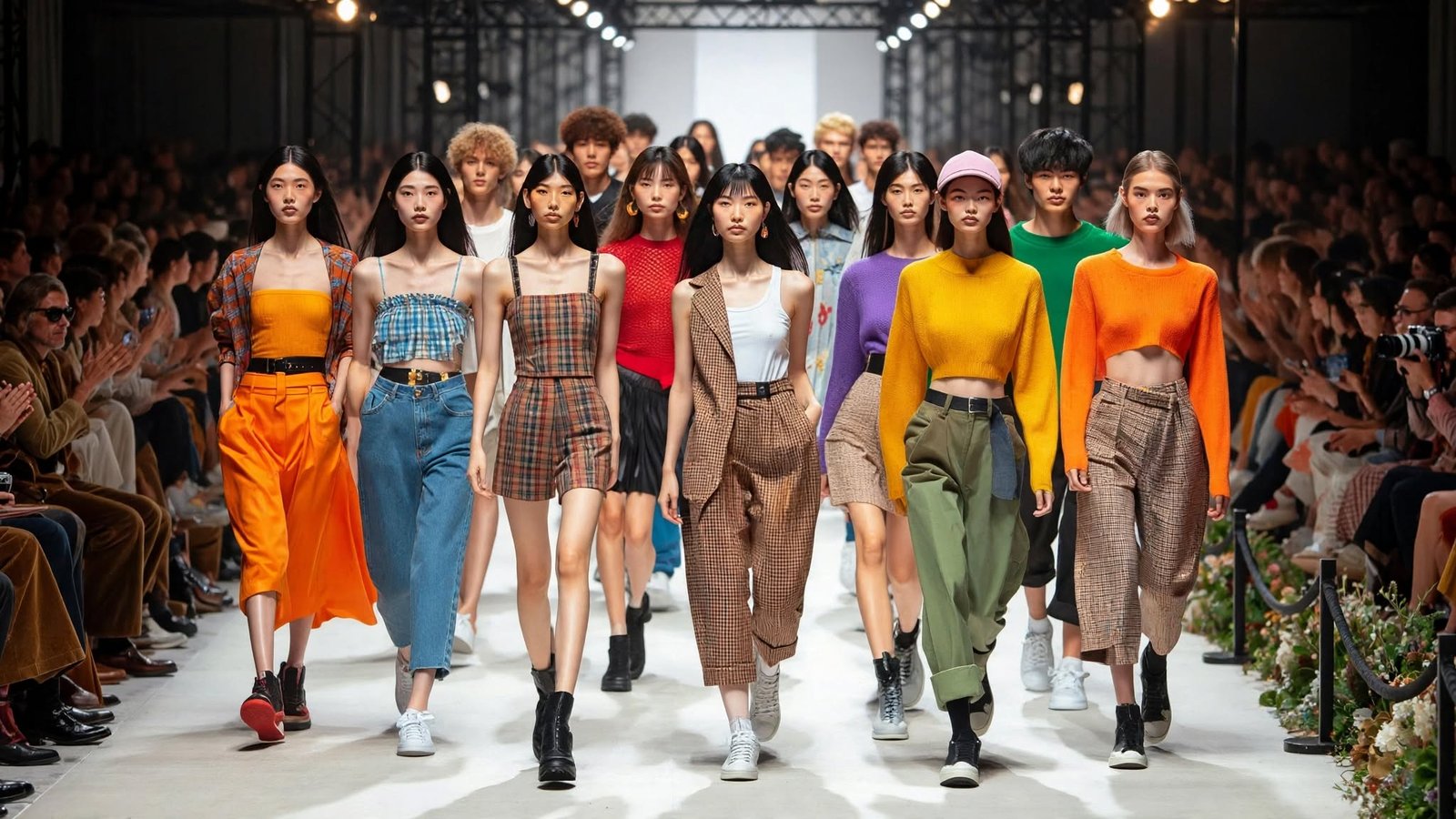
The fashion industry is changing as consumers become more aware of how their clothing is designed, produced, and sold. People are no longer choosing outfits based solely on appearance, price, or the latest trends; many are also considering environmental impact, workers’ rights, material quality, and the long-term value of their purchases.
Fashion Revolution is a movement toward a more ethical, transparent, and sustainable fashion industry, and consumers are playing a major role in driving this change. Through conscious shopping, support for responsible brands, clothing reuse, and demands for greater transparency, individuals are encouraging fashion companies to rethink how they make and market their products.
This shift is influencing everything from fabric selection and manufacturing practices to retail strategies and consumer attitudes. Although challenges remain, the growing demand for responsible fashion is helping create opportunities for a more thoughtful and sustainable future.
What Is Fashion Revolution?
Fashion Revolution refers to a global movement that calls for a fashion industry that respects people, protects the environment, and operates with greater transparency. The movement gained momentum following the Rana Plaza garment factory collapse in Bangladesh in 2013, a tragedy that highlighted the dangerous working conditions faced by many garment workers and raised serious questions about the responsibilities of fashion brands.
Since then, Fashion Revolution has encouraged consumers, designers, manufacturers, retailers, and policymakers to examine the true cost of clothing. Its central message is that fashion should not come at the expense of human dignity or environmental health.
The movement also challenges the idea that inexpensive clothing is always a good deal. Cheap clothing can come with hidden costs when it is made using environmentally harmful materials, produced in unsafe factories, or designed for short-term use. Fashion Revolution does not simply ask people to stop buying clothes. Instead, it encourages them to understand where their clothing comes from, how it is made, who makes it, and what happens to it after it is no longer needed.
How Consumers Are Transforming the Fashion Industry]
Consumers have considerable influence over the fashion market because their purchasing decisions affect which products succeed and which business practices remain profitable. When shoppers consistently choose durable garments, investigate brand policies, and support responsible businesses, they send a clear message about the standards they expect.
This influence extends beyond individual purchases. Consumers can share information about working conditions, ask companies to explain their supply chains, participate in public campaigns, and encourage retailers to take responsibility for their environmental and social impact. Social media has made these conversations more visible, allowing customers to question brands and draw attention to issues that might otherwise receive little public attention.
Fashion companies increasingly need to consider these expectations when developing products and communicating with customers. While not every brand responds meaningfully to consumer pressure, sustained demand for ethical practices can encourage businesses to improve their sourcing, manufacturing, and product durability.
The Growing Importance of Sustainable Fashion
Sustainable fashion focuses on reducing the environmental impact of clothing throughout its life cycle, from the extraction of raw materials to manufacturing, transportation, use, and disposal. The industry relies on substantial amounts of resources, including water, energy, land, and raw materials, while textile production and waste can contribute to pollution and greenhouse gas emissions.
Consumers are helping bring these concerns into everyday shopping decisions. Some choose organic or recycled fibers, while others prioritize clothing that lasts longer, requires less frequent replacement, or can be repaired when damaged. Buying secondhand clothing and using existing garments for longer can also reduce demand for new production.
However, sustainability is not determined by a single label or material. The environmental impact of a garment depends on several factors, including how its fibers are produced, how much processing it requires, how long it lasts, and how it is cared for. A responsible approach involves looking at the entire life cycle rather than assuming that every product marketed as green is automatically sustainable.
Why Ethical Fashion Matters to Modern Consumers
Ethical fashion places human well-being at the center of clothing production. It considers whether garment workers receive fair wages, work reasonable hours, have safe working environments, and are treated with dignity throughout the manufacturing process.
Many shoppers are becoming more interested in these issues because they recognize that the people who make their clothes are an essential part of the fashion industry. Behind every shirt, pair of jeans, dress, or jacket is a network of workers involved in growing fibers, spinning yarn,Every shirt, pair of jeans, dress, or jacket passes through several stages of production, involving workers who process raw fibers, make yarn, weave fabrics, apply dyes, cut materials, and stitch the final garments. weaving fabric, dyeing materials, cutting patterns, and assembling garments.
Consumers can support ethical fashion by researching company policies, looking for credible independent certifications where appropriate, and asking brands for clear information about their suppliers. They can also recognize that ethical production is complex, particularly when clothing passes through multiple factories and countries before reaching stores.
No single purchase can solve every labor problem, but informed choices and collective pressure can help encourage better business practices. Ultimately, ethical fashion is about ensuring that the people responsible for creating clothing are not overlooked in the pursuit of lower prices and faster production.
The Problem With Fast Fashion
Fast fashion is a business model built around producing inexpensive clothing quickly and frequently, often in response to rapidly changing trends. It allows consumers to access fashionable styles at relatively low prices, but its emphasis on speed, volume, and constant newness can create significant environmental and social challenges.
One major concern is overconsumption. When new collections appear continuously and clothing is treated as disposable, people may buy more items than they need and discard garments that remain wearable. This pattern increases demand for resources and contributes to textile waste, especially when unwanted clothing cannot be reused or recycled effectively.
Fast fashion can also create pressure throughout supply chains, where tight deadlines and low production costs may make it difficult to maintain good working conditions. These risks vary between companies and factories, so it is important not to assume that every low-cost garment was produced unethically. Nevertheless, the business model can create incentives that make responsible production harder to achieve.
Consumers are responding by reconsidering how often they shop and what they expect from their clothing. Instead of buying every new trend, many are exploring timeless styles, secondhand markets, clothing swaps, and higher-quality basics that can be worn in different ways.
The Rise of Conscious Shopping
Conscious shopping means making purchasing decisions based on more than immediate desire or the lowest available price. It involves considering whether an item is genuinely needed, how well it is made, how frequently it will be worn, and whether it aligns with personal values.
For example, someone who needs a winter coat might compare several options based on warmth, construction, durability, repairability, and the company’s approach to sourcing. A more expensive coat may offer better long-term value if it lasts for many seasons, although a well-made secondhand coat could be an even more affordable choice.
Conscious shopping also encourages people to become familiar with their existing wardrobes. Before purchasing another item, consumers can identify gaps in their clothing collection, experiment with new combinations, and repair pieces they already own. These simple habits can reduce unnecessary spending while making personal style more individual.
Importantly, responsible fashion does not have to be expensive. Shopping at thrift stores, exchanging clothes with friends, tailoring existing garments, and choosing versatile pieces can make sustainable practices accessible to people with different budgets.
How Social Media Is Influencing Fashion Revolution
Social media has changed how people discover fashion trends, evaluate brands, and discuss the origins of their clothing. Platforms such as Instagram, TikTok, YouTube, and Pinterest allow consumers to share outfit ideas, demonstrate clothing repairs, review secondhand purchases, and explain the environmental consequences of disposable fashion.
Content creators have helped popularize concepts such as capsule wardrobes, outfit repeating, clothing resale, and styling the same garment in several ways. These ideas challenge the assumption that looking fashionable requires buying something new for every occasion.
Social media can also make it easier for consumers to question companies about their claims. When customers request information about factory conditions, material sourcing, or waste reduction, brands may face greater public scrutiny than they would through traditional advertising channels alone.
However, social media can also encourage overconsumption by promoting constant product launches, influencer shopping hauls, and short-lived microtrends. Some brands use sustainability language primarily as a marketing tool without providing meaningful evidence of improvement.
For this reason, consumers should look beyond attractive campaigns and investigate the substance behind a company’s promises. Genuine progress requires measurable actions, clear reporting, and accountability rather than a carefully designed online image.
The Role of Transparency in Modern Fashion
Transparency means providing meaningful information about how clothing is produced and the businesses involved in its supply chain. This can include factory locations, manufacturing partners, labor standards, material origins, environmental targets, and progress toward meeting those commitments.
For consumers, transparency makes it easier to evaluate brands and identify unanswered questions. A company that explains its sourcing practices and acknowledges areas where improvement is needed may provide more useful information than one that relies on broad claims such as “eco-friendly” or “conscious” without supporting details.
Transparency does not automatically guarantee ethical or sustainable production. A brand might disclose its suppliers while still having problems with wages, working hours, chemical management, or waste. Disclosure is therefore an important starting point, but it must be accompanied by action, independent scrutiny where appropriate, and evidence of improvement.
Consumers can encourage greater transparency by asking direct questions about product origins and manufacturing conditions. When enough customers expect clear answers, companies have stronger reasons to improve the information they provide and address weaknesses in their operations.
Secondhand Fashion and Clothing Reuse
Secondhand fashion has become an important part of the shift toward more responsible clothing consumption. Thrift stores, online resale platforms, vintage shops, and community clothing exchanges give garments additional opportunities to be worn instead of being discarded.
Buying used clothing can reduce the need for new production when it replaces the purchase of a newly manufactured item. It can also make distinctive styles and higher-quality garments available at more affordable prices, helping consumers develop a personal wardrobe without relying entirely on new retail collections.
Clothing reuse goes beyond resale. People can repair damaged seams, replace missing buttons, alter garments for a better fit, or transform older pieces into something that suits their current needs. These practices preserve the value of clothing and help develop a more practical relationship with personal style.
Nevertheless, secondhand shopping is not automatically sustainable in every situation. Buying more used garments than necessary can still encourage excessive consumption, and some clothing requires substantial alterations or transportation. The greatest benefit comes from using resale and repair to extend the life of garments rather than simply creating another reason to shop.
How Fashion Brands Are Responding to Consumer Expectations
Fashion brands are responding to changing consumer expectations in different ways. Some are introducing recycled materials, expanding repair services, improving supply-chain reporting, developing resale programs, or creating collections designed to last longer. Others are exploring production methods that reduce material waste and make more efficient use of resources.
These initiatives can help move the industry toward more responsible practices, particularly when they address the company’s core business rather than a small selection of products. For instance, a repair program may be more meaningful when it supports a genuine commitment to garment longevity instead of encouraging customers to replace their wardrobes every season.
At the same time, businesses face practical challenges. Changing suppliers, improving factory conditions, testing alternative materials, and redesigning manufacturing processes can require significant investment and coordination. Smaller brands may have limited resources, while larger companies must manage complex supply chains involving many countries and production partners.
Consumers should therefore assess progress by looking for specific, measurable commitments and evidence of results. Promises about future sustainability goals can be useful, but they are more convincing when companies explain how those goals will be achieved, how progress will be measured, and what happens when targets are missed.
The Connection Between Personal Style and Sustainable Fashion
Sustainable fashion does not require people to abandon creativity, individuality, or their interest in trends. Instead, it encourages a more thoughtful approach to personal style by focusing on clothing that reflects individual preferences and can be worn repeatedly.
Building a versatile wardrobe starts with understanding which colors, shapes, fabrics, and silhouettes suit everyday needs. Consumers can then choose pieces that work together, making it easier to create different outfits from a smaller number of garments. A well-fitting jacket, durable trousers, comfortable shoes, and a few adaptable tops can provide numerous combinations without constant shopping.
This approach also creates space for experimentation. Vintage clothing, secondhand discoveries, tailoring, and accessories can introduce variety without requiring an entirely new wardrobe. Rather than treating clothing as something that quickly becomes outdated, people can develop a style that evolves naturally over time.
The result can be both practical and expressive. When consumers buy with intention and take care of what they own, they can enjoy fashion while reducing unnecessary purchases and making better use of their clothing budgets.
Practical Ways Consumers Can Support Fashion Revolution
Consumers do not need to make dramatic lifestyle changes to contribute to a more responsible fashion industry. Small, consistent habits can make a meaningful difference when adopted widely and combined with pressure for stronger business standards.
One useful starting point is to buy less and choose garments that suit real needs. Before purchasing something, consider whether it will be worn regularly, whether it works with existing clothes, and whether its quality justifies the cost. Waiting a day or two before making an unplanned purchase can also help distinguish a genuine need from a temporary impulse.
Taking care of clothing is equally important. Following care instructions, washing garments only when necessary, using appropriate washing temperatures, air-drying when practical, and repairing minor damage can help extend the life of many items. These habits may also reduce household expenses over time.
Consumers can explore secondhand shopping, clothing exchanges, rental services for occasional outfits, and local repair businesses. When buying new clothing, they can investigate a company’s labor policies, material claims, manufacturing practices, and approach to product durability rather than relying solely on marketing language.
Finally, people can use their voices as well as their spending power. Asking brands clear questions, supporting credible campaigns, discussing responsible fashion with friends, and encouraging policymakers to strengthen protections for workers and the environment can help address problems that individual shopping decisions alone cannot solve.
Challenges Facing the Fashion Revolution
Despite growing awareness, the transition toward responsible fashion remains difficult. Low prices, limited household budgets, rapidly changing trends, and the convenience of online shopping can all encourage consumers to continue buying more clothing than they need.
Access is another challenge. In some communities, durable clothing, reliable repair services, secondhand stores, and detailed product information may be difficult to find. Consumers should not be expected to carry the entire responsibility for reform when companies and policymakers have greater influence over production systems and industry standards.
Greenwashing creates an additional obstacle. Some companies promote individual products as sustainable without explaining their overall environmental impact or labor practices. Terms such as “natural,” “conscious,” and “responsibly made” can sound reassuring, but their meaning varies and may not be supported by sufficient evidence.
There are also limits to recycling as a solution. Many textiles contain blended fibers, dyes, finishes, and other components that make recycling difficult, while available systems cannot always process all collected clothing into new garments. Reducing unnecessary production, extending product life, and improving design are therefore essential alongside better waste management.
Meaningful progress requires shared responsibility. Consumers can make informed choices, brands can improve their business practices, manufacturers can invest in safer and more efficient production, and governments can establish and enforce appropriate environmental and labor protections.
The Future of Fashion Revolution
The future of Fashion Revolution will depend on whether the industry can move beyond awareness campaigns and adopt lasting changes to the way clothing is produced, sold, used, and discarded. Growing interest in repair, resale, durable design, and supply-chain transparency provides opportunities for businesses to develop models that place greater value on long-term use rather than constant replacement.
Technology may also support this transition. Better systems for tracking materials, recording supplier information, managing inventory, and identifying production waste can help companies understand their operations more clearly. Digital product records may eventually give shoppers more accessible information about a garment’s origins, composition, care requirements, and repair options, depending on how effectively such systems are implemented.
Policy will remain important as well. Stronger labor protections, clearer environmental standards, more reliable sustainability claims, and improved textile waste management can create conditions in which responsible production becomes an industry expectation rather than an optional selling point.
Consumers will continue to influence this direction, but progress should not depend entirely on individual willingness to pay more or research every purchase. The most effective transformation will combine informed consumer choices with accountable businesses, practical infrastructure, and enforceable standards that protect workers and the environment.
Conclusion
Fashion Revolution is changing the conversation around clothing by encouraging people to consider the stories, resources, and working conditions behind the products they wear. Consumers are helping drive this shift through conscious shopping, secondhand purchases, clothing repair, greater scrutiny of brand claims, and stronger demands for transparency.
However, responsible fashion is not simply about buying products labeled sustainable. It is also about reducing unnecessary consumption, making clothing last longer, recognizing the rights of garment workers, and expecting companies to demonstrate real progress rather than relying on marketing promises.
The future of fashion will be shaped by the choices people make, the standards businesses adopt, and the policies that guide the industry. By treating clothing as something to value, care for, and use thoughtfully, consumers can help build a fashion system that respects personal style while placing greater importance on people and the planet.

1 Comment
Pingback: Women's Fashion: Essential Wardrobe Pieces Every Modern Woman Needs