



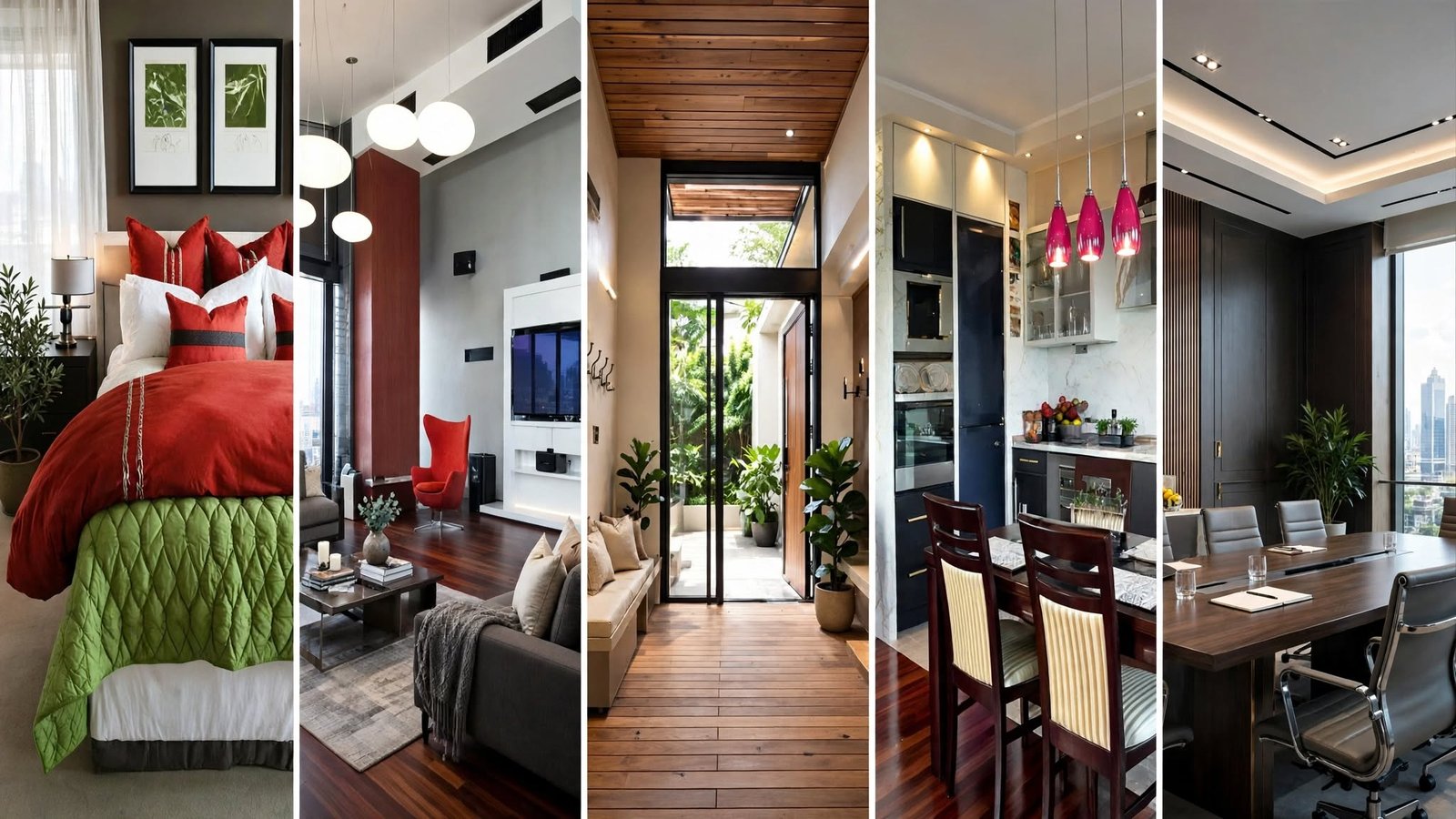
Interior design is often associated with beautiful furniture, attractive color schemes, stylish décor, and carefully selected finishes. However, the most important thing in interior design is not simply how a room looks. The foundation of successful interior design is creating a space that works effectively for the people who use it, balancing functionality, comfort, visual appeal, and personal needs.
A well-designed interior should make everyday life easier while also creating an atmosphere that feels inviting and intentional. Whether you are designing a small apartment, a family home, an office, or a commercial space, the goal should be to understand how the space will be used and then make design decisions that support those activities.
Why Functionality Is the Foundation of Interior Design
Functionality is one of the most important principles of interior design because even the most attractive room can become frustrating when it does not serve its purpose. A living room needs comfortable seating and enough space for movement, a kitchen needs an efficient workflow, and a bedroom needs to promote relaxation while providing practical storage.
When designers begin with functionality, every major decision becomes more purposeful. Furniture can be positioned according to how people move through the room, storage can be placed where it is most useful, and lighting can be selected according to the activities that take place in different areas.
A functional interior does not necessarily mean a plain or purely practical space. Instead, it means that beauty and usability work together rather than competing with each other. The strongest interior design solutions make practical features feel like natural parts of the overall aesthetic.
Understanding How a Space Will Be Used
Before choosing furniture, colors, materials, or decorative accessories, it is important to understand the purpose of the room. A designer should consider who will use the space, what activities will happen there, how frequently it will be used, and what specific requirements the occupants have.
For example, a home designed for a large family may require durable materials, generous storage, flexible seating, and clear circulation paths. A professional home office may place greater emphasis on task lighting, ergonomics, acoustic comfort, and an organized workspace.
This user-centered approach is essential because there is no single interior design solution that works for every person or property. A beautiful room that does not accommodate the habits and needs of its occupants may look impressive but fail as a functional environment.
The Importance of Space Planning
Space planning is another essential part of creating an interior that works. It involves deciding where furniture, fixtures, storage, pathways, and functional zones should be located so that the available space can be used efficiently.
Good space planning helps prevent common problems such as overcrowding, awkward furniture arrangements, blocked walkways, and areas that are difficult to access. It can also make a small room feel more spacious by ensuring that every element has a clear purpose.
Effective space planning should consider both the physical dimensions of a room and the way people move through it. A successful layout creates natural circulation and allows occupants to move comfortably without constantly navigating around furniture or obstacles.
Comfort Should Be Part of the Design
A successful interior should not only function well; it should also feel comfortable. Comfort can come from many different elements, including appropriate furniture, pleasant lighting, suitable temperatures, soft textures, acoustic control, and a layout that does not feel crowded.
Furniture selection plays a particularly important role in physical comfort. A sofa may look beautiful, but if it is uncomfortable or poorly sized for the room, it can reduce the overall quality of the space. The same principle applies to dining chairs, beds, desks, and other frequently used furnishings.
Visual comfort is equally important. Excessive patterns, harsh lighting, overly strong colors, or too many decorative objects can make a room feel overwhelming. A balanced combination of textures, colors, lighting, and open space can create an environment that feels calm and cohesive.
Creating Balance Between Beauty and Practicality
One of the central challenges in interior design is finding the right balance between aesthetics and functionality. A room should have visual character, but decorative choices should not interfere with how the space is used.
Color, texture, proportion, furniture, artwork, and accessories can all contribute to the appearance of an interior. However, these elements become more effective when they support the room’s purpose instead of being added simply to fill empty space.
For example, a practical storage unit can become an attractive design feature when it has a carefully considered finish and proportion. Similarly, functional lighting can also become a decorative element when the fixture complements the architectural style of the room.
Choosing the Right Color Scheme
Color has a powerful influence on the atmosphere and perceived character of an interior. It can make a room feel warmer, cooler, larger, smaller, more energetic, or more relaxing, depending on the shades and combinations selected.
However, choosing colors should go beyond following current trends. The appropriate color palette should reflect the function of the room, the amount of natural light available, the size of the space, and the preferences of the people who will live or work there.
A successful interior may use a neutral foundation with carefully selected accent colors, or it may embrace a more expressive palette. What matters most is that the colors work together and contribute to the intended mood of the space.
Lighting Can Transform an Interior
Lighting is one of the most overlooked yet essential elements of interior design. A carefully planned lighting scheme can improve functionality, highlight architectural features, influence mood, and make materials and colors appear more attractive.
Natural light should be considered whenever possible because it can make interiors feel brighter and more connected to the outdoors. Window placement, curtains, blinds, mirrors, and furniture positioning can all affect how natural light moves through a room.
Artificial lighting should provide a combination of general, task, and accent illumination where appropriate. This layered approach allows a space to adapt to different activities and times of day rather than depending on a single light source.
Furniture and Proportion Matter
Furniture should be selected according to the scale and proportions of the room. Oversized furniture can make a small interior feel cramped, while furniture that is too small may make a large room feel disconnected and unfinished.
Proportion also applies to the relationship between individual pieces. A large sofa may require appropriately scaled tables and lighting, while a compact seating arrangement may work better with smaller accessories and furnishings.
Considering dimensions before purchasing furniture can prevent expensive mistakes and improve the overall flow of the interior. Measurements, floor plans, and careful placement can help ensure that furniture fits both physically and visually.
Storage and Organization Improve Everyday Living
Storage is another important consideration when creating a functional interior. Without sufficient storage, even a beautifully designed room can quickly become cluttered, making it harder to maintain the appearance and functionality of the space.
Good interior design considers storage from the beginning rather than treating it as an afterthought. Built-in cabinets, multifunctional furniture, shelving, concealed storage, and carefully planned closets can provide practical solutions without overwhelming the room.
An organized interior can also contribute to a sense of calm. When everyday objects have designated places, surfaces remain clearer and the visual structure of the room becomes easier to maintain.
Personal Style Makes a Space Meaningful
Functionality provides the foundation, but personal style gives an interior its identity. A successful space should reflect the personality, preferences, lifestyle, and experiences of the people who use it.
Personalization can be introduced through artwork, photographs, furniture, textiles, colors, books, collections, and meaningful decorative objects. These elements can make a space feel individual rather than generic.
The key is to use personal elements thoughtfully. Instead of filling every available surface with decorations, select pieces that have visual or emotional value and allow them to contribute to the overall composition of the room.
Materials and Durability Should Be Considered
The materials used in an interior affect its appearance, comfort, maintenance requirements, and lifespan. Flooring, countertops, upholstery, cabinetry, wall finishes, and hardware should therefore be selected according to both aesthetic preferences and practical demands.
High-traffic areas may require materials that are particularly durable and easy to maintain, while spaces intended for relaxation may benefit from softer and warmer finishes. The best choice depends on the environment, the occupants, and the expected level of use.
Considering durability during the design process can also support long-term value. A material that looks attractive initially but requires excessive maintenance may not be the most practical choice for a busy household or commercial environment.
Why Good Interior Design Feels Natural
When an interior is designed successfully, the different elements tend to work together without feeling forced. Furniture supports the layout, lighting supports activities, colors establish atmosphere, storage reduces clutter, and decorative details reinforce the personality of the space.
This sense of harmony is created through careful planning rather than simply purchasing attractive products. Each design decision should have a reason, even when that reason is simply to create a particular visual or emotional effect.
The result should feel natural to the people who use the space. They should be able to move through it easily, find what they need, perform everyday activities comfortably, and feel that the environment reflects their lifestyle.
Common Interior Design Mistakes to Avoid
One common mistake is prioritizing appearance over functionality. Choosing furniture or décor solely because it looks attractive can result in rooms that are difficult to use, uncomfortable, or unsuitable for everyday life.
Another mistake is overcrowding the room. Too much furniture, excessive decoration, or poorly planned storage can reduce circulation and make even a relatively large space feel smaller.
Ignoring lighting, measurements, and the existing architectural features of a room can also create design problems. A successful interior design process considers the entire environment rather than treating individual pieces as separate decisions.
The Role of Simplicity in Interior Design
Simplicity can be particularly effective when designing a functional space. A simple interior does not have to be empty or boring; instead, it means that every major element has a clear purpose and contributes to the overall design.
Reducing unnecessary visual clutter allows important architectural features, furniture, artwork, and materials to receive more attention. It can also make a room easier to clean, organize, and adapt over time.
This principle is especially useful in smaller homes and apartments, where limited floor area requires careful decisions about what to include. Multifunctional furniture and purposeful storage can help maximize available space without sacrificing comfort or style.
Designing for Long-Term Use
Interior design should ideally respond not only to current needs but also to future changes. Families grow, lifestyles change, work patterns evolve, and preferences develop over time, so flexibility can be a valuable part of the design process.
Adaptable furniture, movable lighting, flexible layouts, and versatile rooms can allow an interior to change without requiring a complete redesign. This approach can make a space more sustainable and practical over the long term.
A timeless foundation can also provide flexibility. While trends can be incorporated through smaller and easily replaceable elements, the major components of an interior can remain functional and visually relevant for many years.
What Is the Most Important Thing in Interior Design?
The most important thing in interior design is creating a space that genuinely works for the people who use it. A successful interior combines functionality, comfort, proportion, lighting, organization, aesthetics, and personal expression rather than focusing on appearance alone.
Good interior design begins by asking practical questions: How will the space be used? Who will use it? What do they need? How should people move through it? What will make them comfortable? Once these questions are answered, aesthetic decisions become more meaningful and effective.
Ultimately, the best interior is not necessarily the one with the most expensive furniture or the latest design trends. It is the space in which form and function support each other, creating an environment that is practical, comfortable, visually cohesive, and genuinely suited to everyday life.
Conclusion
Creating a space that works is at the heart of effective interior design. While colors, furniture, décor, materials, and trends all contribute to the appearance of a room, their real value comes from how successfully they support the people and activities within that space.
By prioritizing functionality, thoughtful space planning, comfort, lighting, proportion, storage, durability, and personal style, homeowners and designers can create interiors that are both beautiful and useful. The strongest design does not simply make a room look better; it improves the way people experience and use that room every day.
