



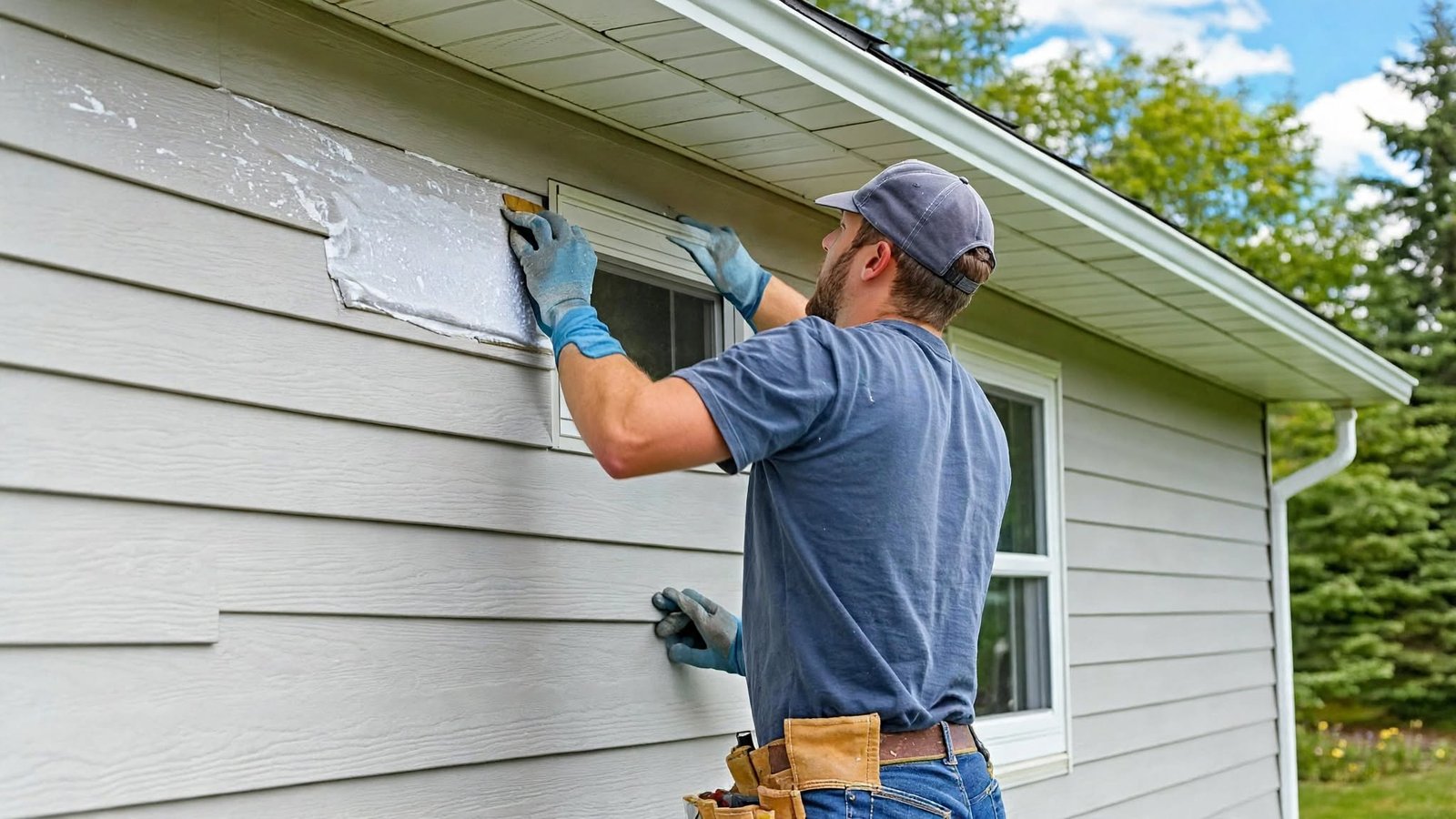
When people ask, “What is siding?” they are usually referring to the protective material installed on the exterior walls of a house. Siding serves both a practical and aesthetic purpose, helping shield a home from weather while also defining its overall appearance.
Exterior siding comes in many materials, colors, textures, and styles, allowing homeowners to choose an option that complements their property. From traditional vinyl and wood to fiber cement and engineered materials, the right siding can influence a home’s durability, maintenance needs, curb appeal, and long-term value.
What Is Siding on a House?
Siding is the outer covering attached to the exterior walls of a house. It creates a protective barrier between the home’s structure and outdoor conditions such as rain, wind, sunlight, snow, and changing temperatures.
Although siding is sometimes viewed mainly as a decorative feature, its function goes much deeper. Properly installed siding helps manage moisture, protects underlying wall materials, and contributes to the overall weather resistance of the exterior.
The siding system can also work alongside other components of the building envelope, including insulation, house wrap, flashing, and drainage systems. Together, these materials help protect the home’s interior structure from moisture intrusion and environmental exposure.
Why Is Siding Important for a Home?
One of the primary purposes of siding is to protect a house from the elements. Exterior walls are exposed to weather throughout the year, and prolonged exposure to moisture, intense sunlight, wind, and temperature changes can contribute to deterioration if the exterior is not properly protected.
Quality siding helps create a durable exterior layer that can withstand everyday environmental conditions. While no siding material is completely maintenance-free or immune to damage, selecting an appropriate material and maintaining it properly can help extend the life of a home’s exterior.
Siding can also have a significant impact on curb appeal. Because it covers such a large portion of a home’s exterior, its color, profile, texture, and finish can dramatically change how the property looks from the street.
How Siding Can Transform Your Home’s Appearance
Replacing siding is one of the more noticeable ways to update the exterior of a house. Older, faded, cracked, or damaged siding can make an otherwise well-maintained property appear dated, while new siding can give the home a cleaner and more cohesive appearance.
Modern siding is available in a wide range of colors and designs. Homeowners can choose styles that resemble natural wood, stone, or other traditional exterior finishes while benefiting from the characteristics of modern manufacturing.
The visual transformation can be especially significant when siding is coordinated with other exterior features. Roofing, trim, doors, windows, shutters, and landscaping can all work together with the siding to create a consistent architectural style.
Common Types of House Siding
Different types of siding offer different combinations of appearance, durability, maintenance requirements, and cost. Understanding these differences can help homeowners identify a material that suits both their home and their priorities.
Vinyl Siding
Vinyl siding is one of the most widely recognized siding materials for residential properties. It is made primarily from PVC and is available in numerous colors, profiles, and textures.
One of its main attractions is relatively simple maintenance. Vinyl siding generally does not require painting, although it should still be cleaned periodically and inspected for cracks, loose sections, or other damage.
Wood Siding
Wood siding provides a natural appearance that has remained popular for generations. Depending on the design, it can give a house a warm, traditional, rustic, or contemporary character.
However, wood typically requires more maintenance than some manufactured siding materials. Painting or staining, moisture management, inspections, and prompt repairs can be important for maintaining its appearance and performance.
Fiber Cement Siding
Fiber cement siding is manufactured from a mixture that commonly includes cement, cellulose fibers, and other components. It is designed to provide a durable exterior surface while offering styles that can resemble painted wood.
Fiber cement siding is available in various profiles and finishes, making it suitable for many architectural designs. Because installation can be more involved than some other siding options, homeowners should work with experienced installers who understand the manufacturer’s requirements.
Engineered Wood Siding
Engineered wood siding is manufactured to provide the appearance of wood while using engineered construction techniques. It is available in several textures, profiles, and colors.
This type of siding can provide a balance between traditional wood aesthetics and modern manufacturing. Its performance and maintenance requirements depend on the specific product, so homeowners should review manufacturer specifications before making a decision.
Metal Siding
Metal siding, including steel and aluminum options, can provide a distinctive and durable exterior finish. It is available in different profiles and coatings and can work particularly well with certain contemporary, industrial, or traditional home designs.
Metal siding can resist many common exterior problems, but it is not completely immune to damage. Dents, scratches, corrosion, and finish deterioration may occur depending on the material and environmental conditions.
What Are the Benefits of Exterior Siding?
A major benefit of exterior siding is its ability to protect the underlying structure of a house. By providing an exterior weather-resistant layer, siding can help reduce direct exposure to rain, wind, sunlight, and other environmental conditions.
Siding can also simplify exterior maintenance. Certain modern materials are designed to resist common problems such as fading, cracking, insect activity, or moisture-related deterioration, although maintenance requirements vary considerably by material.
Another important advantage is design flexibility. With numerous siding styles, colors, textures, and profiles available, homeowners can change the character of their property without altering the fundamental structure of the house.
Does Siding Improve Energy Efficiency?
Siding itself is not necessarily the same thing as insulation. Its primary role is to provide an exterior finish and protective barrier, while insulation is specifically designed to reduce heat transfer through the building envelope.
However, some siding systems can be installed as part of a larger exterior insulation strategy. Insulated siding, for example, incorporates insulation into the siding product and may provide additional thermal performance compared with standard siding.
The overall energy performance of a home depends on many factors, including wall construction, insulation levels, windows, doors, air sealing, roofing, and the heating and cooling system. For that reason, replacing siding alone should not automatically be expected to produce a major reduction in energy bills.
How Long Does House Siding Last?
The lifespan of siding depends on the material, installation quality, climate, exposure, maintenance, and product specifications. Different siding materials can have significantly different service lives.
Regular inspections can help homeowners identify problems before they become more extensive. Cracks, warping, loose panels, discoloration, rot, holes, or moisture-related damage may indicate that siding requires repair or replacement.
Proper installation is equally important. Even a high-quality siding product can perform poorly if it is installed incorrectly or if important components such as flashing and moisture-management systems are neglected.
Signs Your House May Need New Siding
Visible damage is one of the clearest signs that siding may need attention. Cracked, broken, warped, rotting, or loose sections can compromise both the appearance and protective function of the exterior.
Persistent moisture problems can also be a warning sign. Staining, mold-like growth, peeling interior paint, or evidence of water intrusion may indicate an issue with the exterior wall system that should be investigated rather than simply covered with new siding.
Fading and widespread deterioration may also signal that the siding is approaching the end of its useful life. In some cases, repairs or repainting may be sufficient, while extensive deterioration may make replacement more practical.
How Much Does House Siding Cost?
The cost of siding depends on several factors, including the size of the house, material selected, labor rates, removal of existing siding, installation complexity, trim and flashing requirements, and any necessary repairs to the underlying structure.
Materials such as vinyl may have different upfront costs from wood, fiber cement, engineered wood, or metal siding. The cheapest initial option is not necessarily the least expensive over the entire service life, because maintenance requirements and expected durability can also affect long-term costs.
Before starting a siding project, homeowners should obtain detailed estimates that explain materials, labor, preparation, removal, disposal, warranties, and any additional work. Comparing estimates based on the same scope of work makes the differences between proposals easier to understand.
Choosing the Right Siding for Your House
The best siding for a particular house depends on more than appearance. Homeowners should consider the local climate, architectural style, maintenance expectations, budget, durability requirements, and installation requirements before selecting a material.
Climate is especially important because siding is continuously exposed to local weather conditions. A material that performs well in one environment may have different maintenance or durability considerations in another.
It is also worth considering how the siding will look several years after installation. Color stability, cleaning requirements, repainting needs, and the availability of replacement materials can all influence the long-term ownership experience.
Professional Siding Installation Matters
Siding should be installed according to the requirements of the specific product and the home’s exterior wall system. Proper installation involves more than attaching panels or boards to the wall.
Details around windows, doors, corners, roof intersections, and other openings require careful attention to water management. Incorrect installation can allow moisture to enter areas that are difficult to inspect and potentially cause damage behind the siding.
For major siding projects, working with an experienced professional can help ensure that the material is installed correctly and that related exterior components are addressed as needed.
How to Maintain Exterior Siding
Routine siding maintenance generally begins with visual inspections. Homeowners can periodically look for cracks, holes, loose sections, discoloration, stains, damaged trim, or other changes in the exterior.
Cleaning requirements depend on the siding material. Some products can be cleaned with mild soap and water, while others may have specific manufacturer recommendations that should be followed to avoid damaging the finish.
Trees, shrubs, and other landscaping should also be managed so that branches or vegetation do not continuously rub against the siding. Keeping drainage systems functioning properly can further help reduce unnecessary moisture exposure around the exterior.
Final Thoughts on House Siding
So, what is siding? Simply put, siding is the exterior covering of a house that combines protection with visual appeal. It helps shield exterior walls from the elements while giving homeowners an opportunity to define the property’s architectural style.
Because siding represents such a large part of a home’s exterior, choosing the right material can have a lasting impact on appearance, maintenance, durability, and overall exterior performance.
Whether you are building a new house or considering a siding replacement, understanding the different materials, installation requirements, maintenance needs, and long-term considerations can help you make a more informed decision about your home’s exterior.

1 Comment
Pingback: Types of Siding: 10 Popular Options to Transform Your Home’s Exterior