



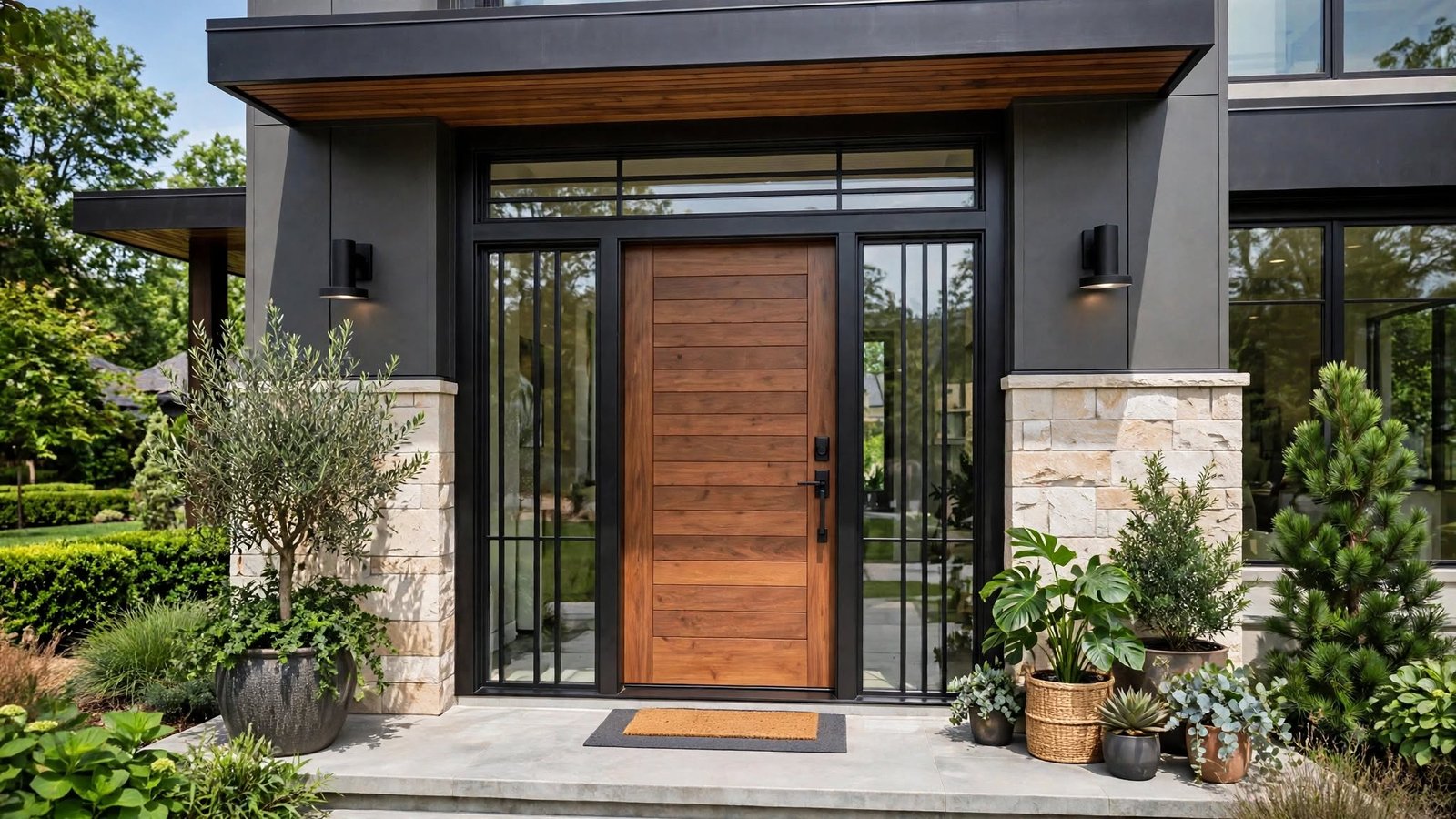
Replacing your front door may seem like a relatively small home improvement project, but it can deliver an impressive return compared with many larger remodeling investments. A new front door improves curb appeal, strengthens security, increases energy efficiency, and creates a more welcoming first impression. For homeowners looking to increase property value without committing to an expensive renovation, upgrading the entry door is one of the smartest places to start.
The reason is simple: the front door plays an outsized role in how people perceive a home. It is one of the first features visitors, potential buyers, and even neighbors notice. A worn, outdated, or poorly maintained entrance can make an otherwise attractive property appear neglected, while a modern, well-designed door can instantly elevate its overall appearance. This combination of visual impact, practical benefits, and relatively manageable installation costs makes a new front door an appealing investment in residential remodeling.
Why the Front Door Has Such a Strong Influence on Home Value
A home’s exterior establishes expectations before anyone steps inside. Buyers often form an initial impression within seconds of seeing a property, and the front entrance is a major part of that experience. An attractive front door creates a sense of care, quality, and attention to detail that can positively influence how the entire property is perceived.
Unlike certain interior renovations that may only appeal to specific tastes, a front door improvement has broad visual appeal. Almost every visitor approaches the home through this entrance, making it a highly visible feature with an important functional purpose. A fresh design, coordinated hardware, and a clean finish can make an older property look more contemporary without requiring extensive exterior renovations.
There is also a psychological element to the investment. A beautiful entrance suggests that the property has been maintained and thoughtfully improved. Although a new door cannot compensate for significant structural or maintenance problems elsewhere, it can help establish a stronger first impression and encourage prospective buyers to view the rest of the home positively.
The Financial Advantage of Replacing a Front Door
One of the biggest reasons homeowners consider a front door replacement is its potential return on investment. Compared with major remodeling projects such as kitchen overhauls, bathroom expansions, or complete room additions, replacing an entry door generally requires a smaller financial commitment. Yet the improvement can be immediately noticeable from the street.
The actual return depends on several factors, including the door’s material, installation quality, local property market, labor costs, and the condition of the existing entrance. Industry remodeling cost-versus-value studies have frequently identified entry door replacements as competitive projects for resale value, particularly when homeowners choose attractive, durable products that complement the property’s architectural style.
However, it is important to distinguish between increased resale value and direct financial profit. A replacement door does not automatically add its entire purchase and installation cost to a home’s market price. Instead, its value comes from improving the property’s presentation, functionality, and buyer appeal while potentially reducing concerns about future maintenance.
For homeowners planning to sell, this can be especially useful. A relatively modest exterior improvement may help a property stand out among comparable listings, making the entrance look more inviting in photographs, online listings, and in-person viewings.
Curb Appeal: A Small Upgrade with a Big Visual Impact
Curb appeal is one of the most important considerations in residential remodeling because it shapes the way people experience a property before entering it. The front door naturally becomes a focal point, particularly when it contrasts attractively with the surrounding siding, brickwork, stone, or exterior paint.
Choosing the right door design can transform an ordinary entrance into a defining architectural feature. A traditional home might benefit from a classic panel door with elegant hardware, while a contemporary property could look better with clean lines, understated glazing, and a minimalist finish. Even changing the door color can create a dramatic improvement when the shade complements the exterior palette.
Homeowners should also consider the surrounding details. Updated house numbers, modern lighting, attractive handles, and a well-maintained entryway can work together to create a polished appearance. These finishing touches do not necessarily require a large budget, but they can make the replacement door look like part of a carefully planned exterior renovation.
The most successful approach is to select a design that enhances the existing architecture rather than choosing something solely because it is currently fashionable. A timeless appearance is often more appealing to a wider range of potential buyers and can remain attractive for many years.
Energy Efficiency and Lower Household Expenses
A front door does more than improve appearance. It also plays an important role in maintaining comfortable indoor temperatures and controlling unwanted air movement. Older doors can develop gaps around their frames, deteriorating weatherstripping, warped panels, or damaged seals that allow outside air to enter the home.
These problems can make heating and cooling systems work harder than necessary. During hot weather, poorly sealed entrances may allow warm air to enter, while in colder conditions, they can contribute to uncomfortable drafts and heat loss. Replacing an inefficient door with a properly insulated and professionally installed model can help improve the home’s thermal performance.
Modern exterior doors are available with insulated cores, improved weather seals, and energy-conscious glazing options. Fiberglass and insulated steel models can provide particularly useful thermal performance, although the overall result depends on the complete door system rather than the panel alone. Frame construction, installation quality, thresholds, and weatherstripping all influence how effectively the entrance prevents air leakage.
For homeowners, the benefits may include more consistent indoor temperatures, improved comfort near the entrance, and potentially lower energy consumption. Actual savings vary according to climate, energy prices, household usage, and the condition of the previous door, so energy efficiency should be viewed as an additional advantage rather than a guaranteed financial return.
Better Security and Greater Peace of Mind
The front entrance is one of the most important access points in any home. An old or damaged door may have weakened hinges, unreliable locks, deteriorating frames, or other vulnerabilities that compromise security. Replacing it provides an opportunity to improve the entire entry system rather than simply changing its appearance.
A quality replacement door should be paired with appropriate locking hardware, reinforced strike plates, sturdy hinges, and a properly secured frame. Multi-point locking systems can provide additional protection by securing the door at several points along its edge, depending on the product design.
Material selection also matters. Steel doors are often chosen for their strength, while fiberglass doors can offer a combination of durability, insulation, and attractive finishes. Solid wood doors remain appealing for their natural appearance, although they generally require more attention to maintenance and protection against moisture.
It is worth remembering that no door material alone guarantees security. A strong door installed in a weak or poorly secured frame may still leave the entrance vulnerable. Professional installation and correctly selected hardware are therefore just as important as the door itself.
Choosing the Right Material for Long-Term Value
Selecting the right material is one of the most important decisions in a front door replacement project. The ideal choice should balance appearance, durability, maintenance requirements, energy performance, and budget.
Fiberglass doors have become popular because they can imitate the appearance of natural wood while offering good resistance to many common weather-related problems. They generally require less maintenance than traditional wood and are available in numerous finishes, colors, and styles. For homeowners seeking an attractive, practical option, fiberglass can provide an appealing balance.
Steel doors are another strong choice, particularly for those who prioritize security and affordability. Many modern steel models feature insulated cores that help improve energy efficiency. They are also relatively low-maintenance, although their protective finish should be kept in good condition to reduce the risk of corrosion, especially in humid or coastal environments.
Wood doors offer a distinctive appearance that can add warmth and character to traditional and upscale properties. Their natural grain, texture, and craftsmanship can make an entrance feel especially inviting. However, wood may require periodic painting, staining, sealing, or other maintenance to protect it against moisture, temperature changes, and sunlight.
Rather than automatically choosing the most expensive material, homeowners should consider the property’s architectural style, local climate, expected maintenance, and long-term ownership plans. A well-selected door that suits the home will generally be a better investment than an expensive design that looks out of place.
Professional Installation Makes the Difference
Even an excellent front door may fail to deliver its expected benefits if it is installed incorrectly. Proper installation involves more than fitting a new panel into an existing opening. The frame must be appropriately sized, aligned, secured, sealed, and insulated to prevent drafts, water intrusion, and operational problems.
An improperly installed door may stick, fail to close smoothly, allow air leakage, or create gaps that compromise security. Water can also enter through poorly sealed joints, potentially damaging surrounding trim, flooring, and structural components over time.
Before installation, contractors should assess the condition of the existing frame, threshold, surrounding structure, and weatherproofing. If these components are damaged, replacing only the door panel may not solve the underlying problems. Addressing the complete entrance system can help protect the investment and reduce the likelihood of future repairs.
Homeowners should request a detailed estimate that explains the cost of the door, hardware, removal of the old unit, installation, finishing, and any necessary repairs. Comparing complete installation costs rather than advertised door prices makes it easier to evaluate the true financial commitment.
Design Choices That Make a Front Door More Appealing to Buyers
A front door should reflect the character of the home while creating an attractive focal point. The best design choices usually combine visual simplicity, quality materials, and finishes that coordinate with the surrounding exterior.
Color is particularly influential. Deep charcoal, black, navy, rich brown, and muted natural tones can create a sophisticated appearance, while brighter colors may add personality to homes with suitable architectural styles. The important consideration is how the chosen shade works with the exterior walls, windows, roof, and landscaping.
Glazing is another feature worth considering. Decorative glass panels and sidelights can introduce natural light into an entrance while creating a more open appearance. However, homeowners should consider privacy, security, and the type of glass used. Frosted or textured glass can provide daylight without making the interior unnecessarily visible from outside.
Hardware should complement the overall design. Handles, locks, knockers, and hinges in coordinated finishes can make the entrance look more refined. Choosing durable hardware is also a practical decision because these components experience frequent use and should continue functioning reliably over time.
The goal is not to create the most elaborate entrance on the street. It is to make the home’s existing architecture look more complete, attractive, and well maintained.
Is a New Front Door Better Than Other Remodeling Projects?
Homeowners often have limited remodeling budgets and must decide which improvements deserve priority. Kitchen renovations, bathroom upgrades, landscaping, window replacements, and exterior painting can all contribute to property value, but they differ considerably in cost, complexity, and buyer appeal.
A new front door has an advantage because it addresses several concerns at once. It improves the property’s appearance, supports security, can reduce unwanted air leakage, and gives visitors a more positive first impression. It is also generally less disruptive than remodeling an entire room or changing the layout of a property.
That does not mean a front door replacement is always the best investment for every home. If the kitchen is severely outdated, the roof needs urgent repairs, or the property has significant structural problems, those issues may deserve attention first. Necessary maintenance should take priority over cosmetic improvements.
However, when the property is generally in good condition and the existing entrance looks worn or outdated, a new front door can be an effective way to achieve a noticeable improvement without undertaking a major renovation. Its relatively limited scope makes it particularly attractive for homeowners preparing a property for sale.
Common Mistakes to Avoid When Replacing a Front Door
One common mistake is choosing a door based entirely on appearance. A beautiful model may look impressive in a showroom, but it must also suit the property’s climate, security requirements, maintenance expectations, and installation conditions. Homeowners should evaluate performance specifications alongside design.
Another mistake is overlooking the existing frame. If the frame is damaged, poorly aligned, or affected by moisture, installing a new door without addressing those problems can lead to additional expenses. A proper inspection helps identify potential issues before the project begins.
It is also important not to underestimate hardware and installation quality. Spending more on a premium door while choosing inadequate locks or inexperienced installers can reduce the overall value of the project. The entrance should be treated as one complete system, with every component contributing to its performance.
Finally, homeowners should avoid over-customizing the entrance solely to follow short-lived design trends. Highly unusual colors, oversized decorative elements, or styles that conflict with the rest of the property may not appeal to a broad range of buyers. A balanced design is usually a safer long-term choice.
How to Maximize the Return on a Front Door Investment
Getting the most value from a replacement door starts with understanding the home’s current condition. If the existing entrance is visibly damaged, difficult to operate, poorly insulated, or outdated, replacing it may address several shortcomings in one project.
Homeowners should research materials carefully and compare products based on durability, insulation, security features, warranties, and maintenance requirements. The lowest initial price is not always the most economical option if the product requires frequent repairs or replacement.
It is equally important to consider the surrounding exterior. A new door will have a stronger visual impact when the entrance area is clean, properly lit, and free from peeling paint or damaged trim. Simple improvements to the porch, steps, doorframe, and landscaping can help create a cohesive appearance without significantly expanding the renovation budget.
For those planning to sell, it is sensible to choose a door that complements nearby properties and appeals to the likely buyer demographic. The objective is to improve the home’s overall presentation rather than spend unnecessarily on features that may not influence the final selling price.
Keeping receipts, product specifications, warranty information, and installation documentation is another useful step. These records can help demonstrate the quality of the improvement and provide useful information to prospective buyers.
Why a New Front Door Is a Smart Starting Point for Remodeling
Not every worthwhile home improvement requires a major construction project or a substantial financial commitment. Sometimes, the most effective upgrade is a relatively small change in a highly visible part of the property.
A new front door offers a combination of practical and aesthetic benefits that few other small-scale improvements can match. It can refresh the exterior, improve the entrance’s security, support better insulation, reduce maintenance concerns, and create a more welcoming experience for everyone entering the home.
Its value is especially compelling when the existing door is visibly worn or no longer performs as it should. In these circumstances, replacement is not simply a cosmetic decision; it is an opportunity to improve an important part of the home’s overall condition and functionality.
Final Thoughts: A Small Investment with Lasting Benefits
A new front door may not be the largest renovation a homeowner undertakes, but it can be one of the most noticeable. Its influence extends beyond appearance, combining curb appeal, energy performance, security, durability, and everyday convenience in a single improvement.
For homeowners looking to strengthen their property’s market appeal without committing to a major remodeling project, replacing an outdated entry door is a practical place to begin. The strongest results come from choosing a suitable material, selecting a design that complements the property, investing in quality hardware, and ensuring professional installation.
Ultimately, the easiest equity boost is not necessarily the most expensive improvement. It is the upgrade that delivers meaningful benefits, addresses visible shortcomings, and makes the home more attractive and functional for years to come. A thoughtfully selected new front door can accomplish all three, making it a smart and worthwhile addition to a broader home improvement strategy.
