



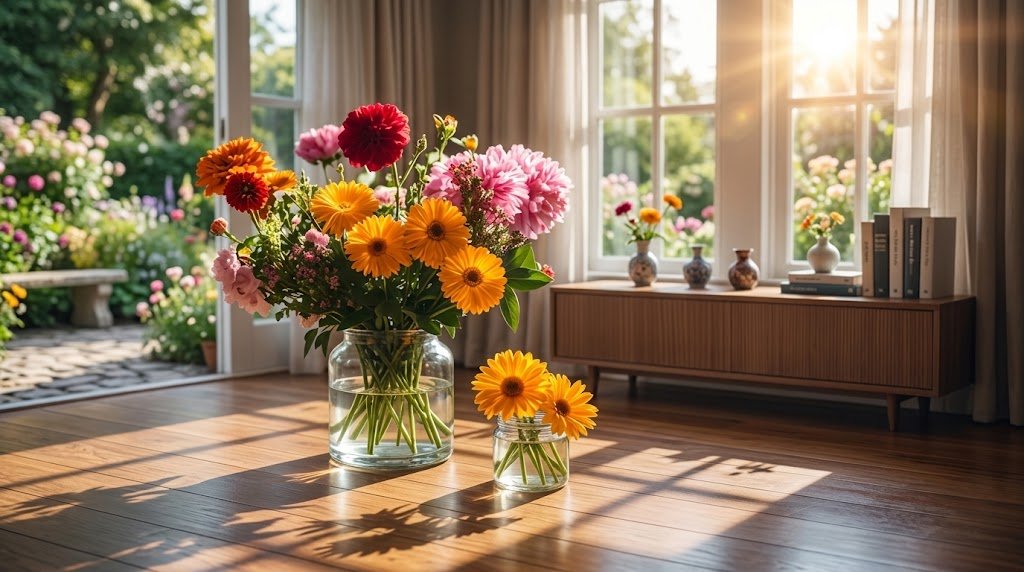
Flowers have been admired for centuries for their beauty, fragrance, and connection to nature, but many flowers also have a long history of use in traditional wellness practices. From calming herbal teas to aromatic flowers used in relaxation rituals, certain plants are valued for the ways they may support physical and emotional well-being.
The term health flowers can refer to flowers that are traditionally used in food, herbal preparations, aromatherapy, personal care, or simply as a natural way to create a more pleasant and relaxing environment. While flowers should not replace professional medical care, learning about their traditional uses can help you better appreciate the relationship between plants, nature, and everyday wellness.
What Are Health Flowers?
Health flowers are flowering plants that are associated with traditional health, wellness, or self-care practices. Some are consumed as teas or culinary ingredients, while others are used for their fragrance, soothing properties, or naturally occurring plant compounds.
Examples commonly associated with wellness include chamomile, lavender, rose, hibiscus, calendula, and jasmine. Each flower has its own characteristics and traditional applications, and the potential benefits can vary depending on how the flower is prepared and used.
Flowers contain a variety of naturally occurring compounds, including antioxidants, essential oils, pigments, and other plant chemicals. Research into these compounds continues to explore how different flowers may contribute to wellness, although evidence is stronger for some uses than others.
Chamomile Flowers and Relaxation
Chamomile is one of the best-known flowers associated with relaxation and traditional herbal wellness. Chamomile tea is widely enjoyed before bedtime or during quiet moments because of its mild flavor and comforting aroma.
Chamomile contains naturally occurring compounds such as apigenin, which has been studied for its potential interaction with certain receptors in the brain. Although research is ongoing and results should not be interpreted as a guarantee of a medical effect, chamomile is commonly incorporated into relaxing evening routines.
For many people, the experience of preparing and drinking a warm cup of chamomile tea may itself contribute to relaxation. Creating a calm routine, reducing screen exposure, and taking time to unwind can all support healthier sleep habits.
Lavender Flowers for Calm and Aromatic Wellness
Lavender is another popular flower used in wellness routines, particularly because of its distinctive fragrance. Lavender flowers and lavender essential oil are frequently associated with relaxation, aromatherapy, bath products, candles, and personal-care rituals.
The scent of lavender has been studied in connection with relaxation and mood, although individual responses can differ considerably. Some people find its aroma soothing, while others may prefer different floral scents.
Lavender can be incorporated into everyday self-care in simple ways, such as enjoying its fragrance in a well-ventilated room or using appropriately prepared products according to their directions. Essential oils are highly concentrated, so they should be handled carefully and generally should not be swallowed unless a qualified professional specifically recommends a safe preparation.
Rose Flowers and Emotional Well-Being
Roses are traditionally associated with beauty, love, and emotional comfort, but they also have a place in various culinary and wellness traditions. Rose petals and rose water are used in different cultures in beverages, desserts, skin-care products, and aromatic preparations.
The fragrance of roses can contribute to a pleasant sensory environment, which may make flowers useful as part of relaxation and self-care routines. Spending time around flowers may also encourage people to slow down and engage more consciously with their surroundings.
Rose-based products can vary significantly in quality and formulation. Products intended for consumption should be clearly labeled as food-grade, while cosmetic preparations should be used according to their intended purpose.
Hibiscus Flowers and Antioxidant Compounds
Hibiscus is a vibrant flowering plant that is especially popular as an herbal infusion. Hibiscus tea has a naturally tart flavor and a deep red color created by plant pigments, including anthocyanins.
These colorful compounds have antioxidant properties, which means they can help protect cells from oxidative processes in laboratory and biological contexts. Hibiscus has also been investigated for potential effects on cardiovascular health, including blood pressure, but it should not be considered a substitute for prescribed treatment.
Because hibiscus beverages can interact with certain medications or may not be appropriate for everyone, people with medical conditions or those taking medication should seek professional advice before consuming concentrated or medicinal amounts.
Calendula Flowers for Traditional Skin Care
Calendula, sometimes called pot marigold, has a long history in traditional skin-care practices. Calendula preparations are commonly found in creams, ointments, lotions, and other topical products designed to support the appearance and comfort of the skin.
The flower contains various plant compounds that have attracted scientific interest, including flavonoids and carotenoids. Research has explored calendula for several topical applications, although the strength of evidence varies depending on the specific use and preparation.
When using a new botanical product on the skin, it is sensible to follow the product instructions and consider a small patch test, particularly if you have sensitive skin or a history of plant allergies.
Jasmine Flowers and Aromatherapy
Jasmine is widely appreciated for its rich, sweet fragrance and is frequently used in perfumes, cosmetics, teas, and aromatherapy. Its scent can create a relaxing and pleasant atmosphere, making jasmine a popular choice for sensory wellness.
Jasmine tea is produced by combining tea leaves with jasmine blossoms so that the leaves absorb the flower’s aroma. Because the finished beverage usually contains tea leaves, it may contain caffeine, depending on the type of tea used.
Jasmine essential oil is much more concentrated than jasmine flowers and should therefore be used carefully. Proper dilution and following the instructions of a reputable product are important when incorporating essential oils into personal wellness routines.
How Flowers May Support Mental Well-Being
The potential value of flowers is not limited to their chemical composition. Their colors, fragrances, natural forms, and association with outdoor environments can contribute to a more pleasant sensory experience.
Having fresh flowers or flowering plants in a living or working space may also encourage people to interact with nature. Even simple activities such as watering plants, arranging flowers, gardening, or spending time outdoors can provide opportunities to pause and reduce the sense of a constantly busy routine.
Flowers should not be presented as a cure for anxiety, depression, or other mental health conditions. However, incorporating nature and enjoyable sensory experiences into daily life can be one small component of a broader approach to emotional well-being.
Flowers and Antioxidants
Many edible flowers contain naturally occurring antioxidants, although the amount and type can differ greatly between species and preparations. Antioxidants are compounds that help counter oxidative reactions in the body and are widely studied as part of nutrition and human health.
Flowers such as hibiscus and rose contain various plant pigments and polyphenolic compounds that have attracted scientific interest. However, laboratory antioxidant activity does not automatically mean that consuming a particular flower will produce a specific health outcome in humans.
For this reason, flowers are best considered as one possible part of a varied diet rather than a replacement for nutrient-rich fruits, vegetables, whole grains, legumes, and other established sources of beneficial plant compounds.
Flowers in Traditional Herbal Teas
Floral teas have been enjoyed across many cultures for generations. Depending on the flower, these beverages may be valued for their flavor, aroma, appearance, or traditional wellness associations.
Chamomile, hibiscus, rose, lavender, and other flowers can be prepared in different ways, but not every flower is safe to consume. Some ornamental flowers may have been treated with pesticides or may contain naturally occurring compounds that are unsuitable for human consumption.
Only flowers specifically identified as edible or intended for herbal use should be consumed. When purchasing dried flowers for tea, choosing products from reputable sources and following preparation instructions can help reduce unnecessary risks.
How to Include Health Flowers in Daily Life
There are many simple ways to enjoy flowers without treating them as medicine. Growing flowering plants at home, keeping fresh flowers in a room, visiting a garden, or using floral scents can make everyday surroundings more inviting.
Edible flowers can also be incorporated into certain foods and beverages when they are specifically grown and prepared for consumption. Rose petals, hibiscus, and other culinary flowers may add color, flavor, and visual appeal to recipes.
The key is to understand the difference between enjoying flowers as part of a lifestyle and using concentrated botanical products for therapeutic purposes. Everyday floral enjoyment is generally a different practice from taking high-dose extracts, supplements, or essential oils.
Safety Considerations When Using Health Flowers
Natural does not automatically mean safe for everyone. Some flowers can cause allergic reactions, interact with medications, affect certain medical conditions, or become harmful when consumed in concentrated forms.
Pregnant or breastfeeding individuals, young children, people with chronic health conditions, and anyone taking prescription medication should be especially cautious with herbal products. A healthcare professional can help determine whether a particular flower or botanical preparation is appropriate.
It is also important to distinguish between flowers intended for decoration and flowers intended for consumption. Ornamental flowers may contain pesticides, preservatives, or other substances that make them unsuitable for eating.
Choosing High-Quality Flower Products
When purchasing dried flowers, herbal teas, extracts, or topical products, look for clear labeling that identifies the plant and explains its intended use. Reputable manufacturers should provide appropriate ingredient information and usage directions.
For edible flowers, selecting products specifically labeled for culinary or herbal consumption is important. Flowers from florists, roadside locations, or unknown gardens should not automatically be considered safe to eat.
Quality can also vary depending on how flowers are grown, harvested, dried, stored, and processed. Keeping dried botanical products in suitable conditions can help preserve their quality and reduce exposure to moisture and contamination.
The Role of Flowers in a Healthy Lifestyle
Health flowers can complement a balanced lifestyle by bringing nature, fragrance, color, and traditional plant-based practices into everyday routines. Their greatest value may come from how they encourage people to create moments of relaxation, connection with nature, and mindful enjoyment.
At the same time, flowers should be viewed realistically. No single flower can provide all the nutrients or health benefits needed by the body, and claims that a particular flower can cure serious diseases should be approached with caution.
A healthy lifestyle is built from multiple habits, including a nutritious diet, regular physical activity, adequate sleep, stress management, social connection, and appropriate medical care. Flowers can be a pleasant addition to that lifestyle without being presented as a replacement for evidence-based healthcare.
Final Thoughts on Health Flowers
Health flowers offer an interesting connection between nature, traditional wellness, nutrition, and self-care. From calming chamomile and fragrant lavender to antioxidant-rich hibiscus and traditional skin-care calendula, different flowers have been appreciated for a wide range of purposes.
Their potential benefits depend on the particular flower, preparation, amount, and individual circumstances. Enjoying flowers as part of a balanced lifestyle can be a simple and rewarding way to bring more nature into everyday life while maintaining realistic expectations about what they can and cannot do.
Whether you enjoy a cup of floral tea, grow flowering plants, use a gentle floral fragrance, or simply spend time in a garden, flowers can contribute beauty and sensory pleasure to daily routines. With informed choices and appropriate safety precautions, health flowers can be an enjoyable part of a broader approach to well-being.
