


Laser eye surgery has become a popular option for people who want to reduce their dependence on glasses or contact lenses. For many patients, the appeal lies in the convenience of clearer vision without having to rely on corrective eyewear for everyday activities.
If you are considering laser eye surgery in Melbourne, understanding how the treatment process works can help you approach your decision with realistic expectations. From the initial consultation and eye assessment to the procedure itself and the recovery period, every stage plays an important role in determining whether laser vision correction is suitable for you.
What Is Laser Eye Surgery?
Laser eye surgery is a form of refractive eye surgery designed to correct common vision problems such as short-sightedness, long-sightedness and astigmatism. The treatment uses advanced laser technology to reshape the cornea, helping light focus more accurately on the retina.
Several types of laser vision correction are available, including LASIK, PRK and other surface-based procedures. Although the techniques differ, the overall goal is similar: to improve the way the eye focuses light and provide clearer vision.
The most appropriate procedure depends on factors such as your prescription, corneal thickness, eye health, lifestyle and individual visual requirements. This is why a detailed assessment is an essential part of the process.
The Initial Consultation
The first stage of laser eye surgery in Melbourne is usually a comprehensive consultation with an eye-care professional. This appointment is more than a simple vision test because the suitability of your eyes for laser treatment needs to be carefully assessed.
Your vision prescription, corneal shape, corneal thickness, tear film and general eye health may be examined as part of the assessment. Measurements of the eyes can help determine whether laser vision correction is appropriate and which procedure may be most suitable.
Your medical and eye history may also be discussed. Previous eye conditions, certain medications, changes in your prescription and other factors can influence whether treatment is recommended.
This consultation is also an opportunity to discuss your expectations. Laser eye surgery can significantly reduce dependence on glasses or contact lenses, but individual results vary, and it is important to understand what the procedure can realistically achieve.
Determining Your Suitability
Not everyone who wears glasses or contact lenses is automatically a suitable candidate for laser eye surgery. A thorough examination is needed to identify factors that could affect the safety or effectiveness of treatment.
Stable vision is generally an important consideration. Your eye specialist may also assess the health and thickness of your cornea, the condition of your eyes and whether your prescription falls within an appropriate treatment range.
Certain eye conditions or health circumstances may mean laser surgery is unsuitable or that another type of vision correction should be considered. In some cases, further assessment may be required before a treatment decision can be made.
The goal of the screening process is not simply to determine whether surgery can be performed. It is to establish whether laser eye surgery is a suitable option for your individual eyes and visual needs.
Preparing for Laser Eye Surgery
Once you have been assessed as suitable for treatment, you will receive instructions about preparing for the procedure. If you wear contact lenses, you may be asked to stop wearing them for a specified period before your assessment or surgery.
This is because contact lenses can temporarily affect the shape of the cornea. Allowing the cornea to return to its natural shape can help ensure that the measurements used for treatment planning are as accurate as possible.
You may also receive instructions about eye drops, makeup, skincare products and arrangements for the day of surgery. Following these instructions carefully can help the treatment and recovery progress as smoothly as possible.
It is also sensible to arrange transport home after the procedure. Although laser eye surgery is generally performed as a day procedure, your vision may be temporarily blurred or uncomfortable immediately afterwards.
What Happens During the Procedure?
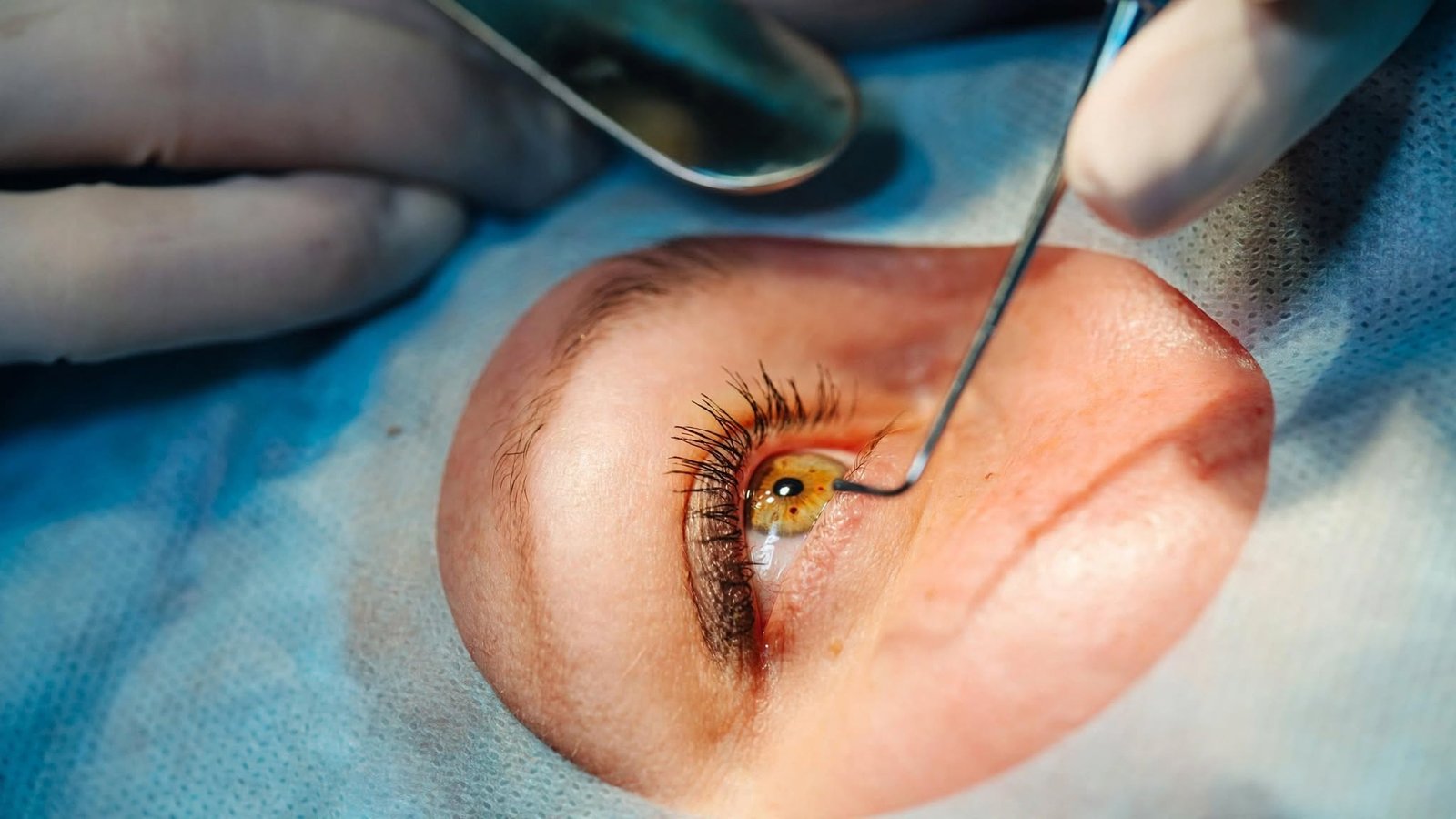
The actual laser eye surgery procedure is usually relatively quick. Before treatment begins, numbing eye drops are applied to help minimise discomfort.
The exact steps depend on the type of laser vision correction being performed. With LASIK, for example, a thin flap is created in the cornea before an excimer laser reshapes the underlying corneal tissue according to the patient’s prescription.
In surface procedures such as PRK, the approach to the outer layer of the cornea is different, and the healing process can take longer. Your surgeon will explain the specific technique recommended for you before treatment.
During the laser portion of the procedure, sophisticated technology is used to deliver a carefully calculated treatment to the cornea. The aim is to modify its shape so that incoming light can be focused more effectively on the retina.
Is Laser Eye Surgery Painful?
Many patients are concerned about whether laser eye surgery will be painful. Because numbing eye drops are used during the procedure, significant pain is generally not expected while the laser treatment is being performed.
You may notice pressure, unusual sensations or temporary changes in your vision during different stages of the procedure. These sensations can vary depending on the treatment technique and individual sensitivity.
After surgery, some patients experience temporary watering, light sensitivity, irritation, dryness or a gritty sensation. These symptoms are generally part of the early healing process, although the experience differs between individuals and procedures.
Your eye-care team will provide specific aftercare instructions and may prescribe or recommend eye drops to support healing and manage temporary symptoms.
The First Few Hours After Surgery
The immediate period following laser eye surgery is an important part of the recovery process. Your vision may initially be blurry or fluctuate, and your eyes may feel sensitive to light.
For this reason, patients are generally advised to rest after treatment and avoid activities that could interfere with the healing eyes. You should follow the individual instructions provided by your treating eye specialist.
Vision can improve noticeably soon after some forms of laser eye surgery, while other procedures involve a more gradual recovery. The timeline depends on the surgical technique, your eyes and how they respond during healing.
It is important not to judge the final result based solely on your vision during the first few hours or days. Vision can continue to stabilise as the eyes recover.
The Recovery Period
Recovery following laser eye surgery varies depending on the procedure performed. Some patients return to many normal activities relatively quickly, while surface treatments such as PRK can involve a longer initial healing period.
During recovery, you may experience temporary dryness, glare, halos around lights or fluctuations in visual clarity. These symptoms can improve as the eyes heal, although the duration and severity can vary.
Your surgeon will advise you when it is appropriate to resume activities such as driving, exercising, swimming and returning to work. Following these recommendations is an important part of protecting the eyes during recovery.
Scheduled follow-up appointments also allow your eye-care professional to monitor healing and assess changes in your vision. These appointments provide an opportunity to identify and manage any concerns that arise during recovery.
When Can You Expect Clearer Vision?
One of the most common questions about laser eye surgery is how quickly vision will improve. The answer depends on the procedure and individual healing response.
Some patients experience a substantial improvement in vision shortly after treatment, while others notice gradual changes over the following days or weeks. With certain procedures, visual stabilisation can take considerably longer.
It is normal for vision to fluctuate during the early stages of recovery. Temporary dryness and other postoperative effects can also influence how clearly you see.
Rather than focusing on a specific timeline, patients should follow their surgeon’s advice and attend recommended follow-up appointments. These provide a more reliable way to assess how the eyes are healing.
Follow-Up Care After Laser Eye Surgery
Follow-up appointments are an important part of the laser eye surgery process. During these visits, your eye specialist can examine the healing process and monitor your visual results.
You may be advised to continue using prescribed eye drops or follow particular precautions for a period after surgery. These instructions can vary depending on the procedure and your individual circumstances.
Even if your vision feels good, attending follow-up appointments remains important. Some aspects of eye healing cannot be assessed simply by how your vision feels.
If you experience unexpected or worsening symptoms after surgery, you should contact your treating eye-care professional promptly rather than waiting for your next scheduled appointment.
Understanding the Potential Benefits
The primary reason people consider laser eye surgery is to reduce their dependence on glasses or contact lenses. For individuals who are suitable candidates, the procedure can provide greater convenience in everyday activities.
Activities such as exercising, travelling, swimming or simply waking up and seeing clearly can become easier without relying on corrective eyewear. The extent of this benefit varies from person to person.
However, laser eye surgery should not be viewed as a guarantee of perfect vision. Some people may still require glasses for particular activities, and natural changes in vision can occur over time.
A detailed consultation can help establish realistic expectations based on your prescription, eye health and treatment options.
Choosing Laser Eye Surgery in Melbourne
When researching laser eye surgery in Melbourne, it is important to look beyond the procedure itself. The experience and qualifications of the treating eye specialist, the technology used, the assessment process and the level of postoperative care are all relevant considerations.
A comprehensive consultation should give you an opportunity to ask questions about the recommended procedure, expected recovery, potential risks and alternative options. You should feel comfortable discussing your individual circumstances before making a decision.
It can also be useful to understand the complete treatment journey rather than focusing only on the surgery. A quality assessment, careful treatment planning and appropriate follow-up care are important components of refractive eye surgery.
Is Laser Eye Surgery Right for You?
Laser eye surgery can be an effective vision-correction option for appropriately selected patients, but suitability is highly individual. The fact that a person has a particular prescription does not automatically mean that laser surgery is the right choice.
A comprehensive eye examination is necessary to assess the health and characteristics of your eyes. Your specialist can then explain whether laser vision correction is appropriate and discuss the available treatment options.
Understanding the process before making a decision can make the experience less uncertain. From the first consultation through to recovery and follow-up care, each stage is designed to help achieve a safe and carefully planned outcome.
If you are considering laser eye surgery in Melbourne, arranging a professional assessment is the most appropriate starting point. A personalised consultation can provide information about your suitability, treatment options, expected recovery and what you can realistically expect from vision correction.
