



Selling a home in Los Angeles is a significant financial decision, and getting the best possible price usually requires careful planning rather than simply placing a property on the market. Buyers have plenty of choices, and even desirable homes need to be presented, priced, and promoted effectively to stand out.
Whether you are selling a single-family home, condo, townhouse, or another type of residential property, understanding what influences buyer decisions can make the process considerably smoother. From preparing your property to negotiating the final offer, every stage of the sale can affect your overall return.
Start by Understanding Your Local Market
Los Angeles has one of the most varied real estate landscapes in the country. Property values can differ substantially from one neighborhood to another, meaning that broad citywide averages may not accurately reflect what your particular home could command.
Before putting your property on the market, take time to understand what is happening in your immediate area. Look at recently sold homes, properties currently competing for buyers, and homes that were listed but did not sell.
The characteristics of your neighborhood also matter. Location, accessibility, nearby amenities, school options, views, lot size, architectural style, and the overall condition of surrounding properties can all contribute to buyer demand.
Knowing these factors gives you a stronger foundation for making decisions about pricing, improvements, and marketing.
Establish a Competitive Asking Price
One of the most important parts of selling a house in Los Angeles is choosing an appropriate asking price. Your price needs to attract attention while still reflecting the home’s actual market value.
An asking price that is too ambitious can discourage potential buyers before they ever schedule a showing. If the property sits on the market for too long, buyers may begin to wonder why it has not sold or assume that the seller is willing to accept a significant discount.
Pricing too low can create a different problem. Although a lower price may generate substantial interest, it could also reduce the amount you ultimately receive if the strategy does not generate enough competition.
A comparative market analysis can provide useful guidance by examining recently sold properties that are similar to yours in location, size, condition, and features. Current inventory and buyer demand should also be considered when determining the right launch price.
Focus on Improvements With a Purpose
Preparing your home for sale does not mean you have to renovate everything. In fact, spending heavily on upgrades that buyers do not value may not produce the return you expect.
Instead, concentrate on improvements that make the property look well maintained and ready for its next owner. Fresh paint, updated light fixtures, repaired doors, clean flooring, attractive landscaping, and minor maintenance can improve the overall impression without requiring a major renovation.
If your kitchen or bathrooms look dated, targeted improvements may also help. New hardware, modern fixtures, refreshed surfaces, or updated lighting can sometimes transform the appearance of a room without the expense of a complete remodel.
The key is to spend strategically. Before making a costly improvement, consider whether it is likely to influence buyer interest or increase the home’s perceived value.
Make the Exterior Stand Out
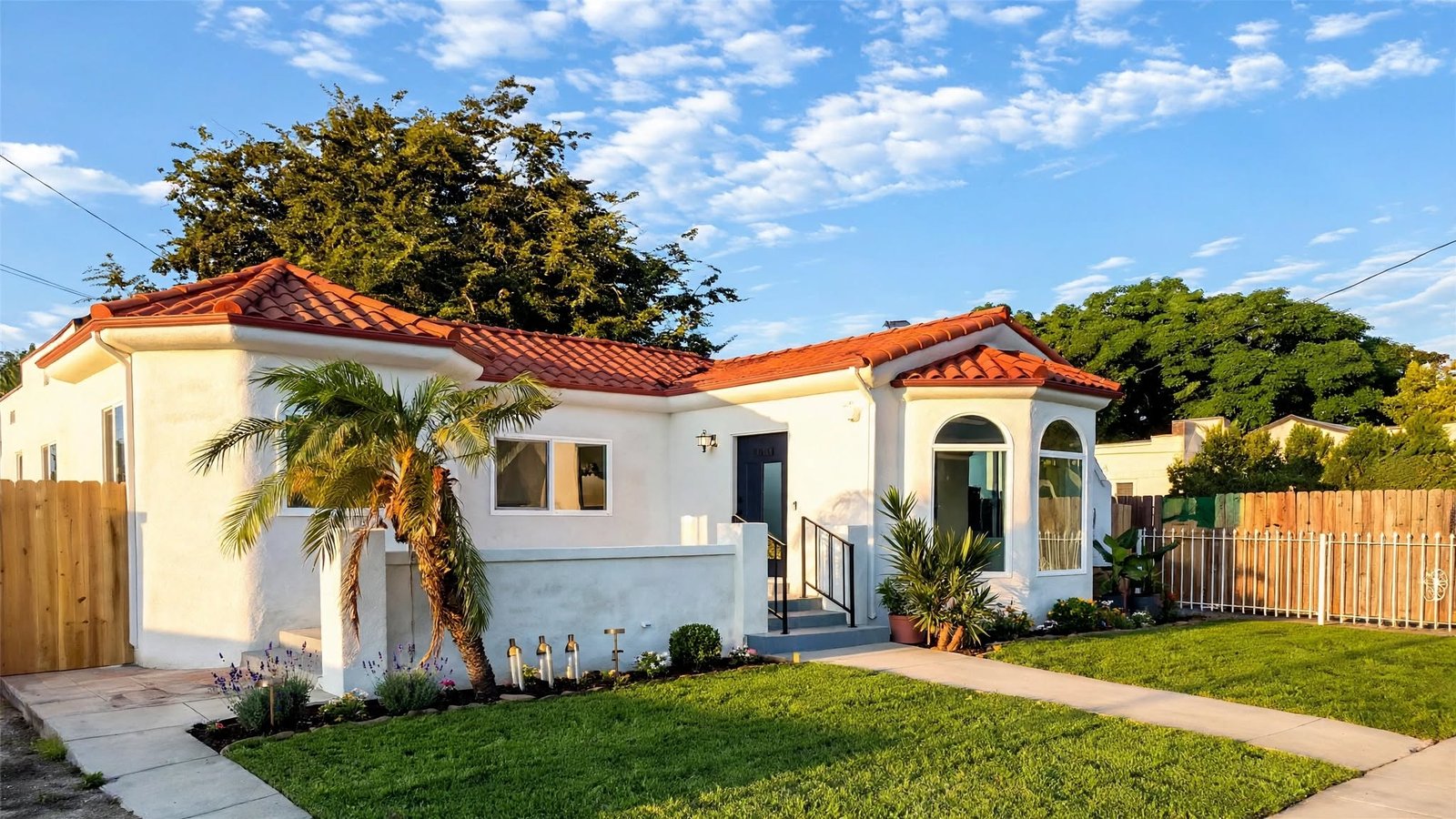
Your home’s exterior is often the first thing prospective buyers see, particularly when they encounter the property through online photographs. A neglected entrance or overgrown yard can create a poor first impression before the buyer has even stepped inside.
Simple maintenance can make a noticeable difference. Keep lawns and landscaping tidy, remove visible clutter, clean outdoor surfaces, and make the entrance feel inviting.
If your property has a patio, balcony, backyard, pool area, or other outdoor feature, make sure it is presented as part of the home’s overall lifestyle appeal. Los Angeles buyers may place considerable value on usable outdoor areas, depending on the neighborhood and property type.
Declutter Before Listing
A clean and organized home generally makes it easier for buyers to appreciate the available space. Too much furniture or personal belongings can make rooms appear smaller and prevent visitors from imagining how they might use the space themselves.
Begin by removing items that are unnecessary for everyday living. Organize closets, clear kitchen counters, simplify decorative displays, and consider storing bulky furniture if it makes rooms feel crowded.
Decluttering is not simply about making the property look neat. It allows architectural features, room sizes, storage areas, and other selling points to become more noticeable.
Consider Professional Home Staging
Staging can help create a polished appearance and guide buyers’ attention toward the home’s most attractive features. Furniture can be arranged to demonstrate how rooms function, while neutral décor can make the property feel more broadly appealing.
Not every property requires full professional staging. Some homes may benefit from partial staging or simply rearranging existing furniture and removing distracting items.
The appropriate approach depends on the property’s condition, price range, target buyers, and current competition. The objective is to create an environment where prospective buyers can easily picture themselves living there.
Use High-Quality Listing Photography
Online presentation has become a major part of the home-selling process. Many prospective buyers decide whether a property deserves a closer look based on its listing photos.
Professional photography can showcase the property’s layout, natural light, architectural details, outdoor spaces, and upgrades much more effectively than casual smartphone pictures.
Images should be bright, accurate, and professionally composed. Avoid photographs that exaggerate the size or condition of the property, because disappointed buyers may lose trust once they arrive for a viewing.
A strong set of photographs should tell a visual story and encourage qualified buyers to move from browsing to scheduling a showing.
Write a Listing Description That Sells the Property
Your property description should explain what makes the home worth considering. Rather than filling the listing with generic phrases, focus on specific features that genuinely distinguish the property.
Mention relevant upgrades, desirable design elements, parking, outdoor areas, views, floor plans, natural light, storage, and other characteristics that matter to prospective buyers.
Location can also be important. If the property provides convenient access to transportation, shopping, restaurants, entertainment, parks, employment centers, or other amenities, those benefits can be incorporated naturally into the description.
Good real estate copy should be informative as well as persuasive. Buyers want to understand what the property offers before they decide whether to arrange a private showing.
Choose a Strategic Listing Date
There is no universal date that guarantees a successful home sale. The ideal timing can depend on your neighborhood, competition, property type, buyer activity, and broader economic conditions.
Instead of focusing exclusively on a particular season, examine what the market looks like when you are ready to sell. If there are many comparable properties available, launching at the right time may help your listing receive more attention.
Your personal circumstances matter too. Preparing a home properly is generally more valuable than rushing onto the market simply because you believe a particular month is better.
Promote the Lifestyle Around Your Home
A Los Angeles property can offer more than square footage and bedrooms. Buyers may also be purchasing access to a particular lifestyle and neighborhood environment.
When appropriate, highlight genuine advantages associated with the property’s location. Depending on where the home is situated, that could include nearby restaurants, cultural attractions, outdoor recreation, transportation, shopping, employment centers, or entertainment.
The best marketing connects the home’s physical characteristics with the lifestyle it can provide. However, every claim should be accurate and supportable rather than exaggerated for marketing purposes.
Make Every Showing Count
Once buyers arrive at your property, presentation becomes critical. A home that looks clean, comfortable, bright, and well cared for can leave a stronger impression than one that feels unfinished or neglected.
Before a showing, remove clutter, clean the main living areas, open appropriate window coverings, and make sure the temperature is comfortable. Pay attention to kitchens, bathrooms, entrances, and outdoor areas because these spaces can strongly influence buyer perception.
Try to create a neutral environment that allows visitors to concentrate on the property itself. Personal items and excessive decorations can make it more difficult for buyers to envision the home as their own.
Evaluate Offers Beyond the Price
Receiving an offer is exciting, but the highest offer is not automatically the strongest one. When reviewing proposals, sellers should consider the entire package rather than focusing solely on the purchase price.
Financing arrangements, contingencies, deposit amounts, proposed closing dates, and other terms can affect how attractive an offer really is. An offer with a slightly lower price but fewer risks may ultimately provide a more predictable transaction.
Careful negotiation can also improve the overall outcome. Depending on the circumstances, sellers may negotiate price, repairs, credits, timing, or other terms before accepting an offer.
Know the Expenses Involved
Your gross sale price does not represent the amount you will necessarily walk away with. Selling a property can involve a range of expenses that should be considered before you put the home on the market.
Depending on the transaction, costs may include agent compensation, repairs, staging, photography, escrow and title expenses, closing costs, and potential tax obligations.
Understanding these expenses early can help you estimate your potential net proceeds and compare offers more realistically. Your real estate, tax, and legal professionals can provide guidance based on your individual circumstances.
Avoid the Temptation to Overprice
Homeowners naturally have an emotional connection to their property, which can sometimes lead to an inflated idea of its market value. While it is understandable to want the highest possible price, buyers ultimately determine what they are willing to pay.
An overpriced home may receive fewer showings and less serious interest. If the property remains available for an extended period, later price reductions may attract attention but can also signal that the original asking price was unrealistic.
A carefully researched launch price can create momentum from the beginning. The objective should be to position the home where qualified buyers see enough value to take action.
Select the Right Real Estate Agent
The person representing your property can have a major influence on the selling experience. When interviewing agents, consider more than their general sales history.
Look for someone who understands the specific Los Angeles area where your property is located and has experience with similar homes. Ask how they would determine the listing price, what marketing channels they would use, how they plan to attract buyers, and how they approach negotiations.
A good agent should be willing to explain their strategy clearly and support recommendations with relevant market information. Local knowledge can be particularly valuable because conditions can differ significantly between Los Angeles neighborhoods.
Prepare for Inspections and Disclosures
Buyers commonly want to understand the condition of a property before completing a purchase. Inspections may identify maintenance concerns, while seller disclosures provide important information about the home’s history and condition.
Taking care of known maintenance problems before listing can help reduce unpleasant surprises during negotiations. You do not necessarily need to repair every imperfection, but knowing what needs attention gives you greater control over the selling process.
Keep documentation related to significant repairs, improvements, permits, warranties, and other relevant property information when available. Because disclosure requirements can depend on the circumstances, sellers should work with qualified professionals to understand their obligations.
Look at the Entire Selling Strategy
Getting the best price when selling a house in Los Angeles is rarely the result of one decision. It is usually the result of several good decisions working together.
A properly prepared property attracts attention. Accurate pricing encourages serious buyers to consider it. Strong photography and marketing generate interest, while an effective showing experience can help turn that interest into offers.
Once offers arrive, thoughtful negotiation and careful evaluation can help you select a transaction that balances price with favorable terms and a reasonable level of risk.
Final Thoughts
Selling a house in Los Angeles successfully requires preparation, realistic expectations, and a clear understanding of what today’s buyers are looking for. A property does not have to be perfect to attract strong interest, but it should be presented in a way that makes its value easy to recognize.
Start with an informed assessment of your home’s market value. From there, make practical improvements, enhance curb appeal, declutter the interior, invest in professional marketing, and price the property competitively.
Most importantly, treat the sale as a complete strategy rather than a single transaction. When pricing, presentation, promotion, negotiation, and timing all work together, you can put yourself in a much stronger position to attract qualified buyers and achieve the best possible result from your Los Angeles home sale.
