



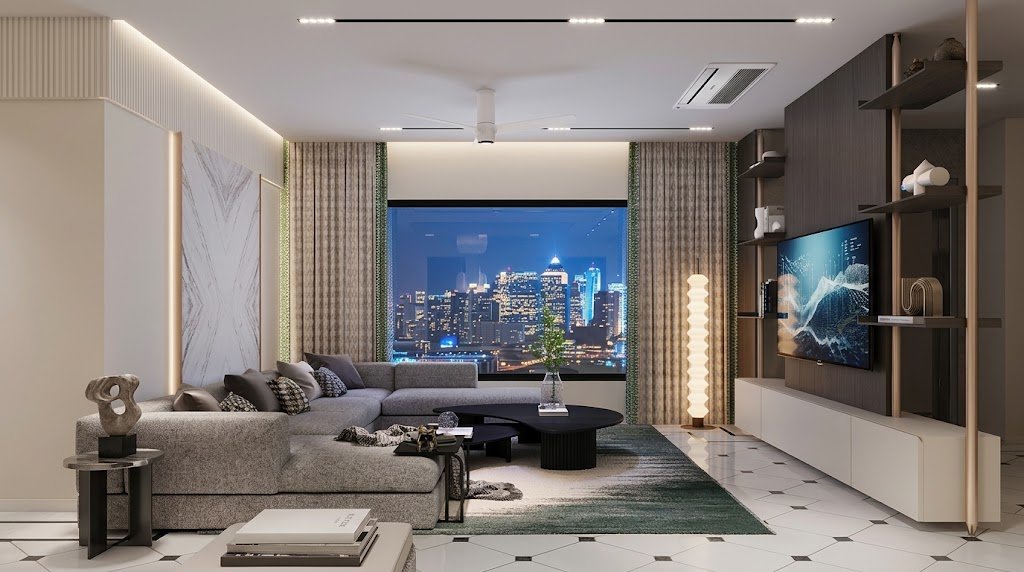
Interior design is more than choosing beautiful furniture or matching a few colors. It is the art of creating a space that feels comfortable, functional, balanced, and reflective of your personality.
Whether you are decorating a single room or redesigning your entire home, learning how to be better at interior design starts with understanding the fundamentals of space, color, proportion, lighting, texture, and layout. With the right approach, even simple design changes can make a room look more polished and intentional.
At MintPalDecor, we believe great interior design does not have to be complicated or expensive. By developing a stronger eye for detail and learning how different design elements work together, you can gradually transform ordinary spaces into beautiful and inviting interiors.
1. Understand Your Personal Design Style
One of the first steps in learning how to be better at interior design is discovering your personal style. Before purchasing furniture, paint, artwork, or accessories, think about the environments that naturally attract you.
You might prefer modern interiors with clean lines, traditional rooms with elegant details, minimalist spaces with neutral colors, or cozy interiors filled with warm textures. Your style does not need to fit into one specific category.
Create a collection of rooms, colors, furniture pieces, and decorative details that you love. Over time, patterns will appear, making it easier to understand your preferences and create a consistent design direction.
2. Learn How to Use Color Effectively
Color can dramatically influence the mood and appearance of an interior. Warm colors such as terracotta, beige, cream, and soft brown can make a room feel welcoming, while cool shades such as blue, green, and gray can create a calmer atmosphere.
Instead of choosing colors randomly, consider how they interact with one another. A successful interior usually has a dominant color, supporting colors, and smaller accent shades that add visual interest.
You should also consider natural and artificial lighting when selecting paint and fabrics. A color that looks soft and warm during the day may appear completely different under artificial lighting at night.
3. Pay Attention to Proportion and Scale
Proportion and scale are two of the most important concepts in interior design. A room can contain beautiful furniture and decorations but still look uncomfortable if the pieces are too large, too small, or poorly balanced.
For example, placing a tiny coffee table in front of a large sectional sofa can make the furniture arrangement feel disconnected. Similarly, an oversized piece of artwork may overwhelm a narrow wall.
Before buying furniture, measure your room and consider the dimensions of existing pieces. Maintaining a relationship between the size of your furniture and the size of your room will immediately make your interior feel more professional.
4. Improve Your Furniture Layout
Furniture placement can completely change how a room feels and functions. Instead of automatically pushing every piece of furniture against the walls, experiment with arrangements that encourage conversation, movement, and visual balance.
In a living room, for example, seating can be positioned around a central coffee table or focal point. In a bedroom, the bed usually works best as the visual anchor, with bedside furniture creating symmetry and convenience.
Always leave enough space for people to walk comfortably through the room. Good interior design should not only look attractive but should also make everyday life easier.
5. Use Lighting as a Design Feature
Lighting is one of the most powerful tools available to an interior designer. Even an exceptionally decorated room can feel flat if it has poor lighting.
Try to combine several types of lighting rather than relying on a single ceiling fixture. Ambient lighting provides general illumination, task lighting supports activities such as reading or working, and accent lighting highlights artwork, architectural details, or decorative objects.
Natural light should also be considered carefully. Use curtains and window treatments that allow you to control sunlight while maintaining privacy and enhancing the atmosphere of the room.
6. Add Texture for Depth and Character
A room that uses only one type of material or fabric can appear flat and uninteresting. Introducing different textures is an easy way to create depth and make an interior feel more sophisticated.
Consider combining materials such as wood, glass, metal, cotton, linen, wool, leather, and natural stone. Soft cushions can contrast with a wooden table, while a textured rug can add warmth to a smooth floor.
Texture becomes especially valuable in neutral interiors. When you use fewer colors, variations in materials and surfaces can provide the visual interest that keeps the room from feeling plain.
7. Create a Strong Focal Point
Every well-designed room benefits from a visual focal point. This is the element that naturally attracts attention when someone enters the space.
A focal point could be a fireplace, large artwork, statement light fixture, architectural feature, accent wall, or beautifully styled piece of furniture. Once you identify the focal point, arrange the surrounding elements so they support rather than compete with it.
Having a clear focal point helps create hierarchy within a room. It also prevents decorative elements from competing for attention.
8. Master the Art of Balance
Balance is what makes an interior feel visually comfortable. It does not necessarily mean that everything must be perfectly symmetrical.
Symmetrical balance uses similar or identical objects on opposite sides of a space, while asymmetrical balance uses different objects that have similar visual weight. Both approaches can work beautifully when used intentionally.
For example, one large floor lamp may visually balance several smaller decorative objects on the opposite side of a room. Learning to recognize visual weight is one of the skills that can significantly improve your interior design ability.
9. Choose Furniture for Both Beauty and Function
Good interior design should always consider how a space is actually used. A beautiful chair that is uncomfortable or a stylish table that provides no useful surface may not be the best choice.
Think about your lifestyle before selecting furniture. A family room may require durable fabrics and generous seating, while a small apartment may benefit from multifunctional furniture that saves space.
When every piece has a purpose, the room becomes easier to use and often looks more organized. Functionality and aesthetics should work together rather than compete with each other.
10. Use Artwork and Accessories Carefully
Decorative accessories can give a room personality, but too many objects can quickly make an interior feel cluttered. The goal is to select meaningful pieces that contribute to the overall design.
Artwork, mirrors, vases, books, sculptures, plants, and decorative objects can all add character when they are placed thoughtfully. Instead of filling every empty surface, allow some areas to remain visually quiet.
A carefully selected collection of accessories often has a stronger impact than a room filled with unrelated decorations. Quality, placement, and personal meaning can make simple objects feel much more sophisticated.
11. Learn How to Style Shelves and Surfaces
Shelves, consoles, coffee tables, and sideboards are opportunities to practice composition. Rather than arranging objects in a straight line, experiment with different heights, shapes, and textures.
For example, a tall vase can be placed next to shorter books or decorative objects to create variation. Grouping items in odd numbers can also create a more natural visual rhythm.
Remember to leave some negative space between groups of objects. Empty space allows individual pieces to stand out and prevents your styling from looking crowded.
12. Bring Nature Into Your Interior
Plants and natural materials can instantly make an interior feel fresher and more inviting. Greenery introduces color, organic shapes, and texture while creating a connection between indoor and outdoor environments.
You do not need a large collection of plants to make an impact. A single large plant can become a focal point, while smaller plants can add subtle detail to shelves, tables, and windowsills.
Natural materials such as wood, rattan, bamboo, stone, and linen can also bring warmth into contemporary interiors. These materials work particularly well when you want a space to feel comfortable without appearing overly decorated.
13. Understand the Importance of Negative Space
One of the most overlooked interior design skills is learning when not to add something. Negative space refers to the open areas around furniture, artwork, and decorative objects.
Without sufficient negative space, even a large room can feel cramped. Giving important design elements room to breathe creates a sense of calm and makes the overall composition easier to appreciate.
When you are unsure whether a room needs another accessory, try removing an item instead. Sometimes editing the space creates a bigger improvement than adding something new.
14. Experiment Before Making Major Changes
If you want to become better at interior design, practice is essential. You do not need to completely renovate your home every time you want to experiment with a new idea.
Try rearranging furniture, changing cushions, introducing a different rug, moving artwork, or testing a new lighting arrangement. Take photographs of the space before and after each change so you can compare the results objectively.
You can also create simple mood boards before starting a project. Combining colors, furniture styles, materials, and images in advance can help you determine whether different elements work together before spending money.
15. Develop an Eye for Detail
Professional-looking interiors often depend on small details. The position of curtains, the height of artwork, the arrangement of cushions, the size of a rug, and the consistency of finishes can all affect the final appearance.
Look carefully at interiors you admire and ask yourself why they work. Pay attention to spacing, color relationships, lighting, furniture proportions, and the way different materials have been combined.
The more you study interior spaces, the easier it becomes to recognize what feels balanced and what feels out of place. Over time, this visual awareness becomes one of your most valuable interior design skills.
Common Interior Design Mistakes to Avoid
Learning how to be better at interior design also means understanding common mistakes. One frequent problem is purchasing furniture without measuring the room first, which can lead to uncomfortable layouts and poor proportions.
Another mistake is choosing too many competing colors, patterns, or decorative styles. While an eclectic interior can be beautiful, it still needs some form of visual connection between its different elements.
Ignoring lighting is another common issue. A room should be evaluated during different times of day because natural light changes throughout the day and can significantly affect colors and atmosphere.
Finally, avoid following trends too closely. Trends can provide inspiration, but your home should ultimately reflect your lifestyle and personality. A timeless foundation with a few current accents is often more practical than completely redesigning a room every time interior trends change.
How to Practice Interior Design at Home
The best way to improve your interior design skills is to practice regularly. Choose one room and analyze it as though you were designing it for someone else.
Look at the furniture arrangement, color palette, lighting, textures, focal point, storage, and decorative elements. Identify what works and what does not, then make small changes and observe how they affect the space.
You can also study professional interiors online, visit furniture showrooms, explore design magazines, and experiment with mood boards. The purpose is not to copy another designer’s work but to understand the principles behind successful spaces.
Final Thoughts
Learning how to be better at interior design is a gradual process that combines creativity with practical knowledge. The most successful interiors are rarely created by simply purchasing expensive furniture or following the latest decorating trend.
Instead, great design comes from understanding how color, proportion, scale, lighting, texture, furniture, and negative space work together. It also comes from creating an environment that supports the people who live in it.
Start with small changes, observe what works, and continue developing your visual sense. With consistent practice and a thoughtful approach, you can become more confident in your ability to design beautiful, functional, and personalized spaces.
At MintPalDecor, the goal is to make interior design ideas easier to understand and apply. Whether you are refreshing a single room or planning a complete home makeover, thoughtful design choices can help you create a space that feels uniquely yours.
