


Buying a camera is no longer as simple as choosing the newest model on the shelf. One of the biggest decisions photographers face is whether to choose a mirrorless or DSLR camera.
Both types can deliver impressive photographs, interchangeable lenses, manual controls, and professional-level results. The real difference lies in how they work, how they feel to use, and which features matter most to you.
If you are a beginner, enthusiast, content creator, traveler, or professional photographer, understanding these differences can help you spend your money wisely. Let’s look at how mirrorless and DSLR cameras compare and which one may be the right fit for your photography journey.
Understanding the Difference Between Mirrorless and DSLR
The simplest way to understand the two camera systems is to look inside the camera.
A DSLR, short for Digital Single-Lens Reflex, uses a physical mirror positioned between the lens and the image sensor. When you look through its optical viewfinder, light coming through the lens is reflected by the mirror and directed toward your eye.
When you take a photograph, that mirror moves upward, allowing light to reach the sensor. It is a proven design that has been used in digital photography for many years.
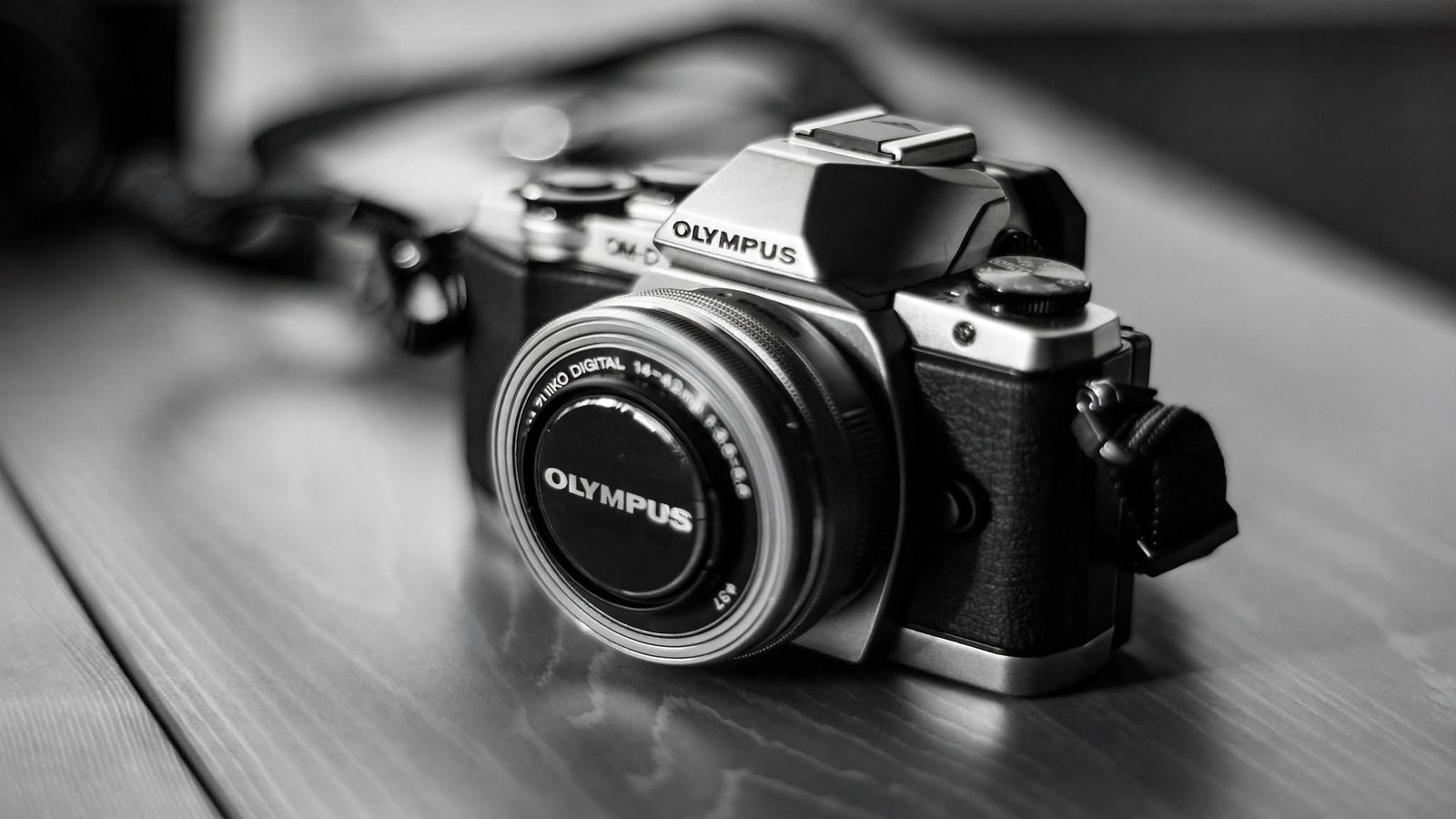
A mirrorless camera takes a different approach. As the name suggests, it doesn’t have the internal mirror found in a DSLR.
Light passes directly through the lens and reaches the image sensor. The sensor then provides a live image to the rear display or electronic viewfinder.
This fundamental difference might sound small, but it affects the camera’s size, weight, autofocus, battery consumption, video performance, and overall shooting experience.
How Does a Mirrorless Camera Work?
A mirrorless camera keeps the image sensor exposed to the incoming light while you compose your shot. Instead of seeing the scene through an optical system, you generally use an electronic viewfinder or the camera’s screen.
One major benefit is that the camera can show you a preview of how your settings will affect the photograph. Changes to exposure, white balance, and other settings can often be seen before you press the shutter.
This makes mirrorless cameras particularly appealing to people who enjoy seeing an immediate representation of the final image.
Modern mirrorless systems have also developed advanced autofocus technologies. Depending on the model, the camera may recognize and track faces, eyes, animals, vehicles, and other moving subjects.
How Does a DSLR Camera Work?
A DSLR uses a mirror and optical viewfinder to create a direct viewing path between the photographer and the scene.
Because you are looking at reflected light rather than a digital display, the viewfinder provides a natural representation of what is in front of the lens. There is no electronic screen between your eye and the subject.
When the shutter is released, the mirror flips upward and exposes the sensor. This mechanical process is one of the defining characteristics of a DSLR.
Although mirrorless technology has become increasingly popular, DSLRs remain capable cameras. Their combination of excellent image quality, strong battery life, comfortable ergonomics, and extensive lens availability continues to make them useful for photographers.
Mirrorless or DSLR: Which Has Better Image Quality?
This is one of the first questions people ask, but there isn’t a universal winner.
A camera’s image quality depends on much more than whether it has a mirror. Sensor size, sensor technology, lens quality, exposure, lighting, image processing, and photographic technique all contribute to the final result.
A high-end DSLR can capture exceptional images, while a modern mirrorless camera with a comparable sensor can produce equally impressive photographs.
For example, a photographer using a quality lens and understanding exposure can often produce better results with an older camera than someone using an expensive camera without understanding how to control it.
So, if image quality is your main concern, don’t choose solely based on the mirrorless-versus-DSLR label. Look at the specific camera, sensor, lens ecosystem, and the type of photography you intend to do.
Electronic Viewfinder vs Optical Viewfinder
The viewfinder experience is one of the biggest practical differences between these systems.
DSLR cameras typically use an optical viewfinder. You see the real scene through the lens using mirrors and optical components.
Many photographers love this because the image feels immediate and natural. There is also no need for the camera to generate a digital preview for your eye.
Mirrorless cameras generally use an electronic viewfinder, or EVF. Instead of viewing the scene directly through the optics, you see a small display showing information from the image sensor.
The advantage is flexibility. The EVF can display exposure changes, histograms, focus information, and other useful details while you compose your shot.
For beginners, this can make photography easier to understand because you can often see the effect of changing camera settings before taking the picture.
Which Camera Is Smaller and Lighter?
One of the most noticeable advantages of mirrorless cameras is their compact design.
Without the mirror and optical viewfinder mechanism found in a DSLR, manufacturers can build smaller camera bodies. This can be a major advantage when you are carrying your camera throughout the day.
Travel photographers, street photographers, hikers, and casual shooters may appreciate having equipment that takes up less space in a bag.
However, don’t assume every mirrorless setup will be tiny. Professional bodies and large lenses can still be heavy, and the lens often contributes significantly to the overall size of a camera system.
A compact mirrorless body paired with a small lens can be extremely portable, while a professional mirrorless body with a large telephoto lens can be just as substantial as some DSLR equipment.
Autofocus: Which One Performs Better?
Autofocus technology has become one of the strongest reasons photographers consider switching to mirrorless.
Modern mirrorless cameras can use sophisticated sensor-based autofocus systems with features such as eye detection, face recognition, and subject tracking.
For photographing unpredictable movement, these technologies can be extremely useful. Wildlife, sports, children, events, and action photography can all benefit from reliable subject tracking.
DSLRs can also have excellent autofocus systems. In fact, professional DSLR cameras have been trusted for years by sports and wildlife photographers.
The difference is that newer mirrorless systems have generally pushed autofocus technology further, particularly for live view and subject-recognition capabilities.
Battery Life: DSLR vs Mirrorless
Battery performance is another area where DSLRs can have an advantage.
Since a DSLR’s optical viewfinder does not require the sensor and electronic display to remain active while composing, the camera can often operate for a long time on a single battery.
Mirrorless cameras use the sensor and electronic displays more extensively. As a result, battery consumption can be higher.
Modern mirrorless cameras have improved considerably, but photographers who spend entire days shooting should still consider carrying spare batteries.
For travel, weddings, outdoor events, and extended photography sessions, battery capacity can be just as important as megapixels or autofocus speed.
Which Is Better for Video?
If video is important to you, mirrorless cameras are usually the more attractive option.
The design of a mirrorless camera naturally lends itself to continuous live-view operation. Manufacturers have also invested heavily in video features for newer mirrorless systems.
Depending on the camera, you may find high-resolution recording, advanced autofocus during video, subject tracking, high frame rates, microphone connections, headphone monitoring, and other filmmaking features.
Some DSLRs can record very good video, and DSLR technology played an important role in the rise of interchangeable-lens video cameras.
However, if you want a camera primarily for modern video production or you plan to combine photography with video, mirrorless generally offers more current technology.
Lens Choice Matters More Than You Think
Choosing a camera body is only part of the decision. The lens system can have a major influence on your photography experience.
DSLR systems have been around for a long time, which means there is a huge selection of lenses available. Photographers can find everything from inexpensive beginner lenses to specialized professional glass.
Mirrorless systems have newer lens mounts, but their lens selections have expanded rapidly. Manufacturers now offer a wide range of lenses for portraits, landscapes, wildlife, sports, travel, street photography, and video.
Some mirrorless systems can also work with older DSLR lenses through adapters. This can be helpful if you already own compatible lenses and want to move gradually to a mirrorless setup.
Before buying a camera, therefore, look beyond the body. Think about the lenses you might want to own five years from now.
Which Is Better for Travel Photography?
For travelers, the appeal of mirrorless cameras is easy to understand.
A smaller body can make it easier to carry your camera through airports, city streets, hiking trails, and tourist attractions. You are also more likely to take photographs when your equipment isn’t uncomfortable to carry.
The electronic viewfinder can be useful when moving between bright sunlight and darker environments, while modern autofocus can make capturing spontaneous moments easier.
That doesn’t mean a DSLR is a poor travel camera. If you already own one and enjoy using it, there may be little reason to change.
The best travel camera is ultimately the one you are comfortable carrying and actually use.
Which Is Better for Portrait Photography?
Both systems are capable of producing beautiful portraits.
Portrait photography depends heavily on lens choice, lighting, posing, background, composition, and depth of field. A capable camera is helpful, but it isn’t the only factor determining whether a portrait looks professional.
Mirrorless cameras have an advantage when it comes to features such as eye-detection autofocus. The camera can identify a person’s eye and help maintain focus, which is particularly useful when shooting with a wide aperture.
DSLR cameras can also produce outstanding portraits, especially when paired with a good portrait lens.
Whether you choose mirrorless or DSLR, learning how to control light and use an appropriate focal length will have a much bigger impact on your portraits than the camera’s design.
Which Is Better for Wildlife and Sports?
Wildlife and sports photography demand fast reactions. Subjects move quickly, lighting can change, and missing focus by a small amount can ruin an otherwise great photograph.
Modern mirrorless cameras can be particularly strong in this category because of their sophisticated subject detection and tracking systems. Some models can recognize animals or people and continuously adjust focus as they move.
High-speed continuous shooting can also increase your chances of capturing the perfect moment.
DSLR cameras, however, should not be dismissed. Professional DSLRs have a long history of successful use in demanding sports and wildlife environments.
If you’re buying new equipment specifically for action photography, compare the autofocus and tracking capabilities of individual models rather than assuming one camera type automatically wins.
Which Is Easier for Beginners?
For someone completely new to photography, a mirrorless camera can provide a more intuitive introduction to manual settings.
When you change the shutter speed, aperture, or ISO, the electronic viewfinder can often show you an approximation of what the resulting photograph will look like.
This makes it easier to connect camera settings with the final image.
DSLRs can provide a more traditional learning experience. You may need to understand exposure and develop the habit of checking your settings rather than relying as heavily on a live electronic preview.
Neither approach is wrong. In fact, learning photography with either system can build a strong foundation.
Are DSLRs Still Worth Buying?
Yes, especially in the right circumstances.
If you find a well-maintained DSLR at a good price, it can offer excellent image quality without requiring the investment associated with a newer camera system.
The used market can also provide access to a large selection of affordable lenses and accessories.
A DSLR may be particularly attractive to students, beginners on a limited budget, or photographers who don’t need the latest autofocus and video technology.
The important thing is to understand that buying an older DSLR means accepting that much of the industry’s newest development is focused on mirrorless cameras.
Is Mirrorless Better for the Future?
For someone purchasing a completely new system, mirrorless is generally the direction the camera industry has been moving toward.
Manufacturers have increasingly introduced new bodies, lenses, autofocus technologies, and video features within their mirrorless ranges.
That doesn’t make existing DSLR equipment obsolete. A good DSLR can continue producing excellent photographs for years.
But if you are building a system from scratch and want access to the newest developments, mirrorless technology may provide a more straightforward long-term path.
Mirrorless vs DSLR: Which Should You Choose?
There is no single camera that is perfect for every photographer.
A mirrorless camera may be the better choice if you want a compact body, modern autofocus, an electronic viewfinder, strong video capabilities, and access to newer camera technology.
A DSLR camera may make more sense if you prefer an optical viewfinder, value long battery life, enjoy traditional camera handling, or want to take advantage of affordable used bodies and lenses.
Your existing equipment should also influence your decision. If you already own several DSLR lenses, switching to another system can be expensive and may not provide enough benefit to justify the cost.
Mirrorless or DSLR: The Final Verdict
So, mirrorless or DSLR—which camera should you choose?
For most people buying a new interchangeable-lens camera today, mirrorless is likely to be the more versatile choice. Its compact designs, advanced autofocus, electronic viewfinders, and strong video capabilities make it well suited to the way modern photographers work.
But DSLR cameras still have plenty to offer. They can deliver excellent image quality, provide a familiar optical viewing experience, offer strong battery performance, and give budget-conscious photographers access to a mature ecosystem of cameras and lenses.
Instead of asking which technology is universally better, ask which one fits your needs.
Consider what you photograph, how much equipment you are willing to carry, whether you shoot video, which lenses you need, and how much you want to spend. Once you answer those questions, the choice between mirrorless and DSLR becomes much easier.
The best camera isn’t necessarily the newest or most expensive one. It’s the camera that gives you the features you need, feels comfortable in your hands, and inspires you to keep taking photographs.
