


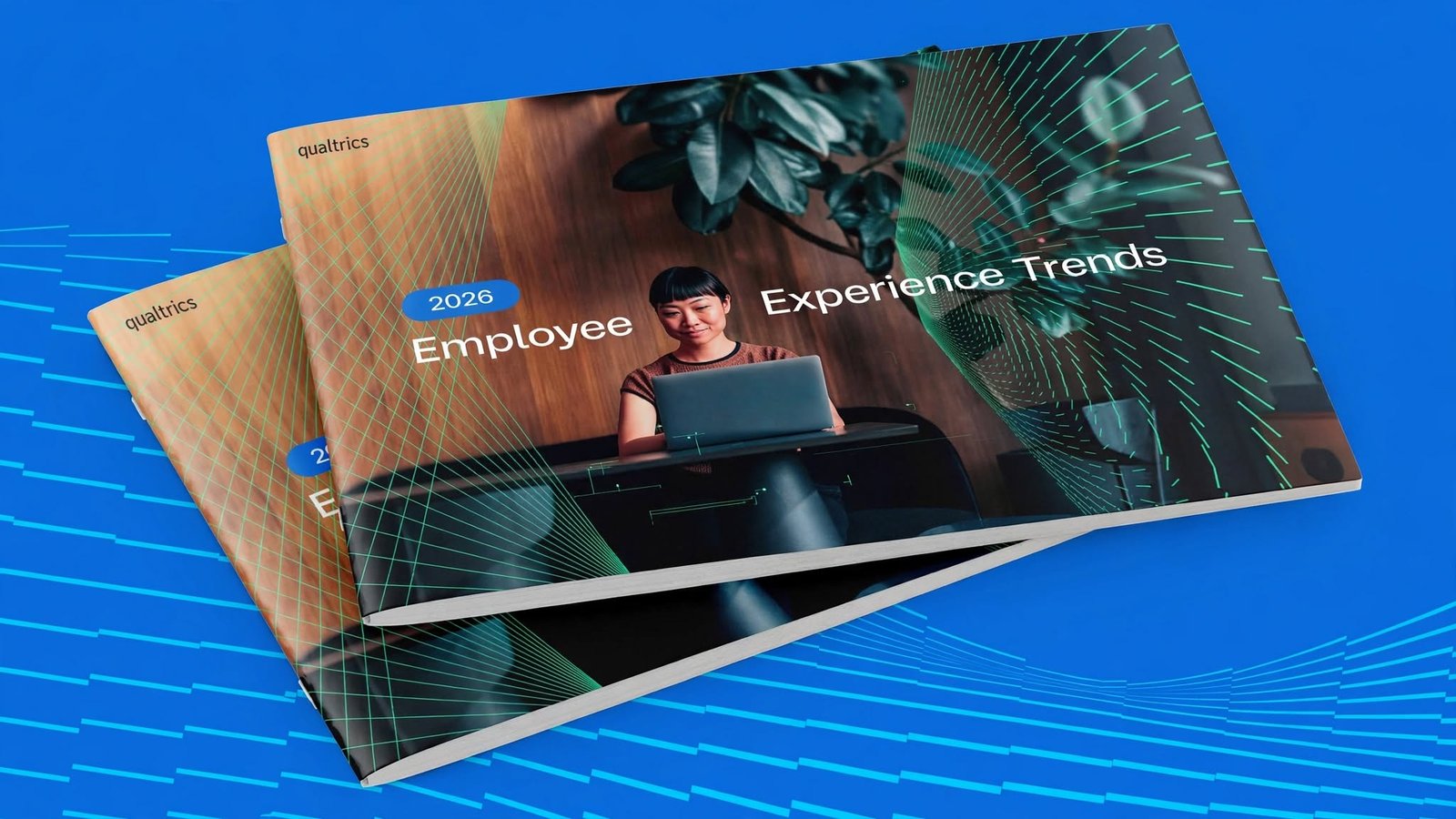
The employee experience has become one of the most closely watched areas of modern workplace strategy. As organizations adapt to changing employee expectations, advances in technology, flexible work arrangements, and evolving approaches to leadership, the way people experience work is undergoing a significant transformation.
Employee experience now extends far beyond salary and traditional workplace benefits. It encompasses everything from workplace culture and communication to career development, digital tools, flexibility, recognition, well-being, and the everyday interactions that shape how employees connect with their organizations.
The Rise of Employee-Centered Workplace Strategies
One of the most important trends in employee experience is the shift toward more employee-centered workplace strategies. Organizations are increasingly examining the complete employee journey, from recruitment and onboarding to professional development, performance management, and eventual offboarding.
Rather than treating employee experience as a human resources initiative alone, businesses are increasingly connecting it with leadership, technology, workplace design, and organizational culture. This broader approach recognizes that employees interact with multiple systems and teams throughout their working lives, and each interaction can influence engagement and productivity.
Personalization is also becoming increasingly important. Just as consumers expect personalized digital experiences, employees increasingly expect workplace technology, communication, learning opportunities, and career support to reflect their individual needs and circumstances.
Flexible and Hybrid Work Continue to Evolve
Flexible work remains a major factor shaping employee experience. Hybrid and remote arrangements have changed how organizations think about collaboration, productivity, workplace communication, and employee autonomy.
The modern workplace is moving beyond the simple question of whether employees should work remotely or in an office. Organizations are instead examining which activities benefit from face-to-face interaction, which can be completed effectively online, and how teams can maintain strong connections regardless of location.
This evolution is also placing greater emphasis on outcomes rather than physical presence. Clear expectations, effective communication, reliable technology, and trust-based management are becoming increasingly important for organizations seeking to create productive and sustainable flexible-work environments.
Artificial Intelligence Is Reshaping Everyday Work
Artificial intelligence is emerging as another major force in employee experience. AI-powered tools can assist with tasks such as information retrieval, content creation, scheduling, data analysis, customer support, and administrative work.
For employees, the impact of AI is not limited to automation. It can also change how people learn, collaborate, solve problems, and access organizational information. Employees may increasingly interact with AI assistants as part of their normal workday, making digital workplace experiences more immediate and personalized.
At the same time, organizations need to consider transparency, training, privacy, job redesign, and responsible technology use. The employee experience surrounding AI will depend not only on the capabilities of new tools but also on whether employees understand how those tools are being used and receive appropriate support as their roles evolve.
Employee Well-Being Becomes a Broader Workplace Priority
Workplace well-being is also becoming more closely connected to employee experience. Organizations are paying greater attention to factors such as workload, flexibility, psychological safety, work-life boundaries, social connection, and opportunities for recovery.
The modern approach to well-being increasingly recognizes that isolated benefits may not address the underlying causes of workplace stress. An employee wellness program, for example, cannot substitute for reasonable workloads, supportive management, effective communication, and a healthy organizational culture.
As a result, employee experience strategies are increasingly considering well-being as part of everyday work design. This can include clearer priorities, better manager support, flexible scheduling, opportunities for development, and workplace practices that make sustainable performance possible.
Learning and Career Growth Take Center Stage
Career development is another major component of the changing employee experience. Employees increasingly want opportunities to build skills, explore new responsibilities, and understand how their current work connects with longer-term career goals.
Organizations are responding by expanding access to digital learning, mentoring, coaching, internal mobility, and skills-based development. Instead of viewing training as an occasional activity, companies are increasingly incorporating learning into the normal flow of work.
Skills development is particularly important as technology and business models continue to change. Employees who can continuously acquire new capabilities may be better positioned to adapt to changing responsibilities, while organizations can strengthen their internal talent pipelines by developing existing employees.
Managers Have a Greater Role in Employee Experience
Technology can support employee experience, but managers remain a central part of how employees perceive their workplace. Everyday interactions with managers can influence communication, recognition, workload, development opportunities, and a person’s understanding of organizational expectations.
This is encouraging organizations to place greater emphasis on manager effectiveness. Managers may need stronger capabilities in areas such as coaching, feedback, conflict resolution, inclusive leadership, team communication, and managing distributed teams.
The role of the manager is also changing as organizations become more flexible. Instead of relying primarily on supervision and physical visibility, effective management increasingly involves setting clear goals, providing context, removing obstacles, and creating conditions in which employees can perform independently.
Workplace Technology Is Becoming More Connected
Another emerging employee experience trend is the integration of workplace technology. Employees often use numerous platforms for communication, project management, learning, human resources, collaboration, and information sharing.
When these systems operate independently, employees can face unnecessary complexity. Searching for information across multiple platforms, repeatedly entering the same information, or switching between disconnected applications can create friction during the workday.
Organizations are therefore paying greater attention to the digital employee experience. Integrated platforms, intuitive interfaces, automation, and accessible information can reduce administrative friction and allow employees to spend more time on meaningful work.
Employee Listening Is Becoming More Continuous
Traditional annual employee surveys are increasingly being supplemented by more frequent approaches to employee listening. Organizations can use pulse surveys, feedback platforms, structured conversations, focus groups, and other methods to understand how workplace conditions are changing.
Continuous listening can help organizations identify emerging concerns before they become larger organizational problems. It can also give employees more opportunities to communicate what is working and where improvements may be needed.
However, collecting feedback is only one part of the process. Employees are more likely to trust listening programs when organizations communicate what they have learned, explain what actions will follow, and provide realistic updates about progress.
Recognition and Belonging Remain Essential
Recognition continues to play an important role in employee experience, particularly as teams become more distributed. Employees want their contributions to be visible and meaningful, while organizations benefit from reinforcing behaviors and achievements that support shared goals.
Recognition does not necessarily need to involve financial rewards. Timely feedback, public acknowledgment, career opportunities, peer recognition, and meaningful conversations with managers can all contribute to a stronger workplace experience.
Belonging is similarly important. Employees who feel connected to their colleagues and understand how their work contributes to organizational goals may experience a stronger sense of purpose and connection to the workplace. Creating that environment requires consistent leadership, inclusive communication, and opportunities for genuine collaboration.
The Future of Employee Experience
The future of employee experience will likely be defined by a combination of technology and human-centered workplace practices. Artificial intelligence, digital collaboration platforms, analytics, and automation can change how work is performed, but organizational culture, leadership, trust, and meaningful relationships remain fundamental to the employee experience.
Organizations that want to adapt successfully will need to look at the entire employee journey rather than focusing on isolated workplace initiatives. The most effective strategies are likely to connect technology, flexibility, career development, well-being, communication, and organizational culture into a coherent experience.
As the world of work continues to evolve, employee experience is becoming an important part of how organizations attract, develop, and retain talent. Companies that pay attention to how work actually feels and functions for their people can gain valuable insight into the changing expectations of the modern workforce.
Ultimately, the transformation of employee experience is not simply about introducing new workplace technologies or policies. It is about creating an environment where people have the tools, flexibility, support, information, and opportunities they need to contribute effectively while building sustainable and meaningful careers.

1 Comment
Pingback: Lit Farms Uncovered: The Technology Behind Modern Growing