



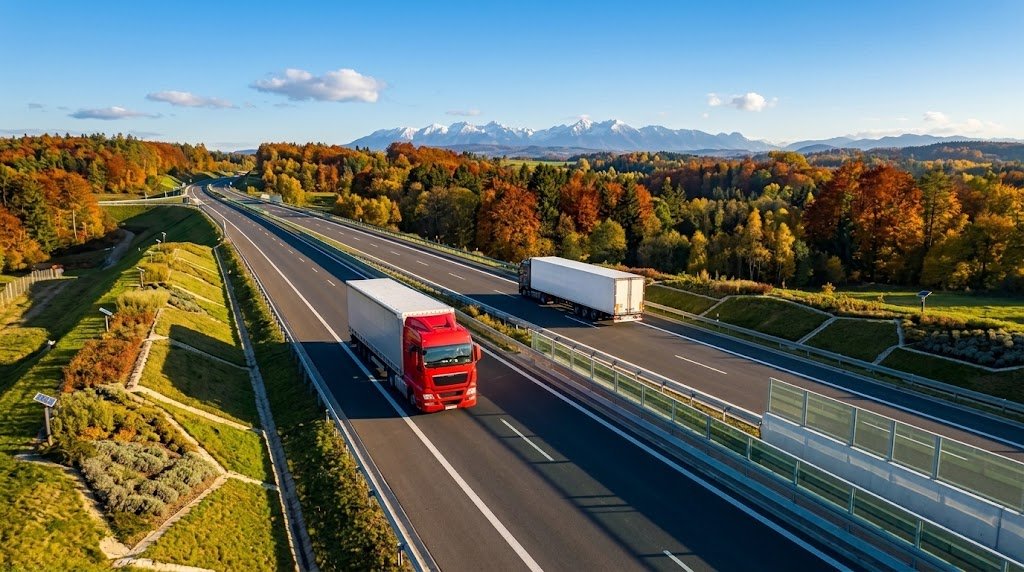
Hot shot trucking has become an increasingly important part of the transportation industry, especially for businesses that need smaller loads delivered quickly and efficiently. Unlike traditional long-haul trucking, hot shot trucking typically focuses on time-sensitive shipments that may not require a full-size tractor-trailer.
For carriers, owner-operators, and businesses, understanding how hot shot trucking works can help improve delivery efficiency, control transportation costs, and respond faster to urgent shipping requirements. When combined with modern fleet management and telematics technology, hot shot operations can become even more efficient, transparent, and profitable.
What Is Hot Shot Trucking?
Hot shot trucking refers to the transportation of relatively small, urgent, or time-sensitive loads, usually over short or regional distances. These shipments are commonly transported using pickup trucks equipped with suitable trailers rather than traditional Class 8 tractor-trailer combinations.
The term “hot shot” is associated with expedited transportation because customers often need their freight delivered within a specific and sometimes very short timeframe. Instead of waiting for a larger truck to become available, a hot shot carrier can transport the shipment directly to its destination.
Hot shot trucking is widely used in industries where delays can result in significant operational or financial losses. Construction companies, oil and gas operations, agriculture businesses, manufacturing facilities, automotive companies, and equipment suppliers may all rely on expedited transportation for critical materials and equipment.
Because hot shot loads can vary significantly in size, weight, distance, and urgency, carriers need flexible equipment and efficient operational planning. This flexibility is one of the main reasons the hot shot trucking model continues to attract independent drivers and small fleet operators.
How Does Hot Shot Trucking Work?
The hot shot trucking process usually begins when a shipper needs to move a load quickly but does not require an entire traditional freight trailer. A carrier accepts the shipment, determines the appropriate vehicle and trailer configuration, and plans a route based on the pickup and delivery requirements.
Once the freight is loaded and secured, the driver transports it directly or with minimal stops to the destination. The ability to move smaller shipments without waiting for consolidation can make hot shot trucking an attractive option for customers with urgent transportation needs.
The carrier must carefully consider factors such as cargo dimensions, total weight, trailer capacity, route restrictions, fuel consumption, weather, traffic, and delivery deadlines. Proper planning becomes particularly important when the shipment involves specialized equipment or requires delivery to remote locations.
Technology can further simplify this process by giving fleet operators visibility into vehicles, driver activity, routes, fuel usage, and delivery progress. Real-time information allows managers to make informed decisions instead of relying entirely on phone calls or manual updates.
Types of Hot Shot Trucking
Hot shot trucking is not limited to one specific type of freight. Different industries and customers require different transportation solutions, which means hot shot carriers may specialize in particular cargo categories or develop flexible operations capable of handling several types of loads.
Construction Hot Shot Trucking
Construction is one of the industries that can benefit significantly from hot shot transportation. Construction projects often operate under strict schedules, and a missing tool, replacement part, or piece of equipment can cause workers and machinery to remain idle.
Hot shot carriers can transport construction materials, tools, machinery components, replacement parts, and other job-site necessities on short notice. Delivering these items quickly can help contractors minimize downtime and keep projects moving.
For construction-focused carriers, route visibility and accurate estimated arrival times can be particularly valuable. Fleet telematics can help managers monitor vehicles while they are traveling between suppliers, warehouses, and construction sites.
Oilfield and Energy Hot Shot Trucking
The oil and gas industry is another major application for expedited transportation. Remote drilling and production sites may require replacement parts, tools, equipment, and supplies that need to arrive quickly to prevent costly operational delays.
Hot shot drivers serving energy operations may travel long distances or operate in areas where road conditions and accessibility can be challenging. Reliable communication and vehicle monitoring can therefore play an important role in maintaining operational visibility.
Fleet management technology can provide useful information about vehicle location, mileage, driver activity, and maintenance requirements. This information can help companies coordinate urgent deliveries while improving oversight of vehicles operating in remote areas.
Agricultural Hot Shot Trucking
Agricultural operations can also require fast transportation, particularly during planting, harvesting, and other time-sensitive periods. Farmers and agricultural businesses may need replacement machinery components, tools, supplies, or other materials delivered quickly.
A broken piece of equipment during a critical stage of the farming cycle can create significant delays. Hot shot transportation provides a flexible option for moving essential parts and supplies directly to farms or agricultural facilities.
Because agricultural locations can be spread across large geographic areas, efficient routing and vehicle tracking can help carriers manage their operations more effectively.
Automotive and Equipment Parts
Automotive repair facilities, dealerships, manufacturers, and equipment operators may require specific components on short notice. In these situations, waiting for a conventional freight shipment may not be practical.
Hot shot trucking can provide direct transportation for replacement engines, machinery components, automotive parts, tools, and other time-sensitive items. The ability to deliver directly to a repair facility or job site can reduce waiting periods and help customers resume operations sooner.
Common Vehicles and Trailers Used in Hot Shot Trucking
Hot shot carriers generally use smaller commercial vehicles than traditional long-haul trucking operations. Pickup trucks are particularly common because they can provide a useful balance between towing capacity, operating flexibility, and accessibility.
Depending on the load, carriers may use different trailer configurations, including flatbed, gooseneck, bumper-pull, or specialized trailers. The appropriate combination depends on the cargo’s size, weight, dimensions, and loading requirements.
Equipment selection should never be based solely on maximum towing capacity. Operators also need to consider payload, gross vehicle weight ratings, braking requirements, axle ratings, trailer capacity, and applicable transportation regulations.
Choosing the correct equipment can improve safety and efficiency while reducing the risk of overloading or equipment-related problems. For growing hot shot businesses, selecting equipment that matches the company’s typical freight profile can also help control long-term operating costs.
Key Benefits of Hot Shot Trucking
One of the biggest advantages of hot shot trucking is flexibility. Smaller vehicles can potentially access locations and routes that may be less convenient for larger tractor-trailers, allowing carriers to serve a wider variety of customers.
Speed is another major advantage. Because hot shot shipments are often transported directly from pickup to delivery, customers may receive their freight faster than they would through conventional freight networks.
Hot shot trucking can also provide opportunities for independent owner-operators and smaller transportation companies. Compared with establishing a large fleet of traditional tractor-trailers, a hot shot operation can potentially be started with fewer vehicles and a more focused operating model.
Another benefit is the ability to serve specialized markets. Carriers that develop expertise in construction, energy, agriculture, automotive, or other industries may establish relationships with customers who regularly require expedited transportation.
Challenges of Hot Shot Trucking
Despite its advantages, hot shot trucking comes with operational challenges. Fuel expenses, vehicle maintenance, insurance, permits, tires, repairs, and other business costs can quickly affect profitability.
Demand can also fluctuate depending on geography, season, industry activity, and economic conditions. A carrier may have a highly profitable delivery in one direction but struggle to find suitable freight for the return journey.
Driver fatigue is another important consideration because urgent shipments can create pressure to meet tight deadlines. Effective scheduling should prioritize safe driving practices rather than encouraging drivers to exceed legal driving limits or compromise rest.
Equipment wear can also be significant. Frequent towing, heavy loads, long-distance travel, and demanding road conditions can increase maintenance requirements, making preventive maintenance essential for reliable operations.
The Role of Fleet Management in Hot Shot Trucking
As a hot shot operation grows, managing vehicles manually becomes increasingly difficult. Fleet management technology can provide a centralized way to monitor vehicles, drivers, routes, fuel consumption, maintenance, and other operational information.
A modern fleet management system can give managers greater visibility into where vehicles are located and how they are being used. This information can make it easier to coordinate deliveries, respond to customer inquiries, and identify operational inefficiencies.
For owner-operators and small fleets, technology can also reduce administrative workload. Automated information about mileage, vehicle activity, maintenance schedules, and trips can reduce dependence on spreadsheets and manual record keeping.
The goal is not simply to track vehicles but to turn operational data into useful business decisions. When fleet managers understand how vehicles and drivers are performing, they can identify opportunities to reduce waste and improve productivity.
How Telematics Technology Improves Hot Shot Operations
Telematics combines vehicle data, communications technology, GPS positioning, and software to provide information about fleet activity. For hot shot trucking companies, this technology can improve visibility across the transportation operation.
Real-time GPS tracking is one of the most useful capabilities. Managers can see the approximate location of vehicles, monitor routes, and provide customers with more accurate delivery updates.
Geofencing can also help companies receive automated notifications when a vehicle enters or leaves a designated location. This can be useful for monitoring arrivals at warehouses, construction sites, customer facilities, or other important locations.
Vehicle diagnostics provide another layer of visibility. Depending on the system and vehicle, telematics can collect information related to engine performance, fault codes, mileage, and other vehicle data.
This information can help fleet managers identify potential problems before they become major breakdowns. Preventive maintenance based on vehicle usage and diagnostic information can help improve reliability and reduce unexpected downtime.
Improving Fuel Efficiency With Fleet Technology
Fuel is one of the most significant ongoing expenses for many trucking businesses. Even small improvements in fuel efficiency can have a meaningful impact on operating costs when applied across numerous trips.
Telematics systems can help identify behaviors and operating conditions associated with higher fuel consumption. Excessive idling, inefficient routing, unnecessary mileage, and aggressive driving patterns may all contribute to increased fuel costs.
By reviewing fleet data, managers can identify trends and develop strategies to improve fuel efficiency. Drivers can also receive feedback designed to encourage safer and more economical driving habits.
Route optimization can provide additional savings by helping carriers identify efficient routes while considering factors such as distance, traffic, road restrictions, and delivery requirements.
Driver Safety and Hot Shot Fleet Management
Safety should remain a central priority in every hot shot trucking operation. Drivers may face long hours, changing weather conditions, unfamiliar roads, heavy loads, and pressure associated with urgent deliveries.
Fleet telematics can support safety programs by providing visibility into driving behaviors such as speeding, harsh acceleration, harsh braking, and other events supported by the technology.
Instead of using technology solely as a disciplinary tool, fleet managers can use driver data to identify training opportunities and encourage safer habits. Consistent feedback can help create a culture in which drivers understand that safety and operational efficiency are closely connected.
Some fleet systems can also provide alerts for specific events, allowing managers to respond more quickly when potentially unsafe driving behavior or vehicle conditions are detected.
Maintenance Management for Hot Shot Fleets
Unexpected breakdowns can be particularly damaging to hot shot carriers because customers often choose these services specifically for urgent transportation needs. A vehicle failure during a critical delivery can result in delays, additional expenses, and damage to customer relationships.
Preventive maintenance helps reduce this risk by ensuring vehicles receive inspections and servicing according to appropriate schedules. Fleet management software can make it easier to monitor mileage, service intervals, inspection requirements, and maintenance history.
Digital maintenance records can also provide managers with a clearer picture of vehicle reliability. If one vehicle consistently requires expensive repairs, the data can help inform decisions about repair, replacement, or changes in operating strategy.
A proactive maintenance approach can ultimately support higher vehicle availability and more predictable operating costs.
Smarter Route Planning and Dispatch
Efficient dispatching is essential for hot shot trucking because the business model often depends on delivering freight quickly while controlling unnecessary mileage. Poor route planning can increase fuel expenses, delivery times, and vehicle wear.
Modern fleet management platforms can provide dispatchers with real-time vehicle locations and route information. This allows dispatchers to assign work based on factors such as vehicle proximity, availability, and operational requirements.
Real-time visibility can also help companies respond to unexpected changes. If traffic, weather, road closures, or customer delays affect a route, dispatchers can adjust plans and communicate changes more efficiently.
Better dispatching can therefore improve both customer service and fleet productivity.
Choosing Fleet Telematics Technology for Hot Shot Trucking
Not every fleet management system offers the same capabilities, so hot shot carriers should evaluate technology according to their specific operational requirements. A system that works well for a large long-haul fleet may not necessarily provide the ideal combination of features, cost, and simplicity for a small hot shot operation.
GPS tracking should generally be considered an important capability because knowing vehicle locations can improve dispatching and customer communication. Maintenance monitoring, driver behavior insights, fuel reporting, geofencing, mobile access, and reporting tools may also be valuable depending on the fleet.
Ease of use is equally important. Technology should simplify operations rather than create another complicated administrative burden.
Before selecting a platform, fleet operators should consider the number of vehicles they manage, the types of freight they carry, the geographic area they serve, the reports they need, and how easily the system can integrate with their existing workflow.
How Data Can Improve Fleet Profitability
Fleet data becomes especially valuable when operators use it to make business decisions rather than simply collect information. Detailed operational reports can reveal where money is being spent and where improvements may be possible.
For example, a carrier may discover that certain routes consistently produce excessive mileage or that particular vehicles have unusually high fuel consumption. Identifying these patterns gives management an opportunity to investigate the underlying causes.
Data can also help operators evaluate driver productivity, vehicle utilization, maintenance expenses, and delivery performance. Over time, these insights can support better pricing, scheduling, equipment replacement, and customer-service decisions.
For a small hot shot fleet, even modest efficiency improvements can make a meaningful difference because operating margins may depend on controlling numerous individual expenses.
Compliance Considerations for Hot Shot Trucking
Hot shot carriers must understand and comply with the transportation regulations that apply to their vehicles, operations, cargo, and operating locations. Requirements can vary depending on factors such as vehicle weight, interstate or intrastate operation, cargo type, and jurisdiction.
Depending on the operation, carriers may need appropriate commercial licensing, registration, insurance, permits, inspections, and documentation. Drivers and companies should also understand applicable hours-of-service and cargo-securement requirements.
Because regulatory requirements can change and may differ between jurisdictions, carriers should verify current requirements with the relevant transportation authorities or qualified compliance professionals rather than relying on outdated information.
Technology can assist with record keeping and operational visibility, but it does not replace the carrier’s responsibility to understand and follow applicable laws.
Hot Shot Trucking and the Future of Fleet Management
The future of hot shot trucking is likely to become increasingly connected and data-driven. As transportation technology develops, fleet operators will have access to more detailed information about vehicles, routes, drivers, fuel consumption, maintenance, and delivery performance.
Artificial intelligence, predictive analytics, connected vehicle systems, and increasingly sophisticated fleet software may help carriers make faster and more accurate operational decisions. These technologies can potentially improve route planning, identify maintenance risks, and provide more precise operational forecasting.
Customer expectations are also changing. Shippers increasingly want visibility into the status of their freight rather than simply receiving a confirmation after delivery.
For hot shot carriers, providing accurate delivery updates and transparent communication can therefore become an important competitive advantage.
Final Thoughts
Hot shot trucking offers a flexible transportation solution for customers that need smaller, urgent, or time-sensitive shipments moved quickly. Its combination of speed, flexibility, and specialized service makes it particularly valuable across industries such as construction, energy, agriculture, automotive, and equipment maintenance.
However, running a profitable hot shot operation requires more than a suitable truck and trailer. Effective route planning, preventive maintenance, driver safety, fuel management, regulatory compliance, and careful cost control all contribute to long-term success.
Fleet management and telematics technology can bring these elements together by giving operators greater visibility into vehicles, drivers, routes, and business performance. For carriers looking to build a more efficient and scalable operation, using accurate fleet data to guide everyday decisions can be one of the most effective ways to create a smarter hot shot trucking business.

1 Comment
Pingback: How Teletrac Navman Helps Businesses Improve Fleet Efficiency