

AI tools for photographer outreach and client acquisition help photographers find potential clients, personalize messages, automate follow-ups, manage leads, and turn more inquiries into paid bookings. By combining AI writing assistants, customer relationship management (CRM) platforms, email automation software, and marketing tools, photographers can spend less time searching for clients and more time creating compelling images and delivering excellent service.
For wedding photographers, portrait specialists, commercial photographers, real estate photographers, and freelance creatives, the right AI-powered workflow can make client acquisition more organized and consistent. Instead of sending generic messages to hundreds of prospects, photographers can use AI to identify relevant opportunities, understand what potential clients need, and communicate their value in a more personal and effective way.
Automation should enhance genuine client relationships, not take the place of personal communication and trust. It is to make the process of finding, approaching, and converting the right clients faster, more relevant, and easier to manage.
Why Photographer Outreach and Client Acquisition Matter
Photography is a competitive business, and even talented photographers can struggle to maintain a steady flow of bookings. A beautiful portfolio demonstrates creative ability, but it does not automatically ensure that potential clients will discover a photographer, understand their services, or feel confident enough to make a booking.
Client acquisition involves every step between identifying a potential customer and turning that person into a paying client. Photographer outreach supports this process through personalized emails, social media conversations, networking, partnerships, and targeted marketing campaigns.
Traditional outreach can consume hours of research, writing, and follow-up work. AI tools help reduce that workload by organizing prospect information, generating message drafts, identifying useful content ideas, and highlighting leads that deserve attention.
When used strategically, these tools allow photographers to build a repeatable client acquisition system instead of relying entirely on referrals, seasonal demand, or occasional social media exposure.
How AI Is Changing Photographer Outreach
AI helps photographers manage marketing more strategically, making it easier to attract clients while balancing shoots, editing, and other business responsibilities. Modern tools can assist with research, writing, customer segmentation, campaign planning, and lead management, often bringing several stages of outreach into one workflow.
For example, a wedding photographer could use an AI assistant to develop a list of ideal customer characteristics, create different email drafts for wedding planners and engaged couples, and prepare a follow-up sequence for people who have expressed interest. A commercial photographer might use similar tools to research local brands, develop a concise pitch, and organize potential partnerships by industry.
The biggest advantage is adaptability. AI can help photographers adjust their communication according to the audience, service, location, and business goals. However, its suggestions still require human judgment because automated systems may misunderstand context, generate inaccurate details, or produce messages that sound impersonal.
The best results come from pairing AI’s efficiency with the photographer’s creative skills, industry experience, and ability to build meaningful client relationships.
1. AI Writing Assistants for Personalized Outreach
AI writing assistants help photographers create professional emails, direct messages, proposals, follow-ups, website copy, and introductory pitches. They are particularly useful when approaching several types of clients who need different services and respond to different messages.
A photographer targeting restaurants, for instance, should emphasize food styling, menu photography, and visual branding. Photographers reaching out to corporate marketing teams should highlight services such as campaign shoots, product photography, professional headshots, and reliable delivery of high-quality commercial images.
An AI writing assistant can transform a general introduction into several targeted versions while maintaining a consistent brand voice. It can also suggest stronger subject lines, simplify complicated explanations, and make an outreach message more focused on the recipient’s needs.
Tools such as ChatGPT, Claude, and Gemini can support these tasks. Photographers should provide accurate information about their experience, portfolio, services, and target audience before requesting drafts.
Always review and customize the final message to ensure it feels personal and relevant to the recipient. Mentioning a genuine detail about the recipient’s business and explaining why the photographer’s work is relevant usually creates a stronger impression than sending a polished but generic template.
2. AI-Powered CRM Tools for Managing Photography Leads
Customer relationship management software helps photographers keep track of prospects, inquiries, conversations, proposals, bookings, and follow-up dates. AI-enabled CRM features can further support lead organization, message drafting, summaries, and prioritization, depending on the platform and subscription.
Without a centralized system, potential clients can easily disappear into an overcrowded inbox or get forgotten after an initial conversation. A CRM creates a clearer picture of the sales process by showing which prospects are new, which have received a quote, which are waiting for a response, and which have confirmed a booking.
Platforms such as HubSpot and other photography-oriented client management systems can help photographers organize these stages.
Some platforms also offer features for managing client questionnaires, contracts, invoices, bookings, and routine communications. For a small photography business, the most useful setup is often a simple pipeline with clear stages: new lead, contacted, interested, consultation booked, proposal sent, booked, and closed. AI can assist with administrative work, but the photographer should remain responsible for pricing decisions, important client conversations, and the quality of the customer experience.
3. AI Email Marketing and Follow-Up Automation
Email remains a valuable channel for photographers because it allows them to explain their services, share portfolio examples, and maintain relationships with potential clients without depending entirely on social media algorithms.
AI-assisted email platforms can help generate campaign ideas, draft subject lines, segment audiences, and automate selected follow-up messages. This is especially useful for photographers who work with recurring commercial clients, event organizers, marketing agencies, wedding planners, or local businesses.
For example, a commercial photographer could create a short introduction for local brands, send a relevant portfolio sample to interested prospects, and schedule a polite follow-up if there is no response. A family photographer might use email marketing to share seasonal portrait sessions with previous clients who have agreed to receive promotional messages.
Tools such as Mailchimp and other email marketing platforms offer campaign management and automation features, with specific AI capabilities varying by plan. Photographers should confirm which features are available before choosing a platform.
Automation should support thoughtful communication rather than produce an endless stream of reminders. Messages need to be relevant, appropriately spaced, and easy for recipients to opt out of. Photographers should also follow applicable privacy, email marketing, and anti-spam requirements.
4. AI Tools for Finding and Researching Potential Clients
Effective outreach begins with identifying people and businesses that are likely to need photography services. AI research assistants can help photographers define promising customer segments, explore relevant industries, develop prospecting criteria, and prepare research questions before contacting potential clients.
A product photographer, for example, might focus on independent skincare brands, boutique food companies, online retailers, or businesses launching new products. A real estate photographer could prioritize property agencies, independent brokers, vacation rental managers, and property developers.
AI can help turn these broad categories into a more practical prospecting strategy by suggesting business characteristics to investigate, relevant decision-maker roles, and potential reasons a company might need updated imagery. When connected to reliable research or sales intelligence data, certain tools may also help collect and organize publicly available business information.
However, AI-generated prospect lists should never be treated as automatically accurate. Business details can be outdated, and a company that appears suitable may not have a current need or budget for photography. Verify important information before reaching out, and use legitimate sources rather than collecting personal information indiscriminately.
The objective is to create a smaller list of relevant prospects who are more likely to benefit from the photographer’s services, not simply to maximize the number of names in a spreadsheet.
5. AI Social Media Tools for Attracting Photography Clients
Social media can help photographers demonstrate their style, establish expertise, and attract people who are already interested in visual content. AI tools can support this process by generating content ideas, writing captions, organizing publishing schedules, and adapting a portfolio project into several different posts.
For example, a wedding photographer might turn one completed wedding into a series featuring venue details, candid moments, lighting techniques, and planning advice. A commercial photographer could explain how a product shoot helps a brand create consistent visuals across its website, advertising, and social media channels.
Tools such as Canva and social media management platforms can help with creative production and scheduling, while AI writing assistants can develop caption variations and campaign themes. Their exact features differ, so photographers should select tools based on the channels they actually use.
Consistency matters more than publishing large quantities of content without a clear purpose. A useful social media strategy combines strong portfolio images with educational posts, behind-the-scenes material, client testimonials shared with permission, and clear information about available services.
AI can make this process easier, but the photographer’s own work, perspective, and visual identity must remain at the center of the content.
6. AI Chatbots for Photography Inquiries
A website chatbot can help answer common questions when potential clients visit a photography business website outside normal working hours. Depending on its configuration, it may explain service categories, collect inquiry details, direct visitors to a portfolio, or help them request a consultation.
This can be particularly useful for photographers who receive inquiries while working on location or editing client projects. Rather than leaving visitors uncertain about what to do next, a well-designed chatbot can guide them toward the appropriate contact form or booking process.
A wedding photography chatbot might ask about the wedding date, venue, approximate coverage requirements, and preferred photography style. A commercial photography chatbot could ask about the type of project, intended use of the images, approximate timeline, and whether the client has a brief.
The chatbot should collect only the information needed to handle the inquiry and explain clearly when a human response will follow. It should not invent availability, promise unapproved prices, or make contractual commitments on behalf of the photographer.
AI chatbots work best as an initial point of contact. Once a prospect shows serious interest, a personal conversation helps build trust and clarify the details that automated questions cannot fully capture.
How to Use AI to Reach Your Ideal Photography Clients
Choosing AI tools is only one part of successful client acquisition. Photographers also need a clear process that connects prospect research, relevant communication, consistent follow-up, and a professional booking experience.
Define Your Ideal Client Before Using AI
The first step is to identify the clients who are most valuable to your business. Rather than targeting everyone who might need photographs, consider the services you enjoy providing, the projects that generate sustainable income, and the customers whose requirements match your experience.
A portrait photographer might focus on professionals who need personal branding images, while a wedding photographer could prioritize couples seeking a particular style of coverage. A commercial photographer may prefer businesses that need recurring product photography rather than occasional one-off projects.
Once this audience is defined, AI can help develop a more focused outreach strategy. You can ask it to identify common client challenges, suggest relevant business categories, recommend appropriate portfolio examples, and generate questions that help determine whether a prospect is a good fit.
Clear targeting improves both the relevance of outreach messages and the quality of the conversations that follow.
Build a Qualified Prospect List
After defining your audience, create a list of potential clients using appropriate business directories, professional networks, local business listings, referrals, industry events, and other legitimate sources.
Record useful details such as the business name, website, relevant contact channel, service requirements, and the reason the prospect may benefit from your work. AI can help organize these records, categorize prospects, and identify missing information, provided the data is handled carefully.
Quality should take priority over quantity. Ten carefully researched businesses with a genuine need for photography may be more valuable than a large collection of unrelated contacts.
Before making contact, verify the details and look for a relevant point of connection. This might be a new product launch, an upcoming event, an outdated image gallery, or a service that would benefit from stronger visual storytelling.
Create Personalized Outreach Messages
A strong outreach message should be brief enough to respect the recipient’s time while providing a clear reason to continue the conversation. It should explain who you are, why you are contacting that person, and how your photography services could help.
AI can generate a first draft using information about the prospect and the photographer’s offer. For better results, provide the assistant with your target audience, photographic style, relevant experience, service area, portfolio examples, and preferred tone.
For instance, a photographer contacting a boutique hotel might explain how professional interior and lifestyle photography can help present its rooms, amenities, and guest experience more effectively. A generic message offering photography services would be less relevant because it fails to connect the service with the hotel’s specific business goals.
Every message should contain only claims the photographer can support. Never ask AI to invent past clients, results, testimonials, awards, or personal connections.
Follow Up Without Being Pushy
Many prospects do not respond to the first message, even when they are interested. They may be busy, waiting for a project to be approved, or simply unable to review the offer at that moment.
A structured follow-up process helps photographers maintain contact without relying on memory. AI can draft polite reminders, suggest a useful reason to reconnect, and adapt the wording to the previous conversation.
For example, an initial email might introduce a commercial photography service, while a later follow-up could share one relevant case study or a portfolio gallery that demonstrates the style being offered. If the prospect declines or asks not to receive further messages, the photographer should respect that request and update the contact record.
A thoughtful follow-up adds context or value rather than repeating the same sales pitch. The purpose is to make it easy for an interested prospect to respond, not to pressure someone into buying.
Turn Inquiries Into Paid Bookings
Generating inquiries is important, but successful client acquisition also depends on converting those inquiries into confirmed projects. Photographers need to respond clearly, understand the client’s requirements, explain their process, and provide a suitable proposal.
AI can assist with preparing consultation questions, summarizing inquiry details, drafting proposal sections, and creating clear descriptions of deliverables. It can also help photographers explain differences between service packages without overwhelming clients with technical terminology.
However, prices, usage rights, delivery timelines, cancellation terms, and project commitments should always be checked by the photographer. Commercial licensing and image usage can be particularly important because clients may require different rights depending on how and where the photographs will appear.
A professional booking experience combines efficient administration with clear expectations. When prospects understand the value, scope, and next steps, they can make decisions with greater confidence.
Practical AI Outreach Examples for Different Photography Niches
Wedding Photographers
Wedding photographers often depend on referrals, venue relationships, wedding planners, and visibility among engaged couples. AI can help identify potential partnerships, draft introductory messages, prepare seasonal content, and organize inquiries according to wedding dates and service requirements.
For example, a photographer could develop a targeted introduction for wedding planners that emphasizes a consistent visual style, reliable communication, and experience working within a coordinated event schedule. The message should link the photographer’s strengths to the planner’s needs rather than focus entirely on equipment or artistic preferences.
AI can also help create educational content about choosing wedding photography coverage, preparing for portraits, and planning timelines. These resources demonstrate expertise while helping potential clients understand the photographer’s approach before requesting a quote.
Portrait and Personal Branding Photographers
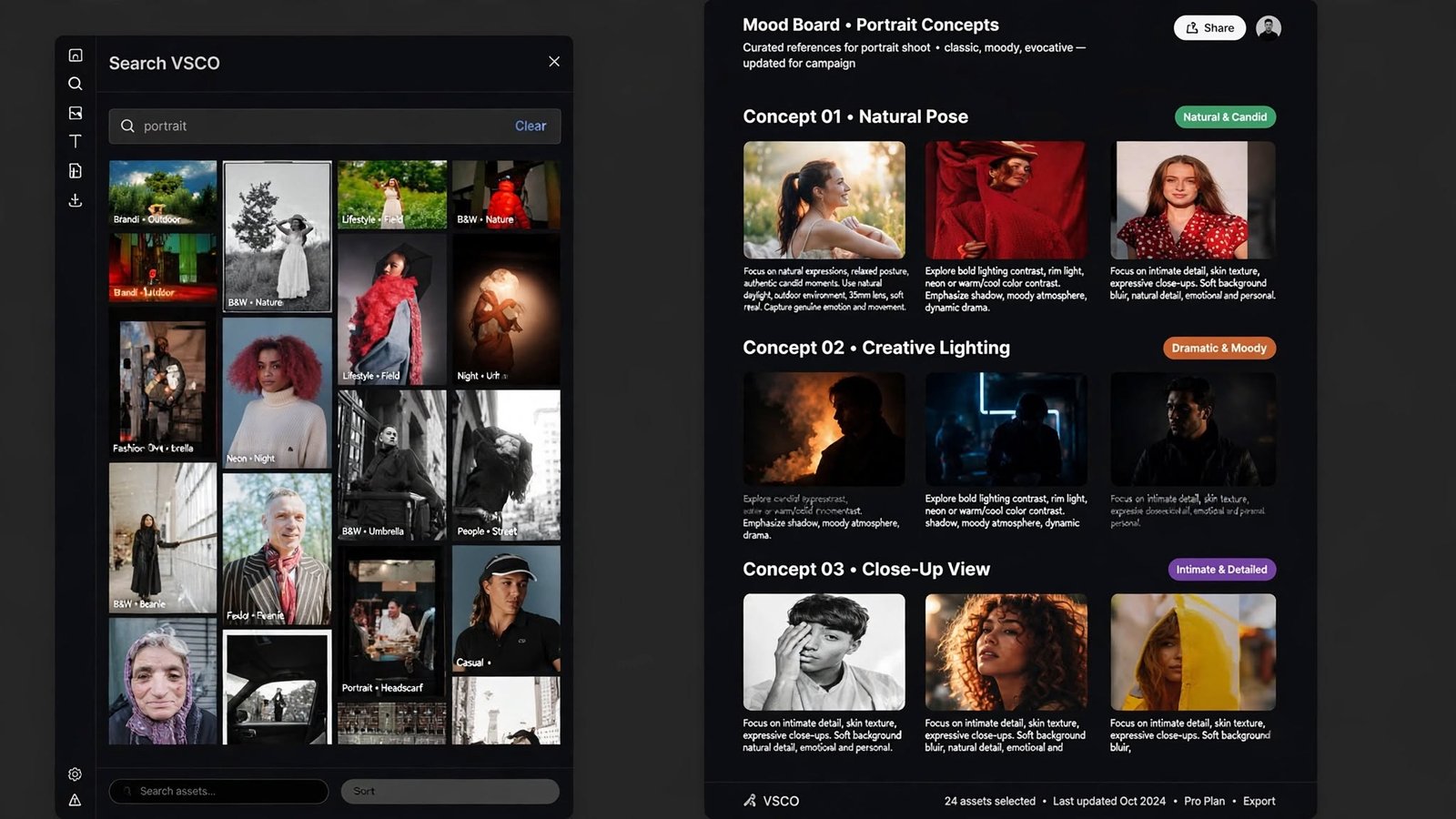
Portrait photographers can use AI to reach professionals, entrepreneurs, actors, job seekers, and businesses that need updated headshots. An AI assistant can help identify suitable audience segments, write targeted campaign messages, and develop content explaining how professional portraits support different career goals.
For personal branding photography, outreach might focus on consultants, speakers, coaches, or business owners who regularly publish content and need consistent imagery. The message can explain how a planned portrait session may provide a library of photographs for websites, profiles, presentations, and promotional materials.
This approach makes the service more tangible because it connects the photography session with the client’s practical objectives.
Product and Commercial Photographers
Commercial photographers often need to communicate with businesses that have ongoing marketing and content requirements. AI can help segment prospects by industry, prepare customized pitches, summarize project briefs, and develop follow-up messages that reference a company’s actual products or campaigns.
A product photographer approaching a growing online retailer could explain how a consistent image collection may support product pages, promotional campaigns, and future launches. A food photographer could focus on menu updates, seasonal campaigns, packaging, or brand storytelling.
The most persuasive outreach emphasizes business relevance, dependable delivery, and a clear understanding of the client’s intended use for the images. AI can help communicate these points, but a portfolio that demonstrates the required style and quality remains essential.
Real Estate Photographers
Real estate photographers can use AI to develop prospecting strategies for property agents, agencies, developers, and short-term rental managers. These clients may require interior photography, exterior images, floor-plan services, virtual tours, or recurring property coverage, depending on the business.
AI can help prepare different messages for independent agents and larger property management companies because their needs and decision-making processes may differ. It can also help create a clear service description explaining turnaround times, coverage options, and the types of properties the photographer specializes in.
A strong acquisition strategy emphasizes reliability, consistent quality, and the ability to support listing schedules. Photographers should avoid promising increased sales or rental bookings unless they have reliable evidence to substantiate such claims.
Common Mistakes to Avoid When Using AI for Photography Marketing
One of the most common mistakes is sending large numbers of AI-generated messages without checking whether they are relevant. Recipients can recognize vague, repetitive outreach, and poorly targeted campaigns may damage the photographer’s reputation rather than generate useful opportunities.
Another mistake is allowing AI to invent facts. Generated text may contain incorrect assumptions about a company’s activities, a person’s role, a previous conversation, or the photographer’s own experience. Every important claim should be verified before it is sent.
Photographers should also avoid choosing tools based on the number of features they offer rather than the problems they solve. A complex automation platform may create unnecessary costs for a freelancer who only needs a lead tracker, an email assistant, and a simple scheduling system.
Finally, AI should not become a substitute for networking, referrals, excellent service, or strong photography. Existing clients can become valuable sources of repeat business and recommendations when the working relationship is positive. Personal communication and professional reliability remain essential even when routine tasks are automated.
How to Measure the Success of AI-Powered Client Acquisition
The effectiveness of AI outreach should be measured through business outcomes rather than the volume of messages produced. Photographers need to understand whether their efforts are attracting appropriate prospects, starting useful conversations, generating qualified inquiries, and leading to profitable bookings.
Useful metrics include the number of relevant prospects contacted, positive response rate, inquiry-to-consultation rate, proposal acceptance rate, booking conversion rate, average project value, and time spent acquiring each client. Photographers who run paid campaigns should also consider campaign costs and the revenue attributable to those campaigns.
For example, a campaign that generates many replies but very few suitable inquiries may need better audience targeting. If prospects frequently request proposals but rarely confirm bookings, the photographer may need to improve pricing clarity, communicate value more effectively, or review the quality of the leads being pursued.
AI can assist with summarizing these results and identifying possible patterns, but conclusions should be based on actual business data. Testing different subject lines, audience segments, and offers over time can help photographers determine what works for their particular market.
Building an Affordable AI Workflow for Photographer Outreach
Photographers do not need a large collection of paid subscriptions to begin using AI effectively. A small, carefully selected toolkit is often enough to establish a useful client acquisition process.
Start with an AI writing assistant for research planning, message drafts, and marketing ideas. Add a spreadsheet or CRM to track prospects and conversations, then introduce email automation or scheduling software when the volume of work justifies it.
A simple weekly routine can include researching suitable prospects, reviewing their businesses, preparing personalized messages, responding to inquiries, and checking follow-up dates. AI can assist with repetitive preparation, while the photographer handles relationship-building and important decisions.
As the business grows, additional tools may become worthwhile for lead qualification, analytics, campaign management, and client onboarding. Before subscribing, compare the cost, learning curve, privacy practices, integration options, and actual time savings each tool provides.
The best system is not necessarily the most advanced one. It is the system that a photographer can maintain consistently and that produces relevant opportunities without compromising service quality.
The Future of AI Tools for Photographer Outreach and Client Acquisition
AI-powered marketing is likely to become increasingly integrated into the everyday software photographers use to manage inquiries, communicate with clients, and promote their work. Research assistance, message personalization, workflow automation, and business analytics may become easier to coordinate through connected platforms.
These developments could help independent photographers compete more effectively by reducing administrative work and making customer communication more organized. At the same time, greater automation may make authentic, thoughtful outreach even more valuable because generic messages will become easier for businesses to ignore.
Photographers who understand their niche, maintain a distinctive portfolio, and communicate their value clearly will be better positioned to use new technology effectively. AI can help identify opportunities and support the sales process, but it cannot automatically create trust, artistic judgment, or a meaningful professional relationship.
The long-term advantage will come from combining practical automation with genuine expertise and a strong understanding of the people who hire photography services.
Conclusion
AI tools for photographer outreach and client acquisition offer practical ways to find suitable prospects, personalize communication, organize leads, automate routine follow-ups, and improve the path from initial contact to confirmed booking. Writing assistants, CRM platforms, email marketing systems, prospect research tools, social media applications, and website chatbots can each support a different part of the process.
The most effective strategy begins with a clearly defined ideal client and a relevant photography offer. From there, photographers can use AI to prepare targeted outreach, maintain consistent follow-ups, manage inquiries, and measure which activities produce valuable business opportunities.
Ultimately, successful client acquisition depends on more than technology. A compelling portfolio, accurate communication, dependable service, and genuine relationships remain the foundation of a sustainable photography business.
AI works best when it strengthens these fundamentals, helping photographers spend less time on repetitive administration and more time doing the creative work that makes their services worth hiring.

1 Comment
Pingback: Canvas Helper: How This Tool Makes Designing and Creating Content Easier