



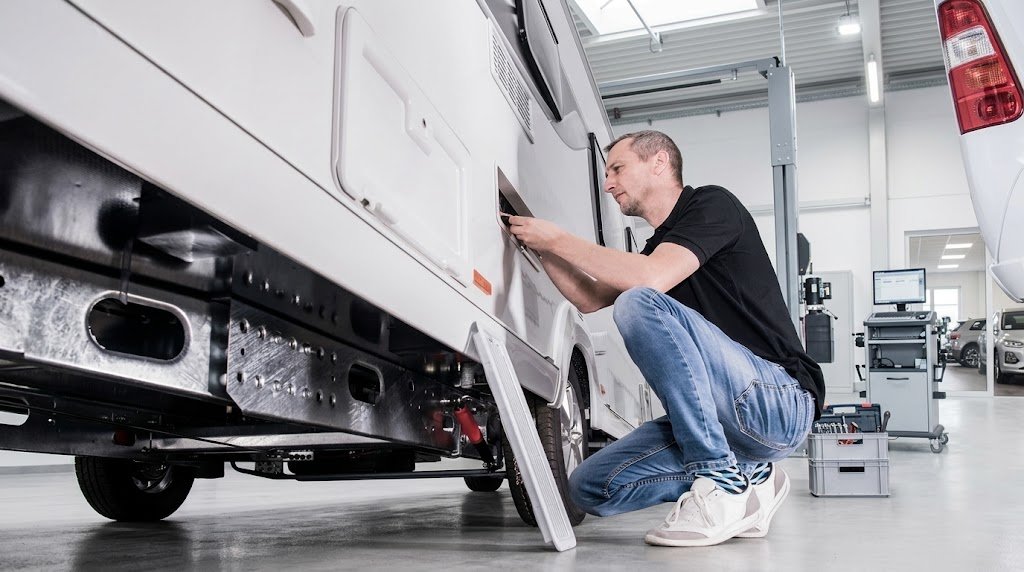
A working furnace is essential for staying comfortable inside a travel trailer, especially during cold-weather camping trips. When your travel trailer furnace is not working, the problem can range from a simple thermostat setting to an issue involving the propane supply, electrical system, airflow, ignition, or furnace components.
Before replacing expensive parts or calling for professional travel trailer furnace repair, it is worth performing a few basic troubleshooting checks. Understanding the most common furnace problems can help you identify the likely cause, determine whether the issue is something you can safely address yourself, and recognize when professional service is necessary.
How a Travel Trailer Furnace Works
Most travel trailer furnaces use a combination of propane and electricity to produce and distribute heat. When the thermostat detects that the interior temperature has dropped below the selected setting, it sends a signal requesting heat.
The furnace then activates its blower motor, checks for proper airflow and safety conditions, and begins the ignition process. Once the burner lights and produces heat, the blower distributes warm air through the ductwork and vents throughout the trailer.
Because several systems have to work together, a problem with any one of these components can prevent the furnace from operating normally. This is why troubleshooting should begin with simple external checks before moving toward more complicated possibilities.
Check the Thermostat First
One of the easiest causes of a travel trailer furnace problem is an incorrect thermostat setting. Make sure the thermostat is switched to the heating mode and that the temperature is set several degrees higher than the current interior temperature.
If the thermostat uses batteries, check whether they are weak or completely discharged. A thermostat with insufficient power may fail to communicate properly with the furnace, making it appear as though the furnace itself has stopped working.
If the thermostat display is blank, replacing the batteries may solve the problem immediately. If the display works but the furnace still does not respond, continue troubleshooting the power and furnace systems.
Make Sure the RV Battery Has Enough Power
Even though an RV furnace burns propane to generate heat, it still requires electrical power to operate its controls, blower motor, and ignition system. A weak or discharged house battery can therefore cause a furnace to stop working.
Check the battery voltage and make sure the battery connections are clean and secure. If you are connected to shore power, remember that a problem with the converter or charging system can still affect the available DC power.
A furnace may sometimes begin its startup sequence when voltage is marginal but shut down before ignition or during operation. If the blower sounds weak or the furnace repeatedly attempts to start without producing heat, low voltage should be considered as a possible cause.
Check the Propane Supply
If your travel trailer furnace blower runs but the furnace does not produce heat, the propane supply is one of the first things to investigate. Check the propane tank level and make sure the tank valve is fully open.
Other propane appliances can also provide a useful clue. If your stove or water heater is experiencing similar problems, the issue may involve the overall propane supply rather than the furnace alone.
A recently replaced or refilled propane cylinder may also require the system to be properly pressurized before appliances operate normally. If you smell propane or suspect a gas leak, turn off the propane supply, avoid flames and electrical ignition sources, and have the system inspected by a qualified professional.
Inspect the Furnace Vents and Airflow
Restricted airflow can cause a travel trailer furnace to overheat and shut itself down as a safety measure. Check the warm-air registers inside the trailer and make sure furniture, rugs, luggage, or other objects are not blocking them.
You should also check the furnace return-air opening and surrounding area for dust, debris, pet hair, or other obstructions. Good airflow is important because the furnace needs sufficient air circulation to operate safely and efficiently.
If the furnace starts normally but shuts off after running for a short time, restricted airflow may be worth investigating. Persistent overheating or repeated shutdowns should be evaluated by a qualified RV technician rather than repeatedly restarting the furnace.
Listen to What the Furnace Is Doing
The sounds your furnace makes during an attempted startup can provide valuable troubleshooting information. A completely silent furnace may indicate a thermostat, electrical, fuse, control-board, or power problem.
If you hear the blower motor running but never hear the burner ignite, the problem may involve the ignition system, propane supply, flame-sensing system, or another safety component. A furnace that repeatedly attempts ignition and then shuts down may be experiencing a fault that requires further diagnosis.
Pay attention to the sequence rather than simply asking whether the furnace works. Knowing whether the blower starts, whether ignition occurs, and whether warm air is produced can help a technician identify the problem much faster.
Check the RV Furnace Fuse
Your travel trailer furnace normally depends on the RV’s 12-volt electrical system and is protected by a fuse. A blown fuse can prevent the furnace from receiving the power it needs.
Locate the appropriate fuse in your RV’s electrical panel and inspect it according to the manufacturer’s instructions. If it is blown, replace it only with a fuse of the correct type and rating.
If the replacement fuse blows again, do not continue replacing fuses in an attempt to make the furnace work. A repeatedly blown fuse can indicate an electrical fault that should be professionally diagnosed.
Examine the Exterior Furnace Area
The exterior furnace access area can sometimes reveal obvious problems. Depending on the trailer and furnace design, you may find an exhaust outlet, intake area, access panel, or other components that need to remain unobstructed.
Inspect the exterior openings for leaves, insects, dirt, snow, mud, or other debris. Blocked intake or exhaust openings can interfere with combustion and ventilation and may cause the furnace to shut down.
Never modify, cover, or permanently block furnace ventilation openings. If you notice significant corrosion, damage, soot, unusual odors, or signs of overheating, stop using the furnace and arrange for professional inspection.
What If the Furnace Blower Runs but There Is No Heat?
A blower that runs without producing warm air is a common travel trailer furnace complaint. In this situation, the furnace has at least some electrical functionality, but the heating portion of the system may not be completing its normal operating sequence.
Possible causes include an empty propane tank, a problem with propane delivery, ignition failure, a dirty burner, a malfunctioning sail switch, a limit switch problem, or a fault in the furnace control system. The exact cause cannot always be determined simply by listening to the blower.
Start with the safe external checks, such as thermostat settings, propane availability, battery power, fuses, and unobstructed vents. If those checks do not resolve the problem, professional diagnosis is generally the safest next step.
What If the Furnace Does Not Start at All?
When nothing happens after raising the thermostat temperature, begin with the simplest possibilities. Check the thermostat, battery condition, furnace fuse, and RV electrical supply.
A disconnected battery, poor electrical connection, blown fuse, faulty thermostat, or control-board issue can prevent the furnace from entering its startup sequence. Some RV furnaces may also have additional safety controls that prevent operation when certain conditions are not met.
Avoid opening or bypassing safety switches simply to see whether the furnace will operate. These components exist to protect the occupants and the equipment, so troubleshooting should never involve defeating a furnace safety system.
Why Does the Furnace Keep Turning Off?
A furnace that starts but repeatedly shuts down may be responding to a safety condition. Restricted airflow, overheating, ignition failure, inadequate propane supply, low electrical voltage, or problems with flame detection can all contribute to repeated shutdowns.
First, make sure the vents and return-air openings are unobstructed and that the battery has adequate power. If the furnace continues to cycle improperly, it is better to have the system professionally inspected than to repeatedly restart it.
Frequent cycling can also indicate that the furnace is struggling to maintain proper operating conditions. Ignoring repeated shutdowns may turn a relatively manageable problem into a more expensive repair.
Common Travel Trailer Furnace Problems
Travel trailer furnaces can experience several recurring issues over time. These may include weak batteries, dirty or obstructed airflow paths, thermostat problems, blown fuses, propane delivery issues, ignition failures, blower-motor problems, control-board faults, and worn safety components.
The age and maintenance history of the furnace can also affect reliability. A furnace that has been exposed to dust, moisture, insects, or long periods of storage may require more attention before it operates reliably again.
Understanding the symptoms is useful, but symptoms alone do not always identify the failed component. Professional testing may be required to determine exactly which part needs repair or replacement.
Can You Repair a Travel Trailer Furnace Yourself?
Some basic troubleshooting tasks are appropriate for RV owners. Checking thermostat settings, replacing thermostat batteries, inspecting accessible fuses, confirming propane availability, checking battery condition, and removing obvious airflow obstructions are generally reasonable starting points when performed according to the RV and furnace manufacturer’s instructions.
More complicated furnace repairs should be approached with caution because the system combines propane combustion, electricity, ventilation, and safety controls. Incorrect repairs can create risks involving carbon monoxide, fire, gas leaks, electrical damage, or equipment failure.
For this reason, avoid disassembling the burner assembly, bypassing safety switches, modifying gas connections, or making electrical changes unless you have the appropriate training and equipment. When in doubt, professional travel trailer furnace repair is the safer choice.
When You Should Call an RV Furnace Technician
Professional help is recommended when basic troubleshooting does not identify the problem or when the furnace shows signs of a serious fault. Problems involving propane lines, combustion, electrical wiring, control boards, burner assemblies, or safety switches should receive particular attention.
You should also stop using the furnace if you notice a strong propane odor, unusual burning smells, excessive soot, damaged wiring, abnormal flames, repeated safety shutdowns, or signs of overheating. These symptoms should not be ignored simply because the furnace occasionally produces heat.
A qualified RV technician can test the furnace systematically instead of replacing parts based on guesswork. Proper diagnosis can save money while also helping ensure that the furnace operates safely.
How to Prevent Travel Trailer Furnace Problems
Regular maintenance can reduce the likelihood of furnace problems during a camping trip. Before traveling in cold weather, test the furnace while you are still at home or at a location where professional assistance is readily available.
Inspect the exterior furnace area for debris and make sure the vents and registers inside the trailer remain unobstructed. Keeping the RV battery properly charged is also important because furnace operation depends on reliable 12-volt power.
It is also wise to have the furnace and other propane appliances inspected periodically, especially if the RV is older or has been stored for an extended period. Preventive maintenance can help identify worn components before they fail during a freezing night.
Keep Carbon Monoxide Safety in Mind
Any fuel-burning appliance in an RV requires proper ventilation and carbon monoxide safety precautions. Carbon monoxide is an odorless and potentially dangerous gas, so relying on smell alone is never an adequate safety measure.
Make sure your travel trailer has functioning carbon monoxide detectors and follow the manufacturer’s recommendations for testing and replacement. Never operate a malfunctioning furnace simply because you need heat.
If a carbon monoxide alarm activates, leave the RV and seek fresh air while following the alarm manufacturer’s safety instructions. Have the suspected appliance and ventilation system professionally inspected before using the furnace again.
Final Thoughts on Travel Trailer Furnace Repair
When your travel trailer furnace is not working, the best approach is to start with simple and safe checks before assuming that an expensive component has failed. Thermostat settings, battery power, propane availability, fuses, airflow, and furnace vents are all worth checking first.
If these basic troubleshooting steps do not solve the problem, or if you notice signs of a propane, combustion, electrical, or safety issue, professional travel trailer furnace repair is the appropriate next step. A qualified technician can diagnose the system properly and repair the underlying problem rather than simply treating the symptoms.
With regular maintenance and early attention to unusual furnace behavior, RV owners can reduce unexpected heating failures and enjoy more comfortable camping trips. A little preparation before cold-weather travel can make a significant difference when you depend on your furnace to keep your travel trailer warm.
