



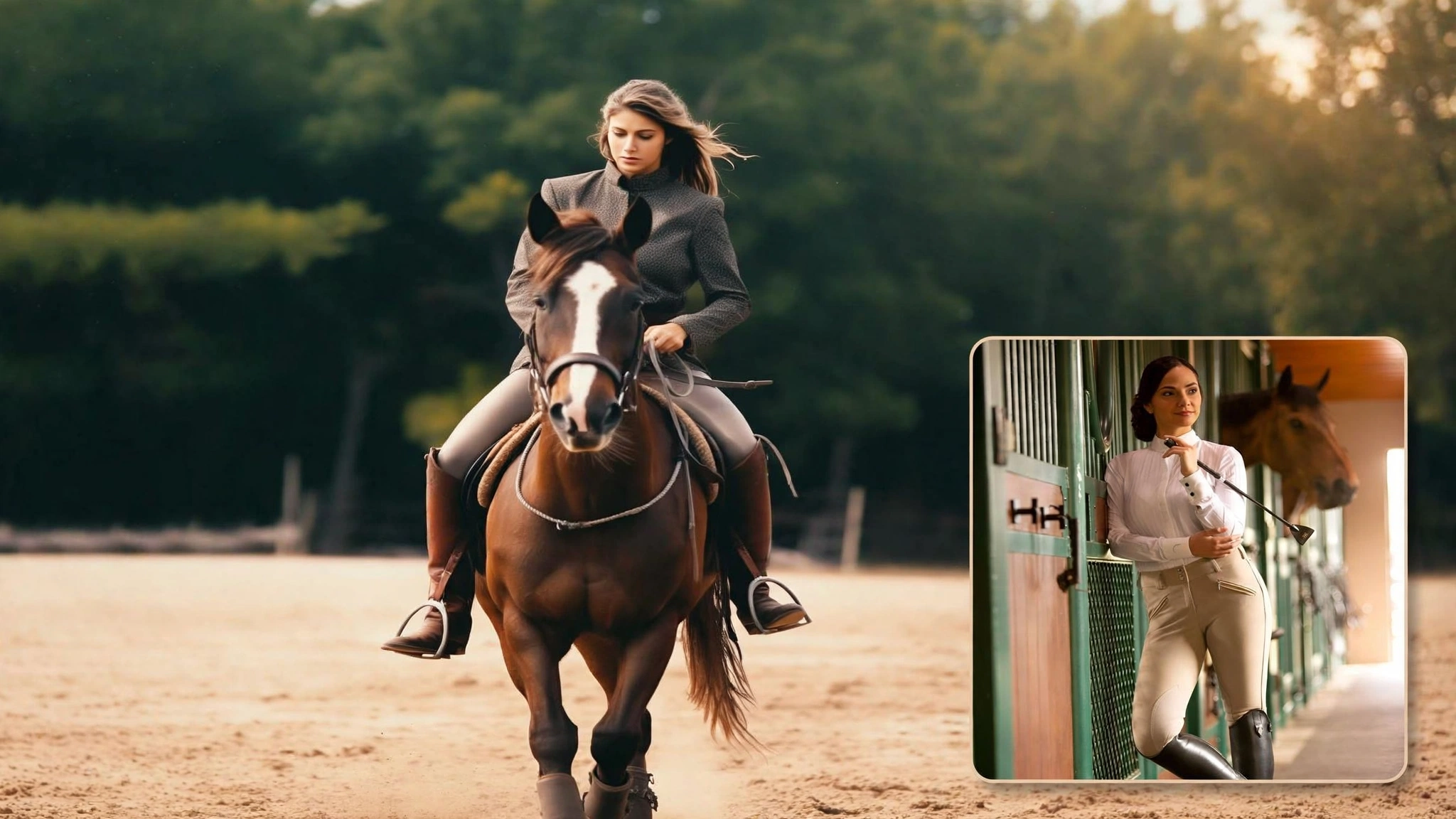
A riding crop is a short, flexible riding aid commonly used by equestrians to reinforce leg and seat cues when communicating with a horse. Although it is a simple piece of equipment, learning how and when to use a riding crop correctly is an important part of responsible horse riding.
For beginners, a riding crop can seem intimidating or unnecessary at first. In reality, when used correctly and thoughtfully, it can help make communication between horse and rider clearer without replacing proper training, balance, leg aids, or a good understanding of horse behavior.
What Is a Riding Crop?
A riding crop is a lightweight, flexible stick designed to be carried by a mounted rider. It generally consists of a handle, a flexible shaft, and a small flap or keeper at the end.
Different crops are designed for different equestrian activities, and their length, flexibility, grip, and end design can vary. The appropriate crop depends on the rider’s discipline, riding position, horse, and the instructions of a qualified trainer.
A riding crop should be viewed primarily as a communication aid, not as a tool for punishment. Its purpose is to reinforce an aid that the horse already understands rather than to replace training or create fear.
What Is a Riding Crop Used For?
The primary purpose of a riding crop is to reinforce a rider’s existing aids. For example, a rider may first use their leg to ask a horse to move forward and use the crop only if the horse does not respond appropriately.
This can help make the rider’s communication more consistent. The crop provides an additional signal that can support the rider’s leg, seat, and voice cues.
In many cases, effective use is more about timing than force. A well-timed, minimal aid can communicate an expectation more clearly than repeated or excessive use.
How Does a Riding Crop Help a Beginner?
Beginners often concentrate heavily on maintaining balance, steering, and controlling the reins. As a result, their leg aids may not always be clear or strong enough to communicate effectively with the horse.
A crop can provide additional support when appropriate instruction has already established the basic cue. Rather than constantly relying on it, the rider can learn to use it selectively while developing better coordination and confidence.
It is important for beginners to understand that a crop does not make someone a better rider by itself. Good riding comes from balance, timing, correct position, clear aids, patience, and understanding the horse.
Different Types of Riding Crops
Riding crops come in several styles, with differences in length, flexibility, handle design, and intended use. Some are designed for general riding, while others are associated with particular equestrian disciplines.
Dressage crops, for example, are typically longer than many jumping crops because the rider may need to reinforce leg aids while maintaining a specific riding position. Jumping crops are generally shorter and designed to remain practical when riding over fences.
Other riding disciplines may use different styles of crops or riding whips. The best choice should be based on the rules of the discipline, the rider’s experience, and guidance from a knowledgeable instructor.
Riding Crop vs. Riding Whip
The terms riding crop and riding whip are sometimes used interchangeably, but they can refer to somewhat different pieces of equipment. A riding crop is generally shorter and commonly carried by riders in disciplines such as jumping or general English riding.
A riding whip can be longer and may be designed for specific forms of training or particular riding disciplines. The correct terminology and equipment can vary between equestrian traditions.
If you are participating in a competition, always check the rules of the relevant governing organization. Equipment regulations can differ depending on the discipline and level of competition.
How to Hold a Riding Crop
Holding a riding crop correctly should allow you to maintain control of your reins and remain balanced in the saddle. The crop should not interfere with your ability to steer, communicate with the horse, or maintain a secure riding position.
Beginners should learn the correct grip from an instructor because the appropriate technique can depend on the type of riding and the equipment being used. The crop should generally remain controlled rather than swinging loosely beside the horse.
A good riding position should always come first. If holding a crop causes the rider to lose balance or pull unnecessarily on the reins, the rider needs more practice before attempting to use it independently.
How to Use a Riding Crop Correctly
A riding crop should normally reinforce an aid rather than serve as the first response to a horse that does not move forward. A rider may first give a clear leg cue and allow the horse an opportunity to respond.
If the horse does not respond appropriately, an instructor may teach the rider how to reinforce the original cue with the crop. The signal should be controlled, proportionate, and immediately followed by an appropriate release when the horse responds.
Timing is particularly important. Using a crop repeatedly without giving the horse a clear opportunity to respond can create confusion and may reduce the effectiveness of the aid.
Why Timing Matters
Good communication with a horse depends heavily on timing. The horse needs to be able to understand which behavior resulted in the release or reward of pressure.
If a rider uses a crop long after giving an unrelated cue, the horse may not understand what the rider is asking. This is why learning under an experienced instructor is especially valuable for beginners.
Correct timing allows the crop to remain a secondary aid. The ultimate goal is for the horse to respond promptly to lighter, clearer signals whenever possible.
Can a Riding Crop Hurt a Horse?
A riding crop can cause discomfort or injury if it is used improperly, excessively, or aggressively. Responsible equestrian training therefore emphasizes controlled use and prioritizes the horse’s welfare.
The crop should never be used out of frustration, anger, or as a way to punish a horse. A rider who is becoming frustrated should stop, regain composure, and seek guidance rather than escalating physical pressure.
If a horse suddenly stops responding to familiar aids, there may be an underlying reason. Pain, poorly fitted tack, fatigue, fear, confusion, training problems, or other physical or behavioral issues should be considered rather than simply increasing the use of a crop.
Riding Crop Safety Tips
Safety begins with choosing appropriate equipment and learning to use it under supervision. Beginners should practice carrying and controlling a crop before attempting to use it as an active riding aid.
The rider should remain aware of the horse’s reactions throughout the session. Sudden changes in behavior can indicate discomfort, nervousness, confusion, or an environmental concern.
A riding crop should never be waved aggressively around a horse or used in a way that unnecessarily frightens the animal. Calm handling helps maintain trust and creates a safer environment for both horse and rider.
Choosing the Right Riding Crop
Choosing a riding crop involves more than selecting a particular color or design. Consider the riding discipline, crop length, flexibility, handle, grip, and the recommendations of your instructor.
A beginner should generally avoid buying equipment simply because it looks professional. The most useful crop is one that is appropriate for the rider’s discipline and comfortable to control without affecting balance or rein handling.
Competition riders should also consider equipment regulations. Some organizations restrict the permitted length or type of crop in particular classes, so checking current competition rules is important.
How Long Should a Riding Crop Be?
The appropriate length depends on how and where the crop will be used. A crop intended for jumping, for example, may be shorter and easier to manage while the rider is negotiating fences.
A longer dressage-style crop can help a rider reinforce leg aids without significantly changing their hand position. However, length should never be selected without considering the rider’s discipline and training requirements.
Your instructor can help you choose a suitable length based on your riding style, horse, and level of experience.
Common Mistakes When Using a Riding Crop
One common mistake is using the crop before giving the horse a clear primary aid. The horse may then learn to wait for the stronger signal rather than responding promptly to the rider’s normal cues.
Another mistake is repeatedly using the crop because the first aid did not produce an immediate response. Repetition without understanding the reason for the horse’s behavior can create tension and may hide a training, health, or equipment problem.
Beginners should also avoid allowing the crop to become a substitute for proper riding technique. Improving balance, leg position, seat, timing, and communication should remain the primary focus.
When Should You Not Use a Riding Crop?
There are situations in which using a crop may be inappropriate. If a horse is frightened, confused, in pain, exhausted, or behaving unusually, increasing physical pressure may make the situation worse.
A sudden change in responsiveness should encourage the rider to investigate the cause rather than automatically increasing the intensity of the aid. Checking tack fit and the horse’s physical condition may be necessary, and professional advice can be appropriate.
A crop should also never be used as an outlet for anger. Responsible riding requires emotional control and a commitment to treating the horse humanely.
Teaching a Horse to Respond Without Excessive Crop Use
The long-term goal of training is generally to develop a horse that responds reliably to light, understandable aids. Consistent training can help establish this response without requiring frequent reinforcement.
When a horse responds correctly, the rider should provide an appropriate release and continue riding calmly. Over time, the horse can learn that a light leg or seat cue has a predictable meaning.
This approach encourages cooperation rather than dependence on stronger physical signals. It also helps create a more harmonious partnership between horse and rider.
Riding Crop Etiquette for Equestrians
Good riding etiquette involves using equipment discreetly and responsibly. Riders should be considerate of other horses and people when carrying or handling a crop in shared arenas, stables, and competition environments.
A crop should never be used to intimidate another rider or horse. It is a specialized riding aid and should be treated as part of responsible equestrian equipment.
Following the rules of your riding school, stable, or competition organization is equally important. Different facilities may have specific expectations about when and how crops may be carried or used.
Do Beginners Need a Riding Crop?
Not every beginner needs a riding crop. Many new riders can learn the fundamental skills of mounting, walking, steering, stopping, and developing balance without using one.
A crop may become useful later when an instructor determines that it can help clarify a particular aid. The decision should be based on the individual rider and horse rather than the assumption that every beginner needs additional equipment.
For someone just starting horse riding, investing in lessons and proper safety equipment is generally more important than immediately buying advanced riding accessories.
How to Become a Better Horse Rider
Becoming a better rider requires regular practice and a willingness to improve basic skills. Work on maintaining a balanced seat, developing an independent hand, using effective leg aids, and staying relaxed while following the horse’s movement.
Groundwork and horse-handling experience can also improve your understanding of equine behavior. Learning how to groom, tack up, lead, and safely interact with horses can make mounted lessons more productive.
Most importantly, learn from qualified instructors and experienced horse people. Good instruction can help you recognize mistakes early and develop safer, more effective habits.
Frequently Asked Questions About Riding Crops
Is a riding crop necessary for horse riding?
No, a riding crop is not necessary for every rider or every horse. Many riders develop excellent skills without regularly using one.
A crop can be useful as a secondary communication aid when recommended by an instructor and used correctly.
Can beginners use a riding crop?
Beginners can learn to carry and use a riding crop, but they should do so under appropriate instruction. Understanding the correct timing, purpose, and level of pressure is more important than simply knowing how to hold one.
New riders should focus first on balance, posture, steering, stopping, and effective basic aids.
What is the difference between a riding crop and a whip?
A riding crop is generally shorter and commonly used as a reinforcement for the rider’s aids. A riding whip may be longer and can be designed for specific training methods or riding disciplines.
The exact terminology and permitted equipment vary between equestrian sports.
Should a riding crop be used for punishment?
No. A riding crop should not be used as an instrument of anger or punishment.
Its appropriate role is to reinforce a clear, previously established riding aid when necessary, with the horse’s welfare and the rider’s safety remaining the priority.
Final Thoughts on Using a Riding Crop
A riding crop can be a useful piece of equestrian equipment when it is selected appropriately and used with knowledge, timing, and restraint. It should complement good riding rather than replace proper training, balance, leg aids, or communication.
For beginners, the best approach is to learn the fundamentals first and introduce additional equipment under the guidance of a qualified instructor. A calm, educated rider is far more important than any individual piece of tack.
When used responsibly, a riding crop can support clearer communication between horse and rider. The ultimate goal is not to rely on stronger aids but to develop a balanced partnership in which the horse understands and responds to subtle, consistent signals.
