



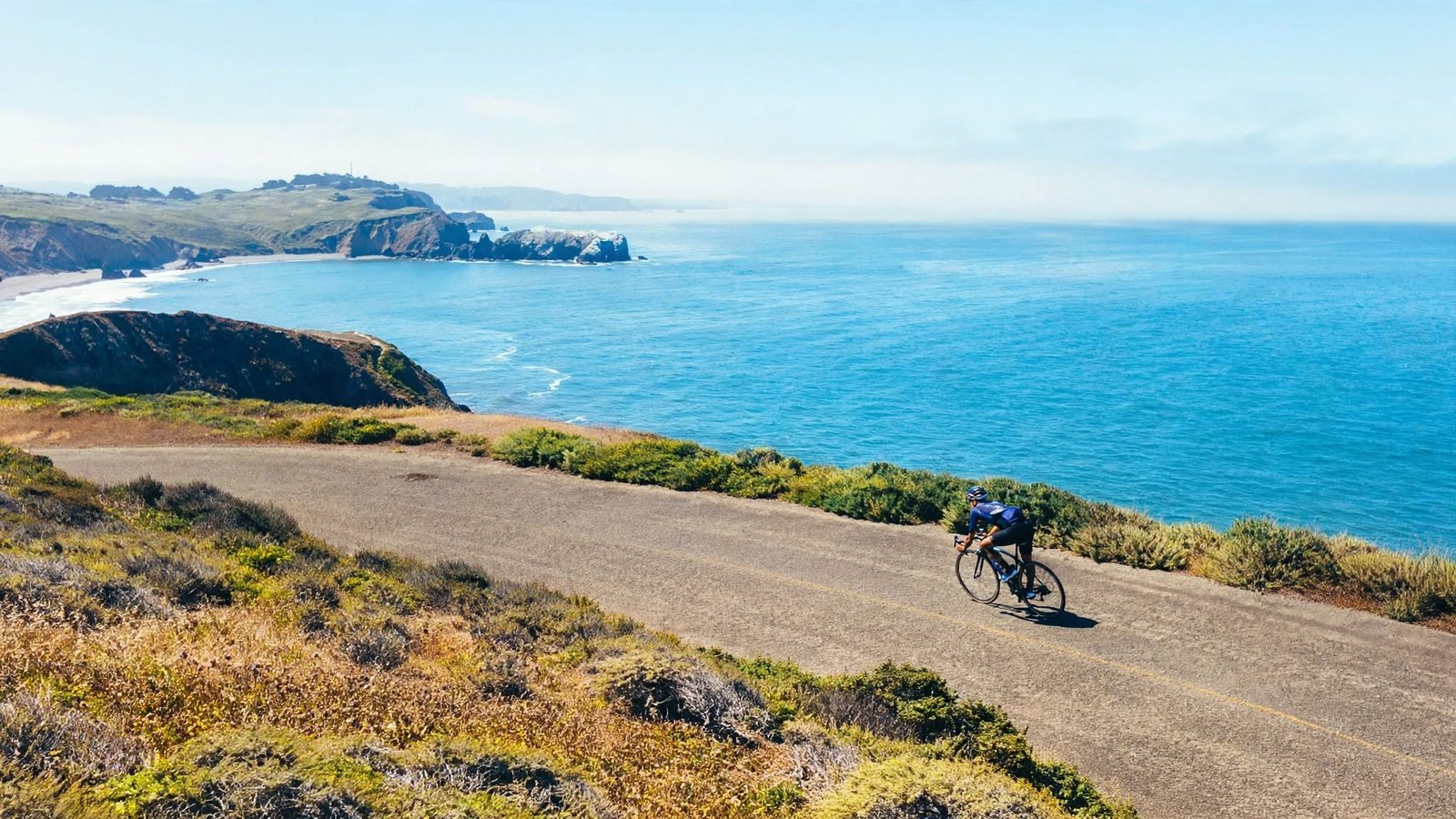
Camping cycling holidays in Spain combine the freedom of travelling by bicycle with the adventure of sleeping outdoors, allowing you to explore scenic countryside, coastal roads, mountain landscapes, and traditional Spanish villages at your own pace. Whether you prefer relaxed rides along the Mediterranean coast, challenging climbs through the Pyrenees, or peaceful journeys across rural Andalucía, Spain offers a remarkable variety of cycling experiences for different fitness levels and travel styles.
The beauty of this type of holiday lies in its flexibility. You can spend the morning cycling through olive groves, stop for a leisurely lunch in a village square, and finish the day at a campsite surrounded by nature. With a well-planned route, suitable camping equipment, and realistic daily distances, a cycling and camping trip in Spain can be an affordable, active, and rewarding way to discover the country beyond its busiest tourist destinations.
Why Choose Spain for a Camping and Cycling Adventure?
Spain is an excellent destination for cycling holidays because its landscapes, climate, and regional cultures change dramatically as you travel from one area to another. The country offers Mediterranean beaches, green northern valleys, dramatic mountain passes, open plains, and quiet agricultural roads, creating opportunities for everything from gentle sightseeing rides to demanding multi-day adventures.
Another major advantage is the variety of accommodation available to cyclists. Many regions have established campsites, rural camping areas, and outdoor holiday parks, although facilities and opening seasons vary. Some campsites provide hot showers, drinking water, laundry facilities, restaurants, and secure places to store bicycles, making it easier to recover after a long day on the road.
Spain also offers a rich cultural experience that adds depth to every journey. You can explore historic towns, visit local markets, sample regional dishes, and discover small communities that might be missed when travelling by car. Combining these experiences with outdoor living makes a camping cycling holiday more than just a sporting challenge; it becomes a chance to experience everyday Spanish life at a slower pace.
Discover Spain’s Most Scenic Cycling Routes
Choosing the right region is one of the most important decisions when planning your trip. Spain has routes suitable for beginners, experienced road cyclists, touring enthusiasts, and mountain bikers, but the terrain, road conditions, weather, and availability of campsites can differ considerably.
Cycling Along the Mediterranean Coast
Spain’s Mediterranean coastline is an appealing choice for travellers who enjoy sea views, warm weather, and relaxed cycling days. Areas of Catalonia, the Costa Brava, and the Valencian Community offer opportunities to combine coastal riding with visits to fishing villages, historic towns, sandy beaches, and lively seaside markets.
The Costa Brava is particularly attractive for cyclists who enjoy varied scenery. Routes around the region can lead past rocky coves, pine-covered hills, medieval villages, and stretches of coastline with spectacular views. However, some coastal roads are narrow or busy, especially during the summer holiday season, so quieter inland alternatives and dedicated cycling paths can make the journey more enjoyable.
A coastal camping trip works especially well for travellers who want flexibility rather than a demanding daily schedule. You might spend one day cycling between beaches, the next exploring a historic town, and another enjoying a shorter ride before relaxing at the campsite. Planning overnight stops carefully helps you avoid unnecessary detours and leaves more time to enjoy the landscape.
Exploring the Pyrenees by Bicycle
For cyclists seeking dramatic scenery and a physical challenge, the Pyrenees provide some of Spain’s most memorable riding opportunities. This mountain range forms a natural boundary between Spain and France, with winding roads, forested valleys, alpine scenery, and steep climbs that appeal to experienced road cyclists and adventurous touring riders.
Routes in the Spanish Pyrenees can take you through areas of Catalonia, Aragón, and Navarre, where traditional villages sit beneath impressive mountain peaks. The landscape changes with elevation, from green valleys and wooded slopes to exposed mountain roads with panoramic views. On suitable routes, quieter valleys can also provide a more relaxed experience for cyclists who prefer sightseeing over tackling famous climbs.
Mountain cycling holidays require more preparation than coastal trips. Climbs can be longer than expected, weather conditions may change quickly, and high-altitude routes can remain cold even when the lowlands are warm. Choose daily distances according to your fitness, check forecasts before setting out, and identify campsites or alternative accommodation before committing to remote sections of a route.
Discovering Rural Andalucía
Andalucía, in southern Spain, offers a different kind of cycling adventure, with whitewashed villages, olive-growing landscapes, historic cities, and quiet country roads. The region’s varied scenery makes it particularly attractive to travellers who want to combine outdoor activities with architecture, food, and cultural exploration.
Cycling through the countryside around Córdoba, Granada, or parts of Jaén can reveal traditional farms, rolling hills, and villages where local life moves at a gentler pace. Depending on your route, you may encounter Moorish architecture, centuries-old churches, small plazas, and regional food markets. These stops give you opportunities to rest, refill supplies, and experience the distinctive character of southern Spain.
The main consideration is heat. Summer temperatures in inland Andalucía can become extremely high, making long rides uncomfortable and potentially dangerous. Spring and autumn are generally better choices for many cycling routes in the region, while early starts, frequent water stops, and shaded breaks are important whenever warm conditions are expected.
Following Greenways and Converted Railway Trails
Spain’s network of former railway routes, commonly known as Vías Verdes, offers some of the most approachable cycling experiences in the country. These paths use disused railway lines that have been adapted for walking and cycling, often passing through tunnels, across old bridges, and alongside farmland, forests, and small settlements.
Because many railway routes were designed with gentle gradients, they can be particularly suitable for families, recreational cyclists, and travellers who prefer a comfortable pace. Their surfaces vary, however, and some sections may be gravel, compacted earth, or uneven terrain rather than smooth asphalt. A hybrid bike, touring bike, or suitable gravel bike is often a practical choice.
Greenways can also simplify camping holidays because they frequently pass near villages where you can purchase food, refill water bottles, or arrange overnight accommodation. Before setting off, check the condition of your chosen route, whether tunnels are open, and how easily you can reach a campsite at the end of the day.
Finding the Best Campsites for a Cycling Holiday
The campsite you choose can have a significant impact on the comfort and convenience of your journey. For cyclists travelling with a tent, useful facilities include clean showers, drinking water, toilets, washing areas, food shops nearby, and a safe place to leave bicycles. A small campsite in a quiet rural setting may offer a more peaceful experience than a large holiday park, while a larger site may provide restaurants, swimming pools, and additional services.
Location matters just as much as facilities. A campsite close to your planned route can save valuable time and reduce unnecessary climbing or detours, particularly when carrying camping equipment. In mountain regions, check the elevation and access road before booking, while coastal travellers should consider how far the campsite is from busy main roads and popular tourist areas.
It is also important to confirm that a campsite is open during your travel dates. Some Spanish campsites operate seasonally, particularly in mountain areas, while others become extremely busy during summer holidays and public festivals. Contact the campsite directly when necessary to confirm availability, bicycle storage arrangements, tent pitches, and any restrictions that could affect your plans.
Wild camping should never be assumed to be permitted simply because a location appears remote. Rules differ between regions, protected natural areas, and private properties, so using authorised campsites or checking the applicable local regulations is the safest approach. This also helps protect sensitive landscapes and reduces the risk of disturbing wildlife or local communities.
How to Plan Your Daily Cycling Distances
One of the most common mistakes on a camping cycling holiday is planning too many kilometres each day. Travelling by bicycle with a tent, sleeping bag, cooking equipment, clothing, food, and water is considerably more demanding than riding with a lightweight daypack, especially when the route includes hills or unpaved tracks.
For beginners, a daily distance of around 25 to 40 kilometres can be a sensible starting point on relatively flat terrain. Recreational cyclists may prefer 40 to 70 kilometres, while experienced touring cyclists can sometimes cover longer distances when road conditions, weather, fitness, and luggage allow. These are only planning guidelines; a short mountain route may require more effort than a much longer ride across flat countryside.
Allow additional time for sightseeing, meals, photography, puncture repairs, and campsite check-in. It is usually better to arrive early enough to pitch your tent and relax than to spend the final hours of daylight rushing through unfamiliar roads. Building occasional rest days into your itinerary also gives you the freedom to explore a town or recover after several demanding stages.
Before leaving each morning, review the route and identify places to buy food and water. Rural shops may close during certain hours or be widely spaced, especially in sparsely populated areas. Carrying enough supplies to reach the next reliable stop makes the journey safer and more comfortable.
The Best Time of Year for Camping Cycling Holidays in Spain
Spring and autumn are often the most comfortable seasons for cycling and camping in much of Spain. During spring, many regions have green landscapes, blossoming trees, and pleasant temperatures, although rain and changing weather can affect northern areas and the mountains. Autumn can bring comfortable riding conditions, colourful countryside, and fewer visitors in some popular destinations.
Summer is suitable for certain coastal and northern routes, but extreme heat can make inland cycling difficult. Southern Spain and exposed areas of the interior can experience particularly high daytime temperatures, so summer itineraries should prioritise early morning rides, shorter stages, regular hydration, and shaded breaks. Campsites near the coast may also be crowded and more expensive during peak holiday periods.
Winter can work for selected lowland routes, especially in milder coastal areas, but it is less predictable for camping. Mountain roads may experience snow, freezing temperatures, or closures, and some campsites may shut for the season. Travellers considering a winter trip should check local forecasts, campsite operating dates, and route conditions before making firm plans.
Rather than choosing dates based on the calendar alone, consider the specific region you want to explore. Northern Spain, the Mediterranean coast, the central plateau, and Andalucía can have very different weather conditions at the same time of year.
Essential Equipment for a Comfortable Cycling and Camping Trip
Packing carefully is essential because everything you bring must be carried on your bicycle or transported separately. A lightweight, weather-resistant tent, a suitable sleeping bag, and a compact sleeping mat provide the foundation for a comfortable night outdoors. Your equipment should match the expected temperatures, rainfall, and campsite conditions rather than simply being the smallest or lightest available.
For the bicycle, bring a reliable repair kit, spare inner tubes or compatible tubeless repair supplies, tyre levers, a pump, a multi-tool, and basic chain maintenance products. Check that your tyres are appropriate for the surfaces you intend to ride, since smooth road tyres may be unsuitable for rough gravel tracks. A well-maintained bicycle is particularly important when travelling through remote areas where repair shops may be difficult to reach.
Clothing should be lightweight, quick-drying, and suitable for changing conditions. Padded cycling shorts, breathable jerseys, comfortable off-bike clothing, a waterproof layer, warm layers for cool evenings, and sun protection are useful for most trips. A helmet, front and rear lights, reflective details, and a basic first-aid kit should also be part of your preparation.
Navigation and communication equipment deserve equal attention. Download offline maps, carry a power bank, and keep your phone protected from rain and dust. A paper map can provide a useful backup in areas with poor mobile coverage, while a simple list of campsite addresses and emergency contacts makes it easier to adapt if your original plan changes.
Food and Drink on the Road
Food is one of the pleasures of a cycling holiday in Spain, where regional cuisine varies from one area to another. Fresh bread, fruit, cheese, olives, eggs, rice dishes, and locally prepared meals can provide convenient energy for long riding days. Stopping at a village bakery or market also creates opportunities to discover regional products and support small businesses.
Breakfast should provide enough energy for the morning ride, while lunch can be a relaxed stop at a café, restaurant, or picnic area. Carry snacks such as fruit, nuts, or energy bars for stretches where food outlets are limited. After a demanding ride, a balanced meal containing carbohydrates, protein, and vegetables helps replenish energy and supports recovery.
Hydration is especially important in Spain’s warmer regions. Carry enough water for the distance between reliable refill points, and increase your intake when cycling in hot or exposed conditions. For longer rides in high temperatures, electrolyte drinks or suitable electrolyte products may help replace salts lost through sweating, particularly when combined with regular rest breaks.
If you plan to cook at the campsite, choose simple meals that require minimal equipment and water. A compact stove can be useful where permitted, but always follow campsite fire rules and local restrictions, which may become stricter during periods of high wildfire risk. Confirm that your cooking arrangements are allowed before using any open flame.
Safety Tips for Cycling Through Spain
Safe cycling begins with route selection. Although Spain has many beautiful cycling roads, not every road is comfortable for bicycles, and some major routes carry fast-moving traffic. Whenever possible, use established cycle paths, signed cycling routes, quiet secondary roads, and suitable greenways rather than relying on busy highways.
Make yourself visible with functioning lights, reflective clothing, and predictable riding behaviour. Learn the local traffic rules before departure, and leave enough space between riders when cycling in a group. On mountain descents, reduce speed when necessary, watch for loose gravel and sharp bends, and avoid pushing beyond your experience level.
Weather awareness is equally important. Heat, strong winds, thunderstorms, and sudden temperature changes can affect cycling conditions, particularly in exposed coastal and mountain areas. Check forecasts each day, carry appropriate clothing, and be prepared to shorten a stage or change your route if conditions deteriorate.
Keep essential items secure and avoid leaving valuables unattended at campsites or public stops. It is also sensible to share your itinerary with someone you trust, carry identification, and know how to contact local emergency services. Travel insurance that covers cycling, camping, and any planned mountain biking activities can provide additional peace of mind, but check the policy carefully for exclusions and equipment coverage.
Exploring Spain’s Hidden Gems Beyond the Tourist Routes
Some of the most rewarding moments on a cycling holiday happen away from famous destinations. A quiet village square, a family-run bakery, an old stone bridge, or a shaded path beside a river can become a highlight of the journey, particularly when you have enough time to explore without rushing towards the next overnight stop.
In rural Catalonia, inland villages and agricultural landscapes offer a quieter contrast to the busy Mediterranean coast. In Aragón, cyclists can discover historic settlements, broad valleys, and mountain scenery, while parts of Castilla y León provide opportunities to ride through open countryside and visit towns rich in architectural heritage. Each region has its own character, so allowing time for unplanned stops can make a trip feel more personal.
Northern Spain also deserves attention from travellers who prefer greener scenery. Parts of Asturias, Cantabria, and Galicia offer wooded hills, coastal viewpoints, traditional villages, and a distinctive food culture. The terrain can be hilly, and rain is more common than in many southern regions, but the landscapes reward cyclists who enjoy quieter roads and changing scenery.
The key is to balance exploration with practical planning. A remote route may look appealing on a map but offer few shops, limited water supplies, or no convenient campsite nearby. Researching the next stage in advance allows you to explore confidently while leaving room for spontaneous discoveries.
Budgeting for a Camping Cycling Holiday in Spain
Camping can help keep accommodation costs manageable, especially for travellers who bring their own tent and equipment. However, the overall budget depends on the region, time of year, campsite facilities, food choices, transport costs, and whether you need to rent a bicycle or purchase specialist gear.
A practical budget should account for campsite pitches, meals, drinking water, snacks, bicycle maintenance, local transport, and occasional accommodation upgrades. Travelling outside peak holiday periods may improve availability and reduce costs in some destinations, while preparing breakfast and some evening meals yourself can make daily spending more predictable.
Remember to include expenses that are easy to overlook, such as train tickets, bicycle transport fees, luggage transfers, replacement parts, and insurance. If you are travelling internationally, also consider the cost of getting your bicycle and camping equipment to Spain. Planning these details early can prevent an otherwise affordable holiday from becoming unexpectedly expensive.
You do not need to eliminate every comfort to keep costs down. A mixture of campsite cooking, inexpensive local restaurants, and occasional rest days in a comfortable guesthouse can create a good balance between budget and enjoyment.
A Sample Seven-Day Camping Cycling Itinerary
A seven-day itinerary is a useful way to experience Spain without attempting to cover too much ground. For a coastal adventure, you could choose a section of Catalonia, using a campsite near the Costa Brava as a base for some nights and moving between authorised campsites on others. The precise route should depend on your starting point, fitness, bicycle type, and the seasonal availability of accommodation.
On the first day, arrive in the region, assemble your bicycle if necessary, and complete a short test ride to check the brakes, gears, tyres, and luggage setup. Spend the second day following a manageable coastal or inland route, allowing time to explore a village and enjoy a relaxed lunch before reaching your campsite.
On the third day, plan a longer ride through quieter countryside, stopping at local markets or historical sites along the way. The fourth day can be a shorter stage or a rest day, giving you time to enjoy a beach, visit a nearby town, or recover from the first few days of cycling.
For the fifth day, explore another section of the coast or follow an established cycling path through the countryside. On the sixth day, choose a route that combines scenic riding with a final overnight stop near your departure point. Reserve the seventh day for a short morning ride, packing, and onward travel.
This itinerary is a flexible framework rather than a fixed route, and campsite locations should be confirmed before departure. If you prefer mountains or inland landscapes, the same structure can be adapted to the Pyrenees or another region, with shorter daily distances where climbs make the riding more demanding.
Is Spain Suitable for Beginners and Families?
Spain can be an excellent destination for beginners and families, provided the route is chosen carefully. Flat coastal paths, suitable greenways, and short rural stages can offer a manageable introduction to multi-day cycling, while established campsites provide places to rest, prepare meals, and recover after each ride.
Families should prioritise low-traffic routes, reasonable daily distances, reliable access to drinking water, and campsites with suitable facilities. It is also worth considering the ages and abilities of younger riders, the weight of luggage, and whether a support vehicle or luggage-transfer service would make the experience more enjoyable.
Beginners should avoid assuming that a short distance will always be easy. Hills, headwinds, hot weather, and heavy panniers can make even a modest stage demanding. Practising with a fully loaded bicycle before the holiday helps identify equipment problems and provides a more realistic idea of how far you can comfortably travel.
For a first trip, choosing one region and completing a circular route or a series of short stages is often more enjoyable than trying to cross the country. As your confidence grows, you can plan longer journeys and explore more challenging landscapes.
Responsible Travel and Respect for Nature
A memorable camping cycling holiday should also minimise its impact on the places you visit. Stay on designated paths, follow campsite rules, avoid disturbing wildlife, and take all rubbish with you when facilities are unavailable. Natural areas can be particularly vulnerable to litter, erosion, and disturbance during busy travel periods.
Supporting local businesses is another practical way to travel responsibly. Buying food from village shops, eating at independent restaurants, and using locally operated campsites helps direct some of your travel spending towards the communities that make your journey possible. Learning a few basic Spanish phrases can also make everyday interactions easier and help you communicate respectfully with local residents.
Water conservation matters in many parts of Spain, especially during dry periods. Use campsite facilities thoughtfully, avoid unnecessary water waste, and follow local guidance regarding drought conditions and fire restrictions. Small decisions throughout the journey can help preserve the landscapes that make cycling holidays so appealing.
How to Prepare for Your First Camping Cycling Holiday in Spain
Start by choosing a region that matches your interests, fitness, and available travel time. Coastal Catalonia may suit travellers who enjoy beaches and varied sightseeing, the Pyrenees may appeal to experienced cyclists seeking mountain scenery, and Andalucía can be rewarding for those interested in traditional villages and cultural heritage. Greenways are worth considering if you prefer quieter routes with gentler gradients.
Next, plan your daily stages around realistic distances and confirmed overnight accommodation. Check route surfaces, elevation changes, water availability, food stops, and seasonal weather conditions. Book campsites in advance when travelling during busy periods, and keep an alternative option available in case your plans change.
Before departure, test your bicycle with its full luggage load, practise basic repairs, and make sure your camping equipment is suitable for the expected conditions. Save offline maps, prepare a basic emergency plan, and check whether your travel insurance covers your planned cycling activities. These preparations can reduce stress and leave you free to enjoy the experience.
Most importantly, keep your itinerary flexible. A cycling holiday is not a race to reach the final destination, and some of the best memories may come from a long lunch, an unexpected viewpoint, or an extra night in a village you had not planned to visit.
Final Thoughts: Is a Camping Cycling Holiday in Spain Worth It?
A camping cycling holiday in Spain is an excellent choice for travellers who want to combine outdoor adventure, cultural discovery, and the freedom to explore at their own pace. From Mediterranean coastal roads and peaceful greenways to the challenging climbs of the Pyrenees and the historic villages of Andalucía, the country offers a wide range of experiences for different budgets, abilities, and interests.
The most successful trips begin with a realistic route, suitable equipment, carefully selected campsites, and an understanding of regional weather and road conditions. With these essentials in place, you can spend less time worrying about logistics and more time enjoying the journey.
Whether you are planning your first weekend cycling trip or a longer adventure across several regions, Spain provides countless opportunities to experience its landscapes one pedal stroke at a time. Choose a route that suits your pace, leave room for unexpected discoveries, and enjoy the simple pleasure of travelling by bicycle and camping beneath the open sky.

1 Comment
Pingback: Holiday Rentals Camps Bay South Africa: Luxury Villas, Ocean Views, and More