



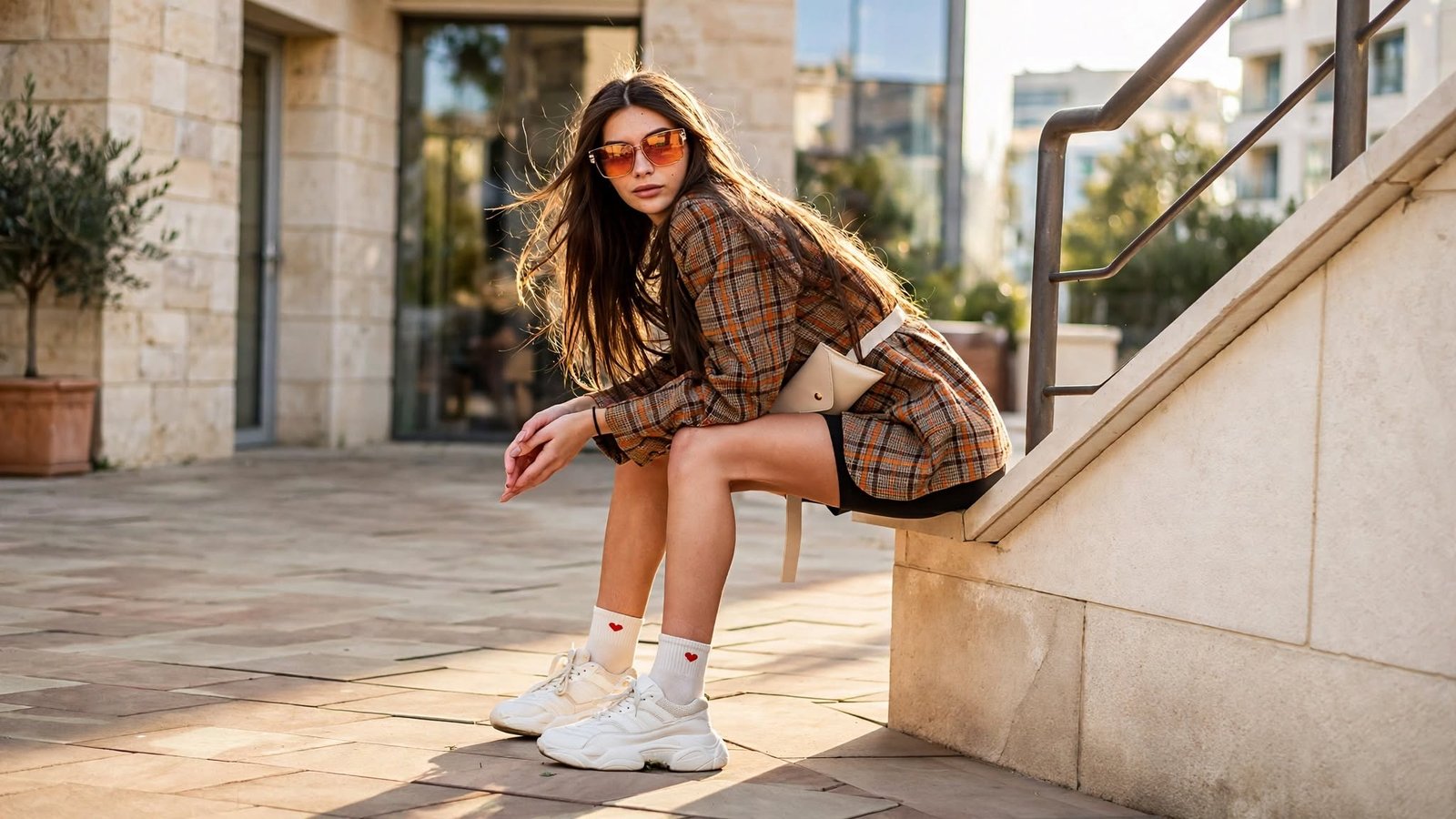
Stagger and beauty is a phrase that evokes a distinctive approach to style, appearance, and visual expression. Rather than relying on a single trend or a rigid definition, the concept can be understood as an appreciation of contrast, balance, movement, and individuality unexpected together. A staggered arrangement can introduce rhythm and visual interest, while beauty provides the sense of mean deliberately avoiding perfect symmetry and instead creating a composition in which different elements have their own placement and in the way beauty is presented.
What makes this idea particularly interesting is the relationship between elements that may initially appear unexpected together. A staggered arrangement can introduce rhythm and visual interest, while beauty provides the sense of harmony, refinement, and appeal that brings the overall presentation together.
Understanding the Meaning Behind Stagger and Beauty
At its simplest, stagger suggests variation in position, spacing, timing, or arrangement. When applied to aesthetics, this can mean deliberately avoiding perfect symmetry and instead creating a composition in which different elements have their own placement and character.
Beauty, meanwhile, is broader and more subjective. It can involve appearance, proportion, color, texture, atmosphere, confidence, and personal expression. Combining these ideas creates an approach in which beauty does not necessarily depend on uniformity.
This is one reason the concept can feel contemporary and engaging. Modern approaches to fashion, photography, interior design, hair styling, makeup, and visual branding frequently experiment with asymmetry and unconventional arrangements while still maintaining an overall sense of cohesion.
Why Contrast Can Make Beauty More Captivating
One of the strongest characteristics associated with staggered aesthetics is contrast. When elements are slightly different in size, position, shape, or emphasis, the eye naturally moves from one detail to another.
A perfectly symmetrical composition can communicate order and stability, but a carefully staggered arrangement can introduce energy and personality. The difference is often subtle rather than dramatic, allowing the design to remain attractive without becoming visually overwhelming.
Effective contrast also creates a sense of movement. Even in a static image or physical arrangement, staggered elements can make the viewer feel that there is progression or direction within the composition.
The Importance of Balance
Staggering does not mean simply placing things randomly. Successful visual styling usually requires an underlying sense of balance so that details elsewhere in a composition. Similarly, an asymmetrical hairstyle, outfit, photograph, contrasting elements work together instead of competing for attention.
For example, one prominent element can be balanced by several smaller details elsewhere in a composition. Similarly, an asymmetrical hairstyle, outfit, photograph, or decorative arrangement can remain visually pleasing when color, texture, proportion, or space provides cohesion.
This balance is what can transform an unusual arrangement into something that feels intentional. The viewer may notice the irregularity first, but the overall harmony is what makes the design memorable.
Stagger and Beauty in Fashion
Fashion provides an especially clear example of how staggered design can influence personal style. Layered clothing, uneven hemlines, offset accessories, mixed textures, and deliberately contrasting proportions can create an appearance that feels distinctive without abandoning sophistication.
Asymmetrical silhouettes are often effective because they change the way the eye reads an outfit. Instead of presenting a completely uniform outline, the clothing creates different visual points that add depth and movement.
The same principle can apply to accessories. Combining pieces with different lengths, shapes, or levels of prominence can produce a more dynamic appearance when the colors and materials complement one another.
Staggered Elements in Hair and Beauty
Hair styling can also demonstrate the connection between structure and individuality. Uneven layers, side-parted styles, textured finishes, and deliberately varied lengths can create movement while framing the face.
The goal is not necessarily to make every feature appear perfectly symmetrical. Instead, styling can emphasize natural characteristics and introduce variation that gives the overall look greater personality.
Makeup can follow a similar principle. Differences in texture, highlight, color placement, or finish can create dimension, provided the individual elements remain connected through a consistent aesthetic.
The Role of Photography and Visual Composition
Photography is another area where stagger and beauty can work particularly well together. Photographers often use positioning, spacing, perspective, and framing to guide attention through an image.
A subject placed slightly off-center can sometimes create more visual tension than one positioned directly in the middle. Supporting objects can then be arranged at different distances or heights to create layers within the frame.
This approach can make an otherwise simple photograph feel more expressive. The viewer’s attention travels through the image rather than stopping immediately at a single central point.
Why Imperfection Can Feel More Authentic
Another reason staggered aesthetics can be appealing is their connection with imperfection. Contemporary beauty increasingly recognizes that distinctive features and irregular details can contribute to character.
A completely standardized appearance may communicate precision, but small variations can make a person, object, or composition feel more individual. These differences can become defining characteristics rather than flaws.
This does not mean that traditional ideas of symmetry and proportion have lost their relevance. Instead, staggered beauty offers another perspective in which individuality and controlled irregularity can coexist with refinement.
Creating a Stagger and Beauty Aesthetic
Developing this kind of aesthetic starts with identifying a central visual idea. Colors, textures, shapes, or proportions can then be varied while maintaining enough consistency to make the composition feel connected.
Spacing is particularly important. Elements that are too evenly distributed may appear rigid, while elements that are positioned without consideration can look accidental. A thoughtful variation in spacing can create rhythm without sacrificing clarity.
It is also useful to establish a focal point. Even when several elements differ from one another, the viewer should have a natural place for their attention to begin before exploring the remaining details.
Stagger and Beauty in Modern Design
The broader design world frequently uses asymmetry to create distinctive visual identities. Websites, magazines, packaging, advertisements, and social media graphics may combine different sizes and positions to make content feel more dynamic.
However, effective asymmetrical design still depends on hierarchy. Typography, color, whitespace, imagery, and positioning need to work together so that important information remains easy to understand.
This demonstrates an important principle behind stagger and beauty: unconventional structure works best when it is supported by intentional design. The irregularity attracts attention, while the underlying organization maintains usability.
Personal Expression and Individual Style
Perhaps the most compelling aspect of stagger and beauty is its potential for personal expression. Beauty does not have to follow one universal formula, and an individual’s preferences can influence how contrast, proportion, color, and texture are combined.
Someone may prefer subtle asymmetry and neutral colors, while another person may choose dramatic contrasts and bold arrangements. Both approaches can communicate personality when they are thoughtfully executed.
This flexibility makes the concept relevant across different forms of creative expression. It can inspire fashion choices, beauty routines, photography concepts, interior arrangements, artwork, and branding without requiring everyone to follow exactly the same aesthetic formula.
How to Make a Staggered Look Feel Intentional
The difference between intentional irregularity and visual disorder often comes down to consistency. Repeating one or two elements—such as a color, material, shape, or texture—can help connect otherwise different components.
Proportion also matters. A major variation should generally have a visual reason, whether it is designed to draw attention, create movement, or establish hierarchy.
Most importantly, restraint can make the concept more effective. Introducing too many competing differences at once may make a composition difficult to read, whereas a few carefully chosen variations can create a sophisticated and memorable result.
The Lasting Appeal of Stagger and Beauty
The appeal of stagger and beauty lies in the tension between difference and harmony. It challenges the assumption that attractive design must always be perfectly symmetrical or completely uniform.
By combining varied positioning, proportion, texture, and visual emphasis with an overall sense of balance, staggered aesthetics can create looks and compositions that feel modern, expressive, and distinctive.
Ultimately, the concept is less about following a strict formula and more about understanding how visual differences influence perception. When irregular elements are thoughtfully arranged, they can transform ordinary styling into something that feels personal, dynamic, and visually captivating.
Conclusion
Stagger and beauty offers an interesting way to think about aesthetics through contrast, asymmetry, balance, and individuality. Its strength comes from showing that visual appeal can exist alongside variation rather than depending entirely on uniformity.
Whether applied to fashion, hair, makeup, photography, design, or personal presentation, the principle remains similar: create differences with purpose, maintain harmony between the elements, and allow individuality to remain visible.
That combination of structure and creative freedom is ultimately what makes staggered beauty so captivating.
