

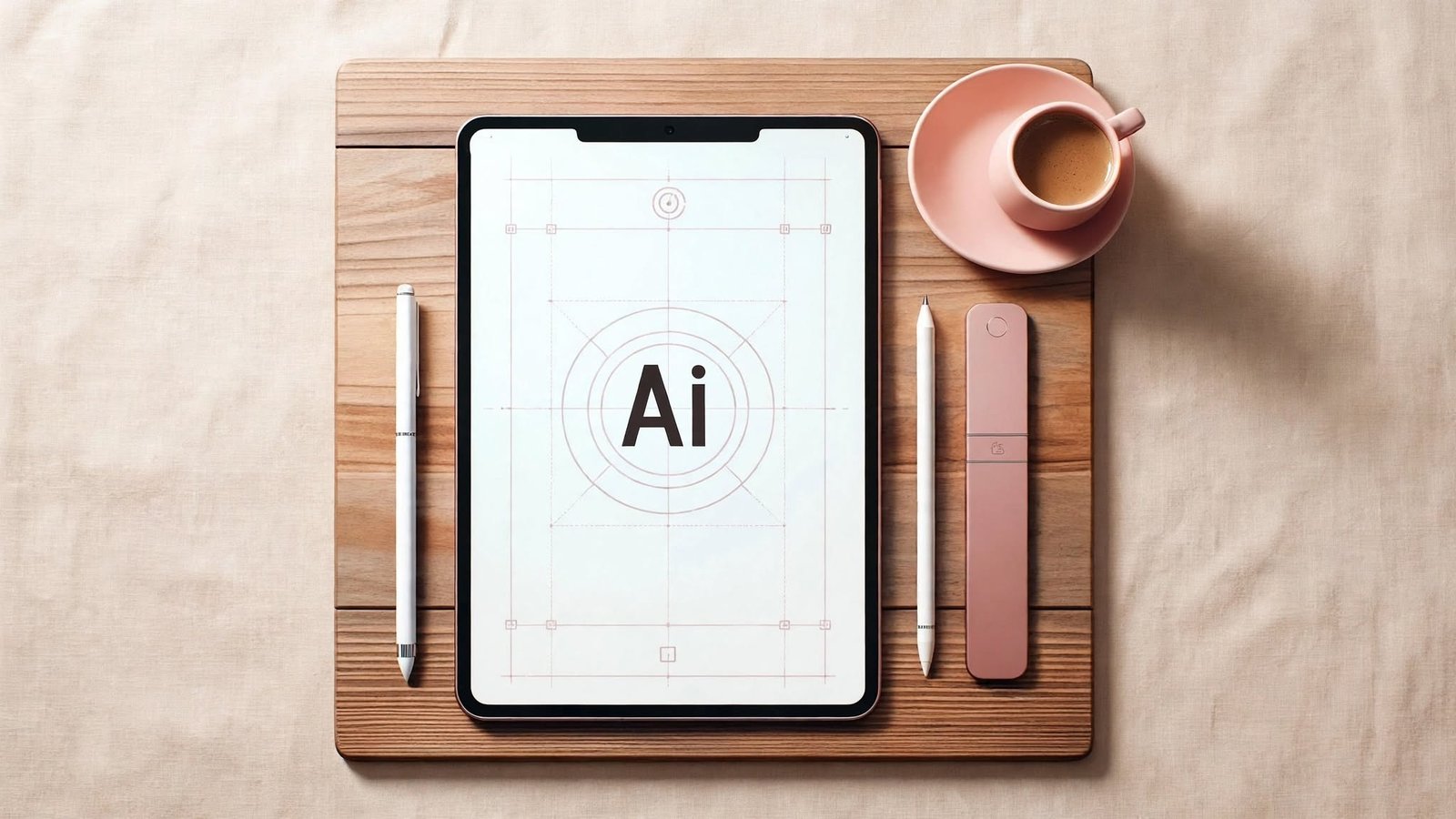
NoteAI represents a smarter approach to taking, organizing, and managing notes with the help of artificial intelligence. Instead of relying entirely on manual typing or handwritten notes, AI-powered note-taking tools can capture important information, summarize lengthy discussions, organize ideas, and turn scattered thoughts into clear, useful content. These capabilities are changing how people manage information, especially in workplaces where meetings, messages, documents, and daily tasks compete for attention.
The main advantage of NoteAI is that it helps people spend less time recording information and more time understanding and using it. Whether someone is attending a business meeting, studying for an exam, planning a project, or conducting research, AI-assisted note-taking can make information easier to review and act upon. Rather than replacing human thinking, it supports the process by handling repetitive tasks and helping users focus on decisions, creativity, and problem-solving.
Why AI-Powered Note-Taking Is Becoming More Popular
Modern work involves processing large amounts of information throughout the day. Employees attend virtual meetings, exchange messages, review reports, and collaborate with colleagues across different locations. Trying to remember every important detail can be difficult, and traditional note-taking often forces people to choose between listening carefully and writing everything down. AI-powered note-taking addresses this challenge by helping capture and organize information without requiring users to document every detail manually.
Another reason for its growing popularity is the demand for greater productivity without longer working hours. When notes are automatically summarized and organized, people can revisit important information more quickly and spend less time searching through lengthy documents. Students can review complex lessons, professionals can identify meeting decisions, and teams can maintain clearer records of their work. As these tools become easier to use, AI-assisted note-taking is becoming a practical option for people who want to manage their time and information more effectively.
How NoteAI Works in Everyday Situations
AI-powered note-taking tools generally combine speech recognition, natural language processing, and automated text organization to transform raw information into readable notes. Depending on the tool, users may be able to record conversations, upload audio files, paste written content, or type their own ideas. The system then processes the available information and produces a transcript, summary, structured outline, or other useful format. Some platforms also identify key topics, highlight decisions, and extract potential action items from conversations.
For example, imagine attending a 45-minute project meeting involving several team members, multiple deadlines, and a range of suggestions. Instead of reviewing the entire conversation afterward, you could use an AI note-taking tool to generate a concise summary of the main discussion points, decisions, responsibilities, and outstanding questions. You would still need to verify important details, but the initial review could become considerably faster. This makes the technology particularly valuable when information needs to be shared with colleagues or revisited several days later.
The Biggest Benefits of Using NoteAI at Work
One of the most significant benefits of NoteAI is the time it can save during information-heavy tasks. Writing detailed notes, arranging them into categories, and creating summaries can consume a substantial portion of the working day. AI assistance can reduce this administrative effort by preparing an initial version that users can review and refine. The time saved may then be redirected toward more meaningful activities, such as developing strategies, communicating with customers, solving technical problems, or completing important projects.
Improved organization is another important advantage. Notes are often spread across notebooks, documents, emails, messaging applications, and personal task lists, making it difficult to locate specific information when it is needed. AI-powered tools make it easier to organize information by creating clear summaries, grouping similar topics, and helping users find specific details quickly. When supported by appropriate search or retrieval features, this can help users find previous decisions, recall project details, and connect ideas that might otherwise remain buried in old records.
AI note-taking can also improve the quality of collaboration. Team members do not always remember conversations in the same way, particularly when meetings cover complicated topics or involve several departments. Clear notes provide a shared reference point for decisions, responsibilities, deadlines, and unresolved issues. When reviewed and approved by participants, these records can reduce misunderstandings and help everyone work toward the same objectives.
How NoteAI Improves Meetings and Team Collaboration
Meetings are a major area where AI-powered note-taking can make a noticeable difference. Employees often struggle to participate fully while simultaneously writing down every important statement. When a suitable tool captures and summarizes the discussion, participants may be able to focus more closely on the conversation, ask better questions, and contribute ideas instead of concentrating on transcription. Meeting notes can then provide a practical record of what was discussed and what needs to happen next.
For managers and project teams, the real value lies in connecting conversations with follow-up actions. A useful meeting summary should distinguish between a suggestion, an agreed decision, and a task assigned to a specific person. Some AI tools can help identify these elements, although their accuracy varies depending on the audio quality, meeting structure, and clarity of the conversation. Team members should review the final notes before relying on them for deadlines, contractual commitments, or other important decisions.
Remote and hybrid teams can benefit as well. When colleagues work in different time zones or cannot attend every meeting, written summaries help them understand developments without requiring everyone to join another call. A consistent note-taking process can also make project handovers easier, particularly when responsibilities change or new employees join an ongoing assignment. Over time, well-maintained meeting records can become a valuable source of organizational knowledge rather than a collection of documents that nobody revisits.
NoteAI for Students, Researchers, and Lifelong Learners
AI-powered note-taking is not limited to corporate environments. Students can use these tools to organize lecture notes, summarize study materials, and identify the main concepts in complicated subjects. Instead of reviewing pages of unstructured text, they may be able to work with topic-based summaries and clearer outlines. This can make revision more manageable, especially when preparing for examinations or studying several subjects at once.
Researchers and lifelong learners can also use AI assistance to manage large amounts of information. While reviewing articles, attending seminars, or collecting interview material, they may need to identify recurring themes and preserve important observations. AI-generated summaries can provide a starting point for this process, helping users navigate their materials more efficiently. However, summaries should never replace careful reading when exact wording, detailed evidence, or the original context matters.
The most effective approach is to treat AI-generated notes as a learning aid rather than a substitute for active thinking. Students benefit from explaining concepts in their own words, testing their understanding, and checking whether a summary accurately represents the original material. Researchers should similarly verify quotations, statistics, and interpretations before including them in academic or professional work. Used thoughtfully, NoteAI can support deeper engagement with information instead of encouraging passive dependence on automated summaries.
NoteAI and the Future of Personal Productivity
Personal productivity depends on more than completing tasks quickly. It also involves remembering commitments, organizing ideas, prioritizing responsibilities, and making good decisions with the information available. AI-powered note-taking can support these activities by turning unstructured information into more useful formats. A quick voice note might become a written outline, a brainstorming session could be organized into themes, and a long discussion could be converted into a list of points that require further attention.
Some advanced tools also connect notes with calendars, task managers, document platforms, or searchable knowledge bases. These integrations can help users move from recording information to taking action without repeatedly copying details between applications. For example, a project discussion might produce a summary that can be reviewed alongside a task list, making it easier to track outstanding work. The exact capabilities depend on the platform, and users should check which integrations are supported before choosing a solution.
Nevertheless, better technology does not automatically guarantee better productivity. An AI tool can generate a detailed summary that looks polished but still misses a critical exception or misunderstands the speaker’s intention. Users must decide which information deserves attention, confirm the accuracy of important details, and avoid creating unnecessary records that add to their workload. The best results come when AI handles routine organization while people remain responsible for judgment and priorities.
Important Features to Look for in a NoteAI Tool
Choosing an AI note-taking tool requires more than comparing the number of features advertised on a product page. The right solution should match the user’s daily activities, preferred devices, budget, and privacy requirements. Someone who mainly attends online meetings may need reliable transcription and speaker identification, while a student might prioritize lecture summaries, searchable notes, and support for different file formats. A researcher working with interviews may care more about transcription accuracy, timestamps, and the ability to export or review original recordings.
Ease of use is equally important. A tool should make it simple to capture information, locate previous notes, edit summaries, and share approved records with the right people. Search functionality, organizational folders, tagging, export options, and integrations can make a substantial difference when the volume of notes increases. Before committing to a paid subscription, users should test the tool with realistic examples and determine whether its output actually saves time.
Privacy and security deserve particular attention, especially in professional environments. Before recording a meeting or uploading a document, users should understand where the information is stored, who can access it, how long it is retained, and whether it may be used to improve AI models. Organizations should also consider consent requirements, internal recording policies, and applicable data protection rules. A convenient note-taking experience is only worthwhile when it is compatible with the confidentiality obligations surrounding the information being processed.
Common Challenges and Limitations of AI Note-Taking
Although AI-powered note-taking offers useful capabilities, it is not perfectly reliable. Speech recognition can struggle with background noise, overlapping conversations, unfamiliar names, technical terminology, and strong accents. Even when a transcript is mostly accurate, an automated summary may omit an important qualification or present an uncertain suggestion as an agreed decision. These errors can create confusion if people treat generated notes as an unquestionable record of what happened.
Another challenge is the loss of context. Human conversations often include humor, hesitation, disagreement, and subtle distinctions that are difficult for automated systems to interpret correctly. A short summary may capture the main topic while missing the reason behind a decision or the concerns raised by a particular participant. For this reason, high-stakes discussions should be reviewed carefully, and original recordings or source documents should be retained when appropriate and permitted.
There is also a risk of becoming overly dependent on automated summaries. When people stop engaging with the original material, they may overlook important details or fail to develop a strong understanding of the subject. A better approach is to use AI for the first stage of organization and then review the information according to its importance. Routine updates may require only a quick check, whereas legal, financial, medical, academic, or contractual information may demand much more careful verification.
How to Use NoteAI Effectively in Your Daily Routine
Getting useful results from AI-powered note-taking begins with a clear purpose. Before recording a meeting or uploading a document, consider what you need to remember and how you intend to use the information later. If the goal is to prepare meeting minutes, focus on decisions, assigned responsibilities, deadlines, and unresolved questions. If you are studying a subject, ask for a structured explanation of the main concepts, supporting examples, and areas that require further review.
The quality of the input also matters. Clear audio, a suitable microphone, minimal background noise, and well-organized source documents can improve the results produced by many AI tools. Providing context, such as a project name, technical vocabulary, or a list of participants, may help some platforms interpret the material more accurately. After generating the notes, review names, numbers, dates, commitments, and other details that could cause problems if recorded incorrectly.
Consistency can make the process even more valuable. Rather than creating notes in a different format every time, develop a simple structure that suits your needs. For work meetings, this might include the purpose of the discussion, key points, decisions, action items, and follow-up dates. For personal planning, it could involve ideas, priorities, and next steps. A predictable structure makes notes easier to scan, compare, and reuse, while periodic cleanup prevents outdated information from cluttering your workspace.
Is NoteAI Better Than Traditional Note-Taking?
Whether AI-powered note-taking is better than traditional note-taking depends on the task. Manual notes are often excellent for capturing personal insights, drawing diagrams, highlighting information selectively, and processing ideas while listening. Writing by hand or typing in your own words can encourage active engagement, which is particularly useful when learning unfamiliar material. Traditional methods also offer greater control over what gets recorded and do not necessarily require an internet connection, a subscription, or access to an AI platform.
AI-assisted note-taking, on the other hand, can be especially useful when information is lengthy, conversations move quickly, or a detailed record is needed. Automated transcription and summarization reduce the burden of documenting everything manually, while search and organizational features can make large collections of notes easier to manage. These advantages are particularly relevant for recurring meetings, interviews, lectures, and projects involving multiple contributors.
For many people, a hybrid approach provides the greatest value. AI can capture the broad discussion and create an initial summary, while the user adds personal observations, corrects mistakes, and highlights the details that matter most. This combines the efficiency of automation with the understanding and judgment that human note-taking provides. Instead of viewing the two methods as competitors, it is more useful to choose the right balance for each situation.
How to Measure the Impact of NoteAI on Your Work
The value of an AI note-taking tool should be measured by its practical results rather than by the number of features it offers. One useful starting point is to compare how long it takes to prepare, organize, and review notes before and after introducing the tool. If the technology saves time during meetings but creates additional work through frequent corrections, its overall benefit may be smaller than expected. Measuring the entire process gives a more realistic picture of its usefulness.
Accuracy and follow-through are equally important indicators. Consider whether meeting summaries consistently capture the right decisions, whether team members can locate information more quickly, and whether fewer tasks are forgotten after discussions. Students might evaluate whether their notes support effective revision, while researchers could examine how easily they retrieve relevant observations. These outcomes help distinguish genuine productivity improvements from the appearance of efficiency created by automated content.
It is also worth reviewing the quality of collaboration and the reliability of the information being stored. Clearer records may reduce repeated questions, simplify handovers, and help teams understand why certain decisions were made. However, improvements should not be assumed simply because a new tool has been introduced. Regular feedback from users and occasional reviews of generated notes can reveal whether the technology is meeting expectations and where the process needs adjustment.
The Future of NoteAI and Intelligent Information Management
AI-powered note-taking is likely to become increasingly connected with the other tools people use to manage their work. As these systems develop, users may find it easier to search across meeting records, documents, personal notes, and project discussions from a single interface. Better contextual search could help people locate not only a particular phrase but also the discussion or decision associated with a specific project. The practical value of these developments will depend on the quality of the underlying information and the reliability of the systems handling it.
Another important direction is the movement from simple summaries toward more useful workflows. Instead of merely recording what happened, future tools may offer stronger support for organizing follow-up tasks, tracking unresolved questions, identifying recurring themes, and preparing information for different audiences. Such capabilities could reduce the distance between gathering information and acting on it. Even so, automated recommendations and extracted tasks will need human review, particularly when responsibilities, deadlines, or business commitments are involved.
Trust will remain central to this progress. Users and organizations will expect greater transparency about how information is processed, stronger privacy controls, and clear ways to correct errors. Tools that combine useful automation with reliable data handling and understandable controls are more likely to earn lasting adoption. Ultimately, the future of NoteAI will depend not simply on how much information AI can process, but on how effectively it helps people understand, remember, and apply that information.
Conclusion: Why NoteAI Matters in the Modern Workplace
NoteAI reflects a broader shift in how people capture and manage information in an increasingly digital working environment. By helping users transcribe conversations, summarize documents, organize ideas, and identify important next steps, AI-powered note-taking can reduce routine administrative work and make information easier to access. Its benefits extend beyond businesses to students, researchers, freelancers, and anyone who regularly needs to process large amounts of information.
However, successful adoption requires more than selecting a tool and switching on its automated features. Users need to verify important details, protect sensitive information, maintain organized records, and decide when human judgment is essential. AI-generated notes should be treated as useful working documents rather than infallible records, especially when accuracy and context have serious consequences.
When used thoughtfully, NoteAI can become a practical part of a more organized and productive workflow. It allows people to spend less time managing raw information and more time putting that information to work. The real transformation is not simply that notes can be created faster, but that well-organized knowledge becomes easier to understand, share, and turn into meaningful action.
